
The liver silently performs hundreds of biological reactions every day, but signs of deterioration often appear very late. This gap between silent function and visible manifestations creates a health mystery that leads many to overlook the importance of early intervention.
Milk thistle has emerged as a noteworthy piece in the modern liver care landscape. Its active ingredient, silymarin, raises questions about its potential to support liver cell regeneration under prolonged metabolic stress.
Could a traditional herb impact liver damage at a biological level? The answer lies in how science deciphers this connection.
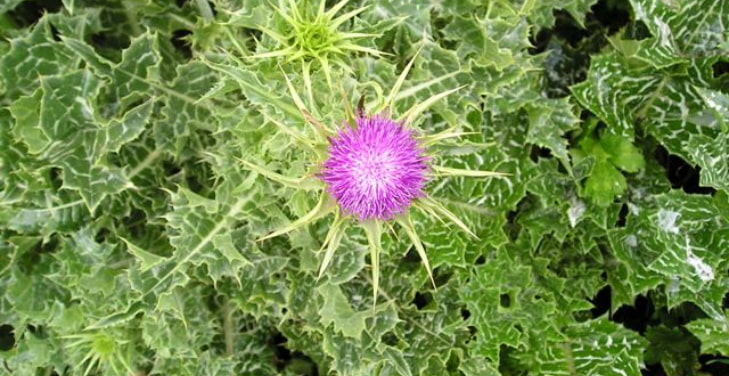
Does milk thistle help with liver damage?
What Is Milk Thistle and Silymarin?
Milk thistle is a highly valued herb in functional nutrition, particularly for liver health. From a scientific perspective, this plant is used to support liver function when the body is under pressure from environmental toxins, metabolic disorders, and prolonged oxidative stress. The biological focus of milk thistle is silymarin, the compound that largely determines its physiological effects.
Botanical Origin
Milk thistle originates from the Mediterranean region, where the hot, dry climate promotes the accumulation of bioactive compounds in the seeds. The seeds are harvested and extracted for use in liver support products.
What Is Silymarin?
Silymarin is a naturally occurring flavonolignan complex, primarily concentrated in milk thistle seeds. This compound exhibits strong biological activity at the level of liver cells and related enzyme systems.
How It Works in the Body
Silymarin supports the structure of liver cell membranes, activates endogenous antioxidant mechanisms, and promotes sustainable liver tissue regeneration.
Understanding Liver Damage
Liver damage reflects the prolonged overload of a central organ in metabolism and detoxification. The liver processes toxins, synthesizes proteins, regulates lipids, and stores micronutrients, so any dysfunction has ripple effects throughout the body. As biological stress builds, liver cell structure changes, and performance declines over time.
Causes and Metabolic Stress
Liver damage arises from multiple sources, including alcohol consumption, diets high in refined fats, chemical exposure, and prolonged medication use. These factors increase the metabolic burden, promote inflammatory responses, and facilitate the progression of liver cell damage.
Oxidative Stress and Regeneration
Oxidative stress increases when free radicals exceed the liver's endogenous control capacity. This process directly affects cell membranes and mitochondria. At the same time, the liver activates its natural regeneration mechanisms to maintain liver tissue mass and function in a balanced state.
Does Milk Thistle Help Liver Damage?
Milk thistle is considered a liver support option based on clear biological evidence. In the context of liver stress from toxins and metabolic disorders, the main active ingredient in milk thistle supports cellular function. This approach focuses on protecting liver structure and promoting natural physiological adaptation.
Cellular Protection
Silymarin binds to liver cell membranes, strengthening the protective barrier and maintaining the liver's structural integrity. This mechanism helps liver cells function stably in the face of common damaging agents.
Antioxidant Activity
The active ingredient in milk thistle activates the endogenous antioxidant system. This process helps control free radicals and reduce oxidative stress buildup in liver tissue.
Anti-Inflammatory Support
Milk thistle acts on inflammatory signaling pathways, thereby regulating the immune response in the liver. The microenvironment becomes more favorable for cellular function.
Cellular Repair Processes
Silymarin supports protein synthesis and promotes liver tissue regeneration. This mechanism helps the liver maintain its regenerative capacity over time.
Scientific Evidence and Research Findings
Scientific research on milk thistle focuses on how silymarin interacts with the liver in various injury contexts. Clinical and observational data show that this active ingredient produces consistent biological effects, especially when the liver is under prolonged stress from lifestyle and environmental factors. Modern scientific approaches help clarify the supportive role of milk thistle based on specific cellular mechanisms.
Human and Clinical Studies
Studies in humans have shown improvements in liver function markers with the use of standardized silymarin. This active ingredient supports liver enzyme balance and maintains stable liver cell structure.
Alcohol-Related Liver Stress
In the context of liver damage from alcohol, silymarin shows the ability to reduce oxidative stress and support the adaptive response of liver cells to metabolic burden.
Fatty Liver and Toxin Exposure
Studies on fatty liver disease and toxin exposure show that milk thistle can improve the intrahepatic metabolic environment and support liver tissue regeneration over time.
Limitations and Realistic Expectations
Milk thistle offers clear liver-supporting value when placed in the context of appropriate science and nutrition. The effectiveness of this herb reflects the complex interplay between individual biology, lifestyle, and the level of existing liver damage. Understanding the role of milk thistle correctly helps set realistic, sustainable expectations for long-term liver health.
Supportive Role, Not a Cure
Milk thistle acts as a physiological support factor, focusing on cell protection and optimizing the intrahepatic environment. This herb is most effective when combined with proper nutrition, toxin control, and healthy lifestyle habits.
Individual Response and Time Frame
The body's response to milk thistle depends on liver condition, absorption capacity, and consistency of use. The biological effects accumulate over time, reflecting the liver's natural adaptation and recovery process under appropriate nutritional support.
How to Use Milk Thistle for Liver Support
Effective use of milk thistle requires a clear understanding of dosage, the form of the extract, and the body's absorption of the active ingredient. When applied correctly, milk thistle becomes part of a long-term nutritional strategy to support liver health, alongside an active lifestyle and metabolic control.
Recommended Dosage Ranges
Milk thistle is typically used with standardized silymarin doses within the common range recommended by nutritional guidelines. Consistent dosage helps maintain appropriate levels of the active ingredient in the body.
Standardized Extracts
Standardized milk thistle extracts ensure consistent silymarin content. This factor determines the bioavailability and effectiveness of liver support over time.
Absorption Considerations
Silymarin is better absorbed when taken with a meal containing healthy fats. This method optimizes the bioavailability of the active ingredient.
Timing and Consistency
Regular use of milk thistle allows the liver to adapt physiologically. Consistency plays a central role in supporting and restoring liver function.
Safety, Side Effects, and Interactions
Safety is always central to incorporating milk thistle into liver care strategies. From a clinical nutrition perspective, this herb is highly valued for its tolerability and bioavailability when used at the correct dosage. Understanding the body's response and its relationship with medications helps optimize long-term benefits.
Common Side Effects
Milk thistle can cause mild gastrointestinal reactions in the early stages of use. Feelings of fullness or slight changes in bowel movements reflect natural physiological adaptation.
Medication Interactions
Silymarin modulates hepatic enzyme activity involved in drug metabolism. This interaction alters the pharmacokinetics of some drugs when used concurrently.
Who Should Seek Professional Advice
Individuals undergoing medical treatment, pregnant women, or breastfeeding mothers should consult a healthcare professional. Professional advice ensures safety and personalized suitability.
Who May Benefit Most
Milk thistle is suitable for many groups interested in proactive, long-term liver health. The value of this herb is evident when the liver is constantly adapting to the pressures of modern lifestyles, the environment, and diet. Identifying the right target group helps optimize support effectiveness and build a personalized care strategy.
Lifestyle-Related Liver Stress
Those who frequently consume alcohol, processed foods, or experience prolonged stress benefit from milk thistle's ability to support metabolic balance. The active ingredient silymarin helps the liver maintain its physiological adaptability to daily stress.
Long-Term Wellness Focus
Those pursuing long-term health and preventative care appreciate milk thistle as part of their nutritional routine. Regular use helps maintain stable, sustainable liver function.
Conclusion
Milk thistle supports liver health, as supported by clear biological and scientific evidence. The active ingredient, silymarin, helps protect liver cells, regulate oxidative stress, and promote natural recovery over time.
The effectiveness of milk thistle is maximized when combined with an active lifestyle, proper nutrition, and consistent use. This approach provides a solid foundation for long-term liver health.
To broaden your perspective on metabolism, continue exploring how milk thistle manages diabetes.
Frequently Asked Questions (FAQs)
-
Does milk thistle help with liver damage?
Milk thistle supports liver health through silymarin, which protects cells, reduces oxidative stress, and encourages tissue repair. Consistent use combined with healthy lifestyle choices enhances its effectiveness. -
How does silymarin work in the liver?
Silymarin strengthens liver cell membranes and activates internal antioxidant systems. This helps preserve metabolic stability and supports the liver’s natural regeneration processes. -
Is milk thistle suitable for fatty liver disease?
Milk thistle contributes to balanced lipid metabolism and a healthier liver environment. Regular use supports liver function, particularly in cases of lifestyle-related fatty liver conditions. -
How long does it take to see effects from milk thistle?
Benefits tend to appear gradually. Many people experience improvements after a few weeks to several months as liver function adapts and recovers naturally. -
Is milk thistle suitable for long-term use?
When used at the correct dosage and with standardized extracts, milk thistle is suitable for long-term supplementation and provides ongoing liver support.
