
Thick, shiny hair brings a noticeable boost of confidence in every moment of life. Many people turn to biotin as a key nutrient to nourish hair from the roots, strengthen keratin structure, and maintain a stable growth cycle.
Biotin participates in energy metabolism, supporting the function and sustainability of hair follicle cells. When the body receives sufficient micronutrients, hair reflects inner vitality, creating a feeling of health and energy every day.
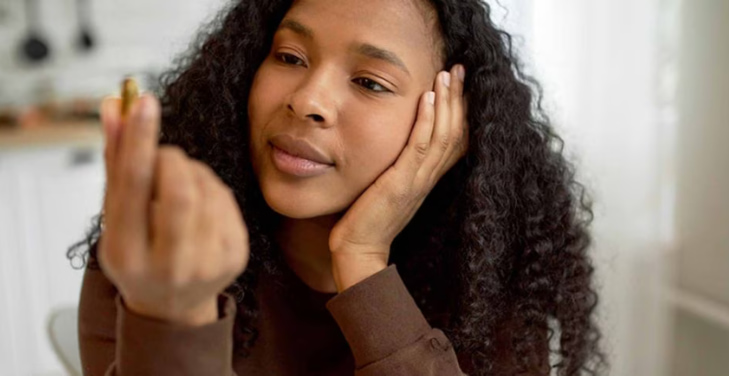
Biotin supports hair structure, growth cycles, and nutrient metabolism to strengthen and thicken strands.
What Is Biotin and Why Does It Matter for Hair
Biotin plays a central role in the nutritional foundation for strong, thick hair. This nutrient directly participates in the formation of hair structure, activates energy metabolism, and nourishes hair follicles from within. When the body receives enough biotin, the hair growth cycle operates smoothly, and hair maintains noticeable strength and shine.
Biotin as a B Vitamin
Biotin is a water-soluble B vitamin that participates in a series of important enzyme reactions. This nutrient supports the metabolism of carbohydrates, fats, and proteins to produce energy that nourishes hair cells. Stable metabolic activity helps hair follicles maintain a steady growth rate.
Keratin Support and Hair Structure
Biotin promotes the synthesis of keratin, the core component of the hair shaft. Strong keratin helps hair maintain elasticity, reduces breakage, and increases natural thickness. Hair follicles receiving sufficient nutrients create a foundation for healthy and shiny hair growth.
Nutrition–Hair Connection
Nutritional status is directly reflected in hair. Efficient biotin absorption helps maintain a healthy scalp, good circulation, and a stable hair follicle environment. Hair clearly shows vitality when it has an abundant supply of micronutrients.
How Hair Growth Actually Works
Hair growth follows a precise biological cycle, where each hair follicle acts as a micro-production unit. Cells at the hair root divide continuously, propelling the hair strand longer each day. Blood flow delivers nutrients and oxygen to nourish the hair follicle, maintaining a stable growth rate and creating the foundation for thick hair density.
Hair Growth Cycle Phases
The hair cycle consists of three main phases: anagen, catagen, and telogen. The anagen phase promotes rapid hair growth and lasts for many years. Catagen regulates biological transitions within the hair follicle. Telogen prepares for the natural hair replacement process, ensuring continuous hair regeneration.
Nutrient Demands During Growth
Hair cells need protein, B vitamins, iron, and zinc to maintain a high rate of division. Abundant nutrients help make the hair shaft thicker, stronger, and shinier. Hair follicles receive a stable energy supply, ensuring continuous hair growth.
Factors Influencing Hair Thickness and Shedding
Genetics, hormones, blood circulation, and stress directly affect hair thickness. A healthy scalp environment, sufficient sleep, and balanced nutrition promote strong hair growth and maintain a consistent growth cycle.
Does Biotin Help Hair Growth? What Research Shows
Scientific research positions biotin as a crucial component of the biological system of hair follicles and the keratin structure. This nutrient supports energy metabolism in hair stem cells, promotes protein synthesis, and maintains a stable growth rhythm. When the body receives sufficient biotin, the hair follicle environment is more favorable for thicker, healthier hair.
Evidence in Deficiency Cases
Clinical reports note significant improvements in hair thickness and strength when individuals take biotin supplements at the correct dosage. Hair follicles receiving sufficient micronutrients prolong the anagen cycle, increase hair growth rate, and improve hair density.
Clinical Study Insights
Several intervention studies have shown that biotin improves hair quality and shaft strength. Data show that combining biotin with other micronutrients, such as zinc, iron, and protein, has a significant effect on hair health.
Realistic Growth Expectations
Biotin supports the biological foundation for healthy and strong hair growth. The effects are evident in the hair's thickness, shine, and vitality after regular supplementation.
Signs You May Be Low in Biotin
The body shows signs of biotin deficiency through several noticeable effects on hair, skin, and daily energy levels. This micronutrient is involved in cell metabolism and maintains keratin structure, so when biotin levels decrease, hair and scalp quality change rapidly. Early identification of these signs helps adjust nutrition and support an effective hair growth cycle.
Common Deficiency Symptoms
Thin, brittle hair with reduced shine reflects decreased biotin levels. The scalp becomes dry, easily irritated, and dandruff appears. Thin and weak nails indicate unstable keratin synthesis. The body feels lower energy levels during daily activities.
Higher-Risk Groups
Pregnant women, those on protein-restricted diets, those with malabsorption disorders, and those using certain metabolic medications have higher biotin requirements. These groups often need to monitor their micronutrient status to maintain healthy hair and skin.
When Evaluation Helps
Nutritional evaluation and micronutrient testing help determine current biotin levels. Clear results support the development of appropriate diets and supplements that promote thicker, stronger hair.
Benefits of Biotin Beyond Hair
Biotin has a profound impact on many biological systems and is essential to overall health. This micronutrient participates in energy metabolism, strengthens cell structure, and supports nerve function. When biotin levels are stable, the body maintains a strong circadian rhythm, the skin is radiant, and the nervous system is flexible.
Skin and Nail Support
Biotin promotes keratin synthesis and maintains a healthy epidermal structure. The skin retains moisture well, has a smooth surface, and an even tone. Nails are thicker, stronger, and grow faster when biotin is abundant.
Energy Metabolism
Biotin supports enzymes that metabolize carbohydrates, fats, and proteins into energy. Cells receive a continuous energy supply, helping the body maintain stamina throughout the day. Physical and mental activity flows smoothly when metabolism operates efficiently.
Nervous System Function
Biotin contributes to neurotransmission and protects nerve cells. A well-functioning nervous system improves concentration, reflexes, and a positive mental state.
How Much Biotin for Hair Growth Support
The right biotin dose forms the foundation for a healthy hair cycle and strong keratin structure. The body uses biotin in energy metabolism and protein synthesis, so daily intake directly affects hair quality. Determining the right supplement level optimizes effectiveness and maintains thick, strong hair.
Recommended Daily Intake
The recommended daily intake for adults is usually around 30 micrograms. This amount supports basic physiological needs and maintains hair follicle function. A balanced diet rich in biotin helps the body absorb it consistently.
Supplement Ranges for Hair Support
Many supplements provide 1,000 to 5,000 micrograms of biotin per day to support hair health. This level is often combined with other B vitamins to optimize metabolism and nourish hair follicles. Maintaining a stable dose creates conditions for strong, healthy hair growth.
Safety and Upper Guidance
Biotin is water-soluble, and the body eliminates excess through urine. Using it as directed helps maintain micronutrient balance and supports hair's natural thickness and shine.
Best Food Sources of Biotin
Foods rich in biotin nourish hair follicles from within and support a sustainable hair growth cycle. When the diet provides sufficient micronutrients, hair cells receive continuous energy and maintain stable keratin synthesis. A balanced diet helps the body absorb biotin effectively and convert it into nutrients to nourish hair.
Biotin-Rich Whole Foods
Animal liver, eggs, salmon, and nuts are rich in biotin. Beans, almonds, sunflower seeds, and whole grains contribute to higher daily biotin levels. Dark green leafy vegetables and bananas add further sources of micronutrients to support hair and scalp health.
Meal Ideas for Daily Intake
Breakfast with eggs and oatmeal provides a stable source of biotin. Lunch with salmon, green vegetables, and nuts helps boost nutrients for hair follicles. Dinner with beans and whole grains maintains biotin levels throughout the day.
Bioavailability and Absorption
The body absorbs biotin well when food is moderately processed and accompanied by protein and healthy fats. A healthy digestive system promotes micronutrient metabolism, helping hair maintain its thickness and vitality.
Biotin Supplements: Types, Forms, and Absorption
Biotin supplements provide a concentrated source of this micronutrient, supporting healthy hair follicles and maintaining a stable growth cycle. Choosing the right form of supplement ensures rapid absorption and efficient distribution to the scalp and hair shaft. Each form has its own characteristics regarding dosage, absorption rate, and daily convenience.
Capsules, Gummies, and Liquids
Capsules provide a precise and consistent dose, suitable for long-term supplementation plans. Gummies are easy to take and help maintain a daily routine. Liquids absorb quickly, making them suitable for those who prioritize flexible absorption.
Choosing Quality Products
High-quality products often clearly state the biotin content, source of ingredients, and manufacturing standards. Formulas combining B vitamins, zinc, and collagen support hair structure and scalp health. Transparent labeling helps users choose products that suit their nutritional needs.
Absorption and Nutrient Synergy
Biotin is water-soluble and well-absorbed when taken with a protein-rich meal. Its combination with the B vitamin complex promotes energy metabolism and provides comprehensive nourishment for hair follicles.
Potential Side Effects and Safety Tips
Biotin offers numerous benefits for hair and energy metabolism, but requires the correct dosage to maintain micronutrient balance. When supplemented properly, it is effectively absorbed by the body and supports the health of hair, skin, and nails. Monitoring dosage and timing helps optimize effectiveness and maintain a stable biological state.
Lab Test Interactions
Biotin affects certain blood tests related to hormones and cardiovascular health. Individuals preparing for health checkups should inform their doctor about their biotin supplementation so that the testing procedure can be adjusted accordingly. Temporarily stopping supplementation as directed by a doctor helps ensure accurate results.
Supplement Amount Awareness
Common supplement doses range from basic to intensive hair support levels. Adhering to label instructions and professional recommendations helps maintain consistent effectiveness. Consistency in dosage facilitates healthy hair growth.
Who Should Use Guidance?
Pregnant women, individuals being monitored for endocrine disorders, and those taking multiple supplements should consult a healthcare professional before using biotin. Personalized guidance helps build a safe and effective supplementation plan.
Tips to Support Hair Growth Alongside Biotin
Biotin is most effective when combined with a healthy diet and lifestyle. Hair reflects the body's internal state, so daily habits shape hair growth rate and thickness. A comprehensive plan ensures hair follicles receive sufficient nutrients, maintains good circulation, and creates a healthy scalp environment.
Balanced Nutrition Strategies
A diet rich in protein, iron, zinc, and B vitamins nourishes hair follicles from the root. Whole grains, fatty fish, eggs, and green vegetables provide essential micronutrients for keratin synthesis. A varied diet helps the body maintain energy and supports a stable hair cycle.
Scalp and Lifestyle Care
Scalp massage stimulates circulation and delivers oxygen to hair follicles. Deep sleep and regular exercise help balance hormones and promote hair growth. Stress management allows hair to maintain its thickness, shine, and vitality for longer.
Conclusion
Biotin plays a vital role in keratin structure, energy metabolism, and the maintenance of a healthy hair cycle. When the body receives sufficient biotin along with a balanced diet, hair follicles function efficiently, and hair strands retain noticeable thickness and shine.
Combining foods rich in micronutrients, appropriate supplementation, and a stable lifestyle lays a foundation for long-term, strong, healthy hair. Consistent daily action nourishes hair from the roots and enhances overall vitality.
Frequently Asked Questions (FAQs)
-
Does biotin really help hair grow faster?
Biotin supports keratin formation and follicle energy metabolism. With adequate nutrition, hair growth remains stable, resulting in thicker strands and improved shine over time. -
Who benefits most from biotin supplementation?
Individuals with nutrient deficiencies, pregnant women, and those experiencing stress- or hormone-related hair loss often see the most noticeable benefits for hair, scalp, and nails. -
How long does it take to see changes in hair?
Because hair grows in cycles, visible improvements usually take weeks to months. Consistent use supports stronger new growth, better elasticity, and a healthier scalp environment. -
Can you get enough biotin from everyday foods?
Many foods naturally contain biotin, including eggs, liver, salmon, nuts, and whole grains. A varied, nutrient-rich diet helps maintain healthy hair growth. -
Does biotin need to be combined with other nutrients?
Yes. Combining biotin with zinc, iron, protein, and B vitamins enhances keratin synthesis and provides comprehensive support for strong, vibrant hair.
