
In the world of plant superfoods, chia and flax seeds represent two distinct nutritional poles. One represents aquatic energy, the other represents hormonal power and biolipids.
This contrast does not create a separation, but opens up a picture of balance between water and oil, between absorbent gel and essential fat. The different biochemical structures of each seed lead to their own effects on the cardiovascular system, digestion, and cellular energy metabolism.
Both converge in the modern nutritional trend, where health is built on natural simplicity.
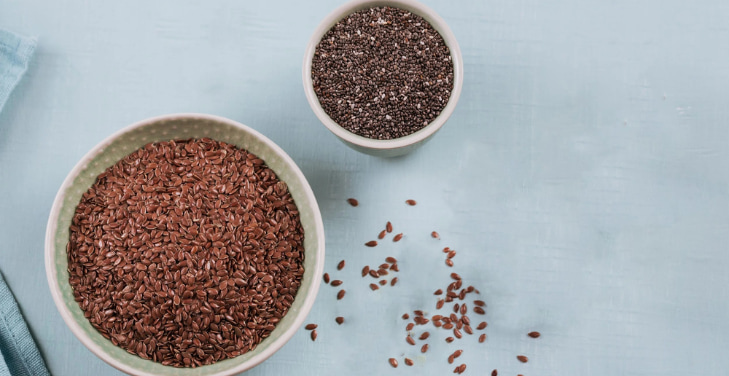
Chia and flax seeds are nutrient-dense superfoods with distinct health benefits.
What Are Chia Seeds?
Chia seeds open a magical nutritional journey in the world of natural functional foods. Small but rich in bioenergy, they have become a symbol of sustainable health and natural cell regeneration.
Origin and Botanical Identity
Chia seeds originate from Salvia hispanica, a species of the mint family (Lamiaceae) that grows strongly in Central America. The naturally mucilaginous seed structure creates a special ability to absorb water and swell, supporting the regulation of the digestive system and metabolism.
Nutritional Composition
Each seed contains a high content of alpha-linolenic acid (ALA) - a plant omega-3, along with soluble fiber, plant protein, polyphenols, and trace minerals such as calcium, magnesium, and iron.
Health Implications
Clinical studies show that chia seeds support blood sugar stabilization, enhance lipid metabolism, protect cardiovascular function through antioxidant mechanisms, and reduce systemic inflammation.
What Are Flax Seeds?
Flaxseeds are one of the ancient superfoods rediscovered by modern medicine for their remarkable nutritional value and bioactivity. Their combination of plant power and cell-protecting compounds makes them a key element in functional diets.
Origin and Botanical Identity
Flaxseeds are derived from Linum usitatissimum, a species of orchid (Linaceae) widely grown in temperate climates. Their seed structure is rich in plant lipids and lignans, which provide the biological basis for many positive metabolic effects.
Nutritional Composition
Flaxseeds contain high levels of alpha-linolenic acid (ALA), lignan phytoestrogens, soluble fiber, plant protein, B vitamins, and essential minerals such as magnesium and manganese.
Health Implications
Many clinical studies have shown that flaxseed helps maintain hormonal balance, improve plasma lipids, and support gut health by regulating the microbiome and reducing oxidative stress.
Nutritional Comparison: Chia Seeds vs Flax Seeds
The differences in nutritional value between chia and flax seeds reflect the unique biological systems of the two plants. Each seed offers a unique micronutrient profile that contributes to its impact on energy metabolism and the immune system.
Macronutrient Profile
Chia seeds provide high levels of soluble fiber and plant protein, which promote biological satiety and support blood sugar balance. Flax seeds are rich in polyunsaturated lipids with a high proportion of omega-3 ALA, which stabilizes cell membrane structure and improves inflammatory signaling.
Micronutrients and Bioactive Compounds
Both seeds contain magnesium, calcium, zinc, and antioxidant polyphenols. Flax seeds, in particular, contain lignan phytoestrogens, a plant compound that can regulate hormones and protect cells from oxidative damage.
Functional Implications
The combination of fatty acids, proteins, and micronutrients in the two nuts provides a comprehensive metabolic impact, supporting heart, brain, and digestive health.
Health Benefits Compared
The two seeds offer a wide spectrum of biological effects, positively influencing the circulatory, endocrine, and cellular energy metabolism systems. Each group of compounds in chia and flax seeds participates in regulating a variety of physiological mechanisms, from lipid balance to plasma glucose stability.
Chia Seeds: Hydration and Metabolic Regulation
Chia seeds absorb water many times their weight, forming a biogel that supports cellular hydration and electrolyte homeostasis. The omega-3 ALA, soluble fiber, and polyphenols help improve lipid metabolism, increase energy efficiency, and maintain optimal cardiovascular function.
Flax Seeds: Hormonal and Cardiovascular Support
Flax seeds contain phytoestrogen lignans that can help regulate estrogen levels and support female endocrine health. Polyunsaturated fatty acids and prebiotic fiber help lower plasma cholesterol, improve gut microbiota, and enhance systemic immune function.
How to Use Them
The correct use of chia and flax seeds determines the ability to absorb nutrients and biological effectiveness in the body. Each form of processing creates a different chemical reaction, directly affecting the ability to digest, metabolize, and absorb micronutrients.
Preparation and Activation
Chia seeds should be soaked in water or plant milk for about 20 minutes to form a mucilage gel, which helps improve digestive viscosity and protect the intestinal mucosa. Flax seeds need to be ground (ground flaxseed) to break the cellulose shell, releasing ALA fatty acids and active lignans.
Culinary Integration
The two types of seeds can be combined into smoothies and oatmeal, or used as a natural gelling agent in cakes and green juices.
Functional Application
Regular use helps increase micronutrient bioavailability, improve intestinal microflora, and maintain sustainable cellular energy metabolism.
Which One Is Better for You?
Choosing between chia and flax seeds depends on your body's biological goals and personal nutritional orientation. Each seed carries its own genetic code, influencing the endocrine system, energy metabolism, and cell function in unique ways.
For Weight and Energy Balance
Chia seeds are suitable for people who need to control their weight and stabilize cellular energy, thanks to their soluble fiber structure, which helps regulate blood sugar and maintain a feeling of fullness for a long time.
For Hormonal and Digestive Support
Flax seeds are suitable for people concerned with hormonal balance, bowel function, and cardiovascular health, thanks to their high content of phytoestrogen lignans and omega-3 ALA.
Integrative Recommendation
A combination of the two seeds in the diet helps optimize antioxidant effects, maintain homeostasis, and promote overall metabolic performance.
Potential Side Effects and Precautions
Including chia and flax seeds in the diet requires understanding dosage and physiological responses to ensure metabolic safety. Despite their high biological value, the active compounds in the seeds can produce significant changes in the digestive and circulatory systems if consumed in excess.
Digestive Considerations
The high soluble fiber content of the two seeds stimulates intestinal motility and increases the production of short-chain fatty acids (SCFA), supporting the balance of intestinal microflora. However, fluid intake should be adjusted to maintain optimal digestive viscosity and limit feelings of fullness.
Dosage and Safety Guidelines
The recommended average dose is 15–25 g per day, equivalent to 1–2 tablespoons. Regular consumption helps stabilize plasma lipids and reduce mild tissue inflammation.
Clinical Awareness
People with cardiovascular disease or those taking anticoagulants should consult a clinical nutritionist to ensure safe biological effects.
Conclusion
Chia and flax seeds are two sources of plant nutrients that can regulate metabolism, improve cell health, and optimize the body's biological functions. Each type of seed has its own role in supporting the cardiovascular, endocrine, and digestive systems through antioxidant and microbiome-regulation mechanisms.
Flexible use and correct dosage help the body achieve a state of sustainable energy balance and improve nutrient absorption efficiency.
Discover more about the natural weight loss effects of Chia Seeds for Weight Loss.
Frequently Asked Questions (FAQs)
- Can chia seeds and flax seeds be used together? – Both seeds can be used together in the daily diet, helping increase the absorption of omega-3 fatty acids, fiber, and polyphenols, while optimizing metabolism and cell homeostasis.
- When should you eat chia seeds or flax seeds during the day? – Morning is the ideal time to supplement because the body absorbs essential fatty acids and plant proteins well, supporting energy, digestive function, and nerve activity throughout the day.
- Do flax seeds need to be ground before use? – Flax seeds should be ground finely to break the cellulose shell, helping to release alpha-linolenic acid and active lignans, enhancing nutrient bioavailability and improving lipid metabolism in liver cells.
- Do chia seeds help with weight loss? – Chia seeds contain high amounts of soluble fiber, which forms a gel in the stomach, helping to prolong the feeling of fullness, reduce total energy intake, and maintain stable blood glucose levels, effectively supporting body weight control.
- Can pregnant women use chia seeds or flax seeds? – Pregnant women can supplement with moderate doses to increase the absorption of omega-3 ALA, calcium, and magnesium, helping to support fetal brain development, support blood circulation, and stabilize natural hormones.
