
Some people experience digestive, skin, and blood pressure reactions when using celery powder daily. The concentrated powder form contains high levels of nitrates, minerals, and plant compounds, which can have a noticeable physiological impact on circulation and electrolytes.
Early identification of risks helps control portion sizes and frequency of use. Understanding the dangers, side effects, risks, and safe use of celery powder supports informed choices, maintaining body balance, and protecting long-term health.
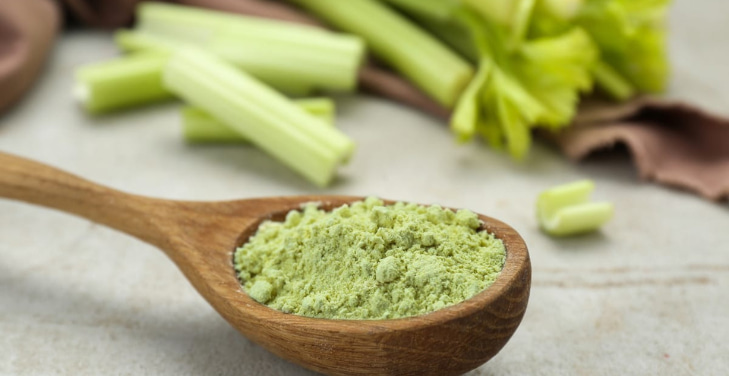
Understanding the risks of celery powder helps prevent reactions and supports safer daily dietary choices.
What Is Celery Powder and Why Does Safety Matter?
Celery powder is a concentrated form of dried, finely ground celery stems and leaves, retaining minerals, plant compounds, and a high content of natural nitrates. This powder form offers a high concentration of nutrients, creating a pronounced biological impact on the digestive, circulatory, and electrolyte systems. While often considered a healthy spice, its concentrated nature enhances its physiological effects on the body. Proper safety awareness helps optimize benefits and maintain long-term health stability.
Concentrated Nutrient Profile
Celery powder provides high concentrations of naturally occurring potassium, sodium, polyphenols, and nitrates. The powder form allows for rapid absorption, promoting clear biochemical changes in the blood and tissues. The levels of active ingredients increase significantly with regular use.
Why Dosage Awareness Matters
Appropriate dosage shapes a balanced physiological response. Small servings support flavor and nutrition. Large, continuous amounts put pressure on the cardiovascular system, kidneys, and electrolyte metabolism.
Forms and Usage Context
Celery powder is found in processed foods, seasonings, detox blends, and diet menus. This diverse usage environment leads to high cumulative consumption over time.
Common Side Effects of Celery Powder
Celery powder has a rapid impact on digestion, skin, and the circulatory system due to its concentrated active ingredients. The body reacts noticeably when high amounts of powder are consumed in a short period. Many people experience changes in stomach sensation, heart rate, or skin reactions after continuous use. Early recognition of these signs helps control portion sizes and maintain stability.
Digestive Reactions
Celery powder stimulates bowel movements and increases the secretion of digestive fluids. Users experience bloating, stomach rumbling, and increased bowel frequency. The gut microbiome reacts strongly when fiber and aromatic compounds increase suddenly.
Skin and Sensitivity Responses
Some people experience redness, itching, or mild rashes after regular use. Plant compounds in celery trigger a sensitive skin reaction. Strong sunlight combined with high consumption can make the skin reaction more apparent.
Electrolyte and Fluid Shifts
The naturally occurring sodium and potassium content in celery powder affects electrolyte balance. Users may experience increased thirst, slight changes in blood pressure, or an increased heart rate with consistently high intake.
Celery Allergies and Cross-Reactivity Risks
Celery powder contains sensitizing proteins that can trigger a strong immune response in sensitive individuals. The concentrated powder form increases antigen density, thereby stimulating a rapid, pronounced response in the body. People who are sensitive to pollen, their favorite spices, or foods from the Apiaceae family often experience more severe symptoms. Identifying allergy risks and cross-reactivity helps control portion sizes and choose safe foods in their daily diet.
High-Risk Individuals
People with a history of food allergies, allergic asthma, allergic rhinitis, or atopic predisposition react strongly to celery powder. The immune system recognizes celery protein as foreign and initiates an inflammatory cascade.
Cross-Reactivity with Related Plants
The protein in celery shares a structure with carrots, parsley, dill, and some types of pollen. The body reacts simultaneously when exposed to foods from the same family. Widespread symptoms appear rapidly after use.
High Sodium Concerns in Some Celery Powder Products
Some celery powder products contain high levels of sodium due to celery's naturally high mineral content and the concentrated processing method. Users often sprinkle the powder into many dishes throughout the day, leading to a rapid increase in total sodium intake and directly affecting fluid balance. The body reacts with changes in blood pressure, water retention, and noticeable thirst. Understanding the sodium content in celery powder helps control portion sizes and maintain cardiovascular stability.
Sodium Density and Daily Intake
Celery powder naturally contains high levels of sodium per teaspoon. Repeated consumption over multiple meals results in significant total sodium intake. Blood pressure and extracellular fluid volume increase with consumption.
Impact on Fluid Balance
Sodium promotes water retention in tissues and blood vessels. Users experience mild swelling in the hands and feet and weight gain due to fluid loss. Thirst often appears soon after consuming dishes containing celery powder.
Label Awareness and Product Variation
Commercial products have varying sodium levels depending on the source of raw materials and drying process. Nutrition labels provide specific data to help adjust serving sizes and frequency of use.
Medication Interactions to Know
Celery powder affects drug metabolism through its high content of nitrates, flavonoids, and active minerals. The concentrated powder enters the bloodstream quickly, thereby regulating blood pressure, blood viscosity, and fluid balance. Patients using cardiovascular medications, diuretics, or anticoagulants experience significant physiological changes when celery powder is added to their diet. Identifying these interactions helps establish stable dosages and maintain therapeutic efficacy.
Anticoagulant Considerations
Celery powder contains plant compounds that affect blood clotting. Patients using anticoagulants notice changes in bleeding rate and clotting time. A stable diet provides a foundation for monitoring response.
Diuretics and Electrolyte Balance
The potassium and sodium content in celery powder affects electrolyte balance. Patients using diuretics report fluctuations in serum potassium and urine output. Adjusting the amount of powder daily helps stabilize fluid balance.
Blood Pressure Medications
The natural nitrates in celery powder help dilate blood vessels and regulate blood pressure. When combined with antihypertensive medications, the body responds with changes in heart rate and pulse pressure. Monitoring dosage is essential to maintain circulatory balance.
Nitrate Content and Cardiovascular Considerations
Celery powder provides a high-density, natural source of nitrates, which are rapidly converted into nitric oxide in the body. This compound directly affects blood vessels, blood flow, and heart rate. As consumption increases, the cardiovascular system responds with noticeable vasodilation, changes in circulatory pressure, and tissue oxygen levels. Understanding the mechanism of nitrates helps regulate diet and maintain cardiovascular stability in daily use.
Nitric Oxide Pathway
Nitrates in celery powder are converted to nitrites, which are then converted to nitric oxide by the oral microbiota and endogenous enzymes. Nitric oxide activates smooth muscle relaxation in blood vessels, increasing circulation and improving oxygen delivery to tissues.
Blood Pressure Dynamics
High nitrate levels reduce vascular resistance and regulate blood pressure in a dose-dependent manner. Users experience slight fluctuations in heart rate, a feeling of warmth in the skin, and increased peripheral circulation after meals containing celery powder.
Pregnancy and Breastfeeding Precautions
Celery powder provides a concentrated amount of nitrates, essential oils, and minerals, thereby having a significant physiological impact during pregnancy and breastfeeding. The mother's body undergoes significant circulatory, hormonal, and metabolic changes, so any concentrated food source has a considerable effect. Controlling portion sizes and frequency of use helps maintain a stable environment for both mother and child. Understanding the correct dosage and product origin supports comprehensive health care.
Maternal Circulation and Fluid Balance
Celery powder directly affects blood pressure and fluid volume. Mothers may experience slight changes in heart rate and increased thirst as they consume more. Adjusting portion sizes helps maintain circulatory balance.
Infant Exposure Through Breast Milk
The aromatic compounds and minerals in celery are carried into breast milk through the bloodstream. Infants may experience changes in taste and digestive reactions when the mother consumes large amounts. A stable diet supports the child's gentle adaptation.
Overconsumption and Concentration Risks
Celery powder has a much higher concentration of active ingredients than fresh celery, so large amounts consumed in a short period of time create a noticeable physiological stress on the body. Users often add the powder to many dishes, leading to rapid accumulation and triggering strong metabolic reactions. The digestive, circulatory, and electrolyte balance systems respond immediately to overconsumption. Recognizing the risks from concentration helps adjust portion sizes and maintain stability.
Cumulative Intake Load
Each small spoonful provides a significant amount of nitrates, potassium, and plant compounds. Multiple uses throughout the day create a high total concentration. The body responds by increasing circulation and altering fluid balance.
Amplified Physiological Responses
High amounts of powder promote bowel motility, increase digestive fluid secretion, and regulate heart rate. Users experience mild warmth, thirst, and increased bowel frequency with continuous use.
Choosing High-Quality, Tested Celery Powder
High-quality celery powder provides a safe foundation for daily use. The source of raw materials, the drying process, and laboratory testing determine the active ingredient content, mineral levels, and the product's purity. Modern consumers prioritize celery powder with clear certifications to ensure it is free of nitrates, heavy metals, and microorganisms. The right choice helps maintain nutritional effectiveness, reduce metabolic burden, and protect the cardiovascular and digestive systems over time.
Third-Party Testing Standards
Products that meet independent testing standards provide data on nitrates, sodium, and impurities. Analysis reports form the basis for evaluating purity and biological safety.
Transparent Labeling and Sourcing
Transparent labels indicate the cultivation source, drying method, and mineral content. Users rely on this information to establish appropriate and consistent dietary intake.
Who Should Avoid or Limit Celery Powder
Celery powder exerts strong biological effects due to its high concentration of nitrates, minerals, and plant compounds. Some sensitive groups experience noticeable reactions with regular use or large servings. Identifying those who need to limit their intake helps establish a stable diet and maintain physiological balance. Early risk assessment supports appropriate dosage selection within the context of diverse individual health conditions.
Individuals with Allergy Sensitivity
Individuals with allergies to celery or Apiaceae plants react quickly to the concentrated powder form. The immune system triggers inflammatory responses in the skin, mucous membranes, and gastrointestinal tract upon contact.
People Managing Blood Pressure or Kidney Load
The sodium and potassium content in celery powder affects blood pressure and kidney function. Individuals monitoring blood pressure or electrolyte balance should adjust their intake to maintain stable circulation and fluid balance.
Frequent Supplement Users
Individuals who consume many types of vegetable powders, spice concentrates, or detox products accumulate high levels of active ingredients daily. Total nitrate and mineral levels increase significantly, leading to noticeable physiological reactions.
Conclusion
Celery powder offers clear nutritional benefits and powerful physiological effects due to its high concentration of active ingredients. Understanding dosage, source, and frequency of use helps maintain stable cardiovascular, digestive, and electrolyte balance.
Users should establish appropriate portion sizes, prioritize tested products, and monitor their body's response over time. This proactive approach optimizes nutritional benefits, supports long-term health, and maintains balance in their daily diet.
Frequently Asked Questions (FAQs)
-
Is celery powder safe for daily use?
Celery powder can be used daily in small, consistent amounts when sourced from a reliable product. Paying attention to blood pressure, digestion, and overall body response helps maintain safe and balanced long-term use. -
How does celery powder cause allergies?
Celery contains natural proteins that may trigger allergic reactions in sensitive individuals, leading to symptoms such as itching, skin irritation, or stomach discomfort, particularly in people allergic to related plants. -
How does celery powder affect blood pressure?
The nitrates in celery powder help produce nitric oxide, which supports blood vessel relaxation and healthy circulation, potentially contributing to more stable cardiovascular function. -
Are there any precautions to take when using celery powder with medication?
People using blood pressure drugs, diuretics, or blood thinners should be cautious, as celery powder can influence circulation and electrolyte balance. Regular monitoring helps ensure safe combined use. -
How to choose high-quality celery powder?
Selecting products with transparent labeling, third-party testing, and clear information about sourcing and processing helps ensure purity, safety, and optimal nutritional value.
