
Cat's claw carries the spirit of the Amazon rainforest, where nature and humanity have been intertwined for centuries. A single vine, yet it holds a deep and enduring heritage of indigenous medicine.
From traditional rituals to modern healthcare practices, cat's claw evokes both trust and curiosity. This herb opens a journey of discovery into its origins, uses, and holistic value for human health.
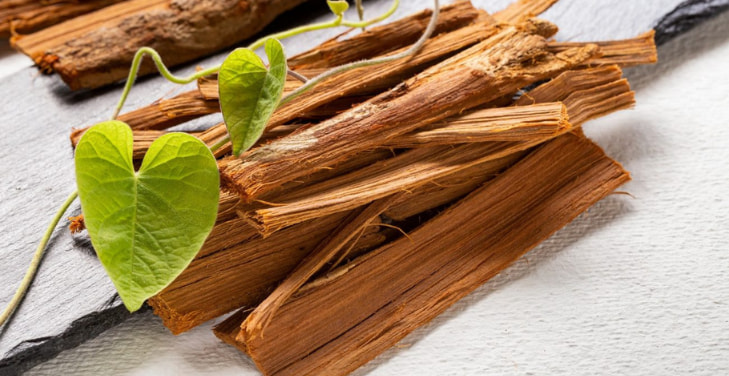
Cat's claw is a traditional herbal vine widely used for general wellness support.
What Is Cat's Claw?
Cat's claw is a well-known medicinal vine associated with indigenous South American medicine. This plant attracts attention for its long history of use and its prominent role in traditional healthcare systems.
Botanical Identity
Cat's claw, scientifically known as Uncaria tomentosa, belongs to the Rubiaceae family. It thrives in the Amazon rainforest, clinging to large tree trunks with distinctive curved hooks resembling cat claws. This characteristic gives the herb its popular name.
Traditional Definition
In traditional medicine, cat's claw is considered an herb that supports bodily balance. Indigenous people used the bark and roots to maintain overall health, boost natural immunity, and support the body's adaptability.
Modern Herbal Context
Today, cat's claw is widely used in modern herbal medicine. Healthcare professionals view this as an important source of bioactive compounds, frequently studied and applied in holistic health support products.
Botanical Origin and Plant Characteristics
Cat's claw has a clear origin in the South American tropical rainforest ecosystem, where hot and humid climates promote the vigorous growth of medicinal vines. This plant is highly adaptable and plays an important role in native biodiversity.
Native Habitat
Cat's claw grows naturally in the Amazon River basin, particularly in Peru, Brazil, and Colombia. It climbs onto large tree trunks, reaching up to access sunlight, creating a flexible, sustainable growth structure.
Physical Features
The stem is woody, with a rough bark. The leaves are opposite, oval-shaped, and dark green. Curved hooks in the leaf axils help the plant firmly attach to the support and also create a distinctive identifying feature of cat's claw.
Growth Cycle
Cat's claw grows slowly but steadily, accumulating nutrients over many years. The long growth cycle contributes to the formation of a rich content of active compounds in the bark and roots, a factor highly valued in herbal medicine.
History of Cat's Claw in Traditional Medicine
Cat's claw is deeply intertwined with the history of indigenous South American medicine, where herbal remedies play a central role in community health care. Through generations, knowledge of this medicinal plant has been passed down through practice and healing rituals.
Indigenous Healing Practices
Amazonian tribes use cat's claw as part of their traditional medical systems. Indigenous healers prepare herbal remedies from the bark and roots to support overall health and maintain physical and mental resilience.
Cultural Significance
Cat's claw holds profound cultural value. The plant represents the connection between humans and nature and appears in rituals for purification and restoration of life energy.
Transmission of Knowledge
Knowledge about cat's claw has been passed down orally from generation to generation. This process helps preserve the methods of harvesting, processing, and using herbs, laying the foundation for modern medicine's interest in these traditional medicinal plants.
Key Active Compounds Found in Cat's Claw
Cat's claw contains a diverse range of bioactive compounds, which underpin its medicinal value. The rich chemical composition reflects long-term accumulation in the tropical rainforest environment.
Oxidine Alkaloids
Oxidine alkaloids play a central role in cat's claw. This group of active compounds regulates biological activity and is usually present at stable concentrations in the bark of mature stems.
Polyphenols
Cat's claw provides many plant-derived polyphenols. These compounds help protect cells and maintain the body's homeostasis.
Quinovic Acid Glycosides
Quinovic acid glycosides are mainly present in the bark and roots. This group of compounds has attracted researchers' attention due to its unique chemical structure and clear biological potential.
Proanthocyanidins
Proanthocyanidins contribute to the complete active ingredient profile of cat's claw. They support the stability and usability of the herb in traditional and modern applications.
Common Health Uses of Cat's Claw
Cat's claw is widely used in both traditional and modern healthcare systems, particularly for maintaining overall balance. This herb is chosen for its versatile applications and diverse uses.
General Wellness Support
Cat's claw is often used to support overall health. Users aim to cultivate a stable physical foundation, increasing the body's ability to adapt to environmental factors and stressful lifestyles.
Immune-Focused Applications
In herbal practice, cat's claw is associated with supporting the immune system. Traditional uses focus on maintaining harmonious biological responses and strengthening natural resistance.
Recovery and Vitality
Cat's claw is also chosen during recovery phases. This herb supports improved well-being, maintains vitality, and promotes sustainable physical recovery.
Popular Forms and How Cat's Claw Is Used
Cat's claw is used in various forms, reflecting the intersection of traditional medicine and modern healthcare practices. Each formulation offers a unique approach, suited to diverse habits and usage goals.
Herbal Tea and Decoctions
Teas and decoctions made from cat's claw bark are popular in indigenous communities. This method helps extract the natural active ingredients while creating a gentle daily habit.
Capsules and Tablets
Cat's claw is widely available in capsule and tablet form. This form offers convenience, consistent dosage, and easy integration into modern health supplement regimens.
Liquid Extracts
Liquid extracts from cat's claw allow for rapid absorption and flexible use. This form is typically administered as a dropper, suitable for those who prioritize the ability to adjust the dose to their individual needs.
Cat's Claw Dangers
Cat's claw should be approached with medical caution, especially when used for diverse individual health conditions. Understanding the potential risks helps users make informed choices and proactively protect their bodies.
Immune System Overstimulation
Cat's claw strongly impacts immune-related biological activity. Some sensitive individuals may overreact, leading to changes in general sensation and unpleasant physiological states.
Interactions with Medications
Cat's claw may affect how the body processes medications. Its use alongside long-term medications requires careful evaluation to ensure stability and safety within the healthcare regimen.
Special Population Considerations
Pregnant women, individuals recovering from surgery, and individuals with underlying medical conditions should exercise caution when using cat's claw. Consulting with healthcare professionals helps guide appropriate use and minimize unwanted risks.
Safety Considerations and General Precautions
Cat's claw requires a well-directed approach and clear medical understanding when incorporated into a healthcare regimen. Using it in the correct context optimizes the herbal experience and maintains physiological safety.
Appropriate Dosage Awareness
Cat's claw should be used at the appropriate dosage as specified on its label. Adherence to usage instructions ensures stable absorption of the active ingredient and maintains a harmonious biological response.
Individual Health Status
Individual health status plays a crucial role when using cat's claw. Individuals with sensitive immune systems or undergoing intensive health monitoring should carefully consider the risks before regular use.
Professional Guidance
Consulting a healthcare professional is essential for safe, long-term use of cat's claw. Professional guidance helps individuals choose the appropriate timing, form, and frequency of use to align with their overall health goals.
Conclusion
Cat's claw represents a sustainable intersection between traditional medical knowledge and modern healthcare applications. This herb possesses a clear botanical origin, a long history of use, and a remarkable active ingredient profile.
Understanding its characteristics, uses, and safety precautions allows cat's claw to be used in a targeted manner. When approached with appropriate medical knowledge, cat's claw becomes a responsible and holistic herbal health support option.
Frequently Asked Questions (FAQs)
-
What is Cat's Claw?
Cat's claw is a medicinal vine from the Amazon rainforest, traditionally valued for supporting overall health and maintaining physiological balance. -
What is Cat's Claw commonly used for?
It is often used in natural health routines to support immunity, strengthen physical resilience, and promote long-term wellness. -
What are the common forms of Cat's Claw?
Cat's claw is available as tea, capsules, tablets, and liquid extracts, allowing users to choose a form that fits their daily routine. -
Who should be cautious when using Cat's Claw?
Individuals with sensitive systems, pregnant women, or those under close medical supervision should approach cat's claw carefully and consult a healthcare professional. -
Is Cat's Claw suitable for long-term use?
When used appropriately and with proper monitoring, cat's claw can support long-term health while helping the body maintain biological stability.
