
Burdock root has emerged as a natural nutritional option amid modern health pressures. Overloaded digestive systems, dull skin, and persistent fatigue are common concerns in daily life.
This traditional root carries deep nourishing value from nature. The fiber, minerals, and plant compounds in burdock root support the body's rebalancing, activate self-regulating mechanisms, and maintain stable vitality from within.
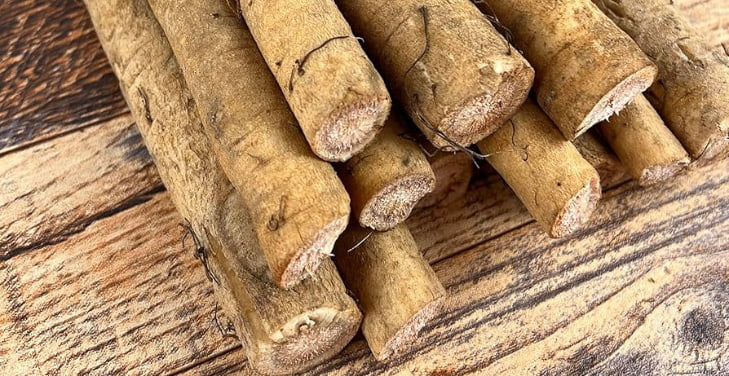
Burdock root is a traditional plant food valued for its nutritional benefits and gentle detox support.
What Is Burdock Root?
Burdock root is an ancient edible root, commonly found in traditional Asian and European cuisine and nutrition. It has a mild earthy flavor, a crisp texture when fresh, and a tender texture when cooked. Burdock root serves as a natural functional food in a balanced diet.
Botanical Origins and Identity
Burdock root grows from the Arctium plant, belonging to the Asteraceae family. The root is long, light brown, and rich in soluble fiber. The plant thrives in temperate climates, absorbing minerals deep from the soil.
Culinary and Nutritional Role
Burdock root is often used in soups, stir-fries, and herbal teas. The root provides inulin, polyphenols, and essential micronutrients. This food supports the digestive system and nourishes the gut microbiota.
Traditional Health Perspective
Traditional medicine views burdock root as a symbol of cleansing and nourishment. The roots promote natural metabolism, support liver function, and maintain overall vitality.
Burdock Root History in Traditional Medicine
Burdock root has a profound impact on the history of traditional medicine as a root that nourishes and cleanses the body. Ancient cultures incorporated burdock root into their daily lives, viewing it as a food associated with strength and longevity.
Roots in East Asian Medicine
Chinese and Japanese medicine use burdock root in remedies to clear heat. The root supports the circulation of energy and maintains internal balance. Traditional practitioners combine burdock root with other herbs to nourish the blood and vital energy.
Use in European Folk Remedies
In medieval Europe, burdock root was considered a health-protecting root. People used the root in decoctions and daily meals. Burdock root represents natural purification and restoration.
Symbol of Detoxification
Ancient medical systems associate burdock root with cleansing functions. The root promotes detoxification and internal regeneration.
Cultural Longevity Practices
Many communities have maintained the practice of using burdock root for generations. This practice reflects a belief in the root's long-lasting nourishing power.
Nutritional Profile of Burdock Root
Burdock root boasts a rich nutritional profile, reflecting its traditional status as a root associated with holistic health. This food provides stable energy while nourishing many vital physiological systems in the human body.
Key Macronutrients and Fiber
Burdock root contains high levels of natural fiber, particularly inulin. This fiber supports digestive function, promotes bowel movements, and nourishes beneficial gut bacteria. Complex carbohydrates in the root provide sustained energy, suitable for a balanced diet.
Micronutrients and Bioactive Compounds
Burdock root provides potassium, magnesium, and manganese, as well as a significant amount of B vitamins. Polyphenols and other bioactive plant compounds support cellular protection and maintain healthy metabolism. This micronutrient profile makes burdock root a nutritional choice with lasting value and depth.
Key Health Benefits of Burdock Root
Burdock root offers numerous health benefits thanks to its harmonious combination of fiber, minerals, and active plant compounds. This root acts as a deep-nourishing food, supporting the body's stable and flexible daily functioning.
Digestive System Support
Burdock root provides inulin, which helps activate the gut microbiome. Soluble fiber promotes smooth digestion, supports nutrient absorption, and maintains a feeling of lightness in the stomach after meals.
Metabolic Balance and Energy
Minerals and complex carbohydrates in burdock root support metabolism. The root helps the body maintain stable energy levels while nourishing liver function and natural detoxification processes.
Skin and Cellular Vitality
Polyphenols in burdock root help protect cells. These compounds promote healthy skin, enhance vitality from within, and maintain a fresh appearance.
Immune System Nourishment
The essential micronutrients in burdock root support immune function. This food nourishes biological adaptability and overall body resilience.
Discover the unique burdock root benefits for women — from skin health to hormone balance and detox support.
Burdock Root and Digestive Wellness
Burdock root plays a prominent role in nourishing the digestive system thanks to its rich fiber structure and active plant compounds. This root supports smooth digestion and lays the foundation for sustainable gut health.
Prebiotic Fiber and Gut Microbiota
Burdock root provides inulin, a natural prebiotic. This fiber nourishes beneficial bacteria, enhances microbial diversity, and maintains a stable gut environment.
Digestive Flow and Comfort
The soluble fiber structure of burdock root promotes regular bowel movements. Digestion is gentle, supporting a feeling of comfort after each meal.
Nutrient Absorption Support
A healthy digestive system helps the body absorb vitamins and minerals efficiently. Burdock root helps optimize this process, thereby enhancing overall vitality and energy.
Skin and Antioxidant Support
Burdock root offers outstanding skin benefits through its mechanisms of cellular protection and internal nourishment. The plant compounds in the root activate the body's natural antioxidant defenses, supporting a bright appearance and healthy skin structure.
Polyphenol-Rich Protection
Burdock root contains polyphenols that neutralize free radicals. This activity maintains the integrity of skin cells while supporting natural regeneration.
Internal Cleansing and Skin Clarity
Burdock root supports biological cleansing. A smoothly functioning elimination system allows the skin to appear clear and balanced.
Collagen-Friendly Nutrition
Minerals and micronutrients in burdock root nourish connective tissue. This mechanism supports skin elasticity and maintains a firm skin texture over time.
Holistic Skin Vitality
Burdock root nutrients have a holistic impact on the body. The skin reflects its inner balance and enduring vitality.
Common Forms: Fresh Root, Tea, and Supplements
Burdock root comes in many forms, offering great flexibility in modern nutrition. Each form represents a unique approach while preserving the root's natural nourishing value.
Fresh Root in Daily Cuisine
Fresh burdock root is commonly used in stir-fries, soups, and stews. Its crisp texture and mild, earthy flavor add depth to dishes. The fresh form provides fiber, minerals, and plant compounds in their natural state, making it suitable for a whole-food diet.
Tea and Concentrated Supplements
Burdock root tea offers a gentle experience that is easily incorporated into daily routines. Capsules and concentrated extracts cater to convenience needs, supporting selective nutrient supplementation. These forms expand access to burdock root in busy lifestyles.
How to Use Burdock Root in Everyday Meals
Burdock root easily integrates into everyday meals thanks to its rustic flavor and its versatility in combination with other ingredients. This root adds nutritional depth to family meals while offering a fresh twist to familiar menus.
Simple Preparation Techniques
Burdock root is best when washed, thinly sliced, and briefly soaked in water. This preparation method preserves its crisp texture and natural color, making the dish more appealing.
Cooking Ideas Across Cuisines
Burdock root is suitable for stir-fried vegetables, light soups, and nutrient-rich stews. The root absorbs seasonings well, creating a rich, harmonious flavor profile across many culinary styles.
Pairing with Balanced Ingredients
Burdock root pairs effectively with plant-based protein, whole grains, and healthy oils. This combination creates a complete meal, supporting digestion and maintaining stable energy levels.
Burdock Root Side Effects
Burdock root produces noticeable physiological effects upon entering the body, especially in individuals sensitive to bioactive herbs. Understanding the potential reactions helps users approach burdock root proactively and in a controlled manner.
Digestive Sensitivity Responses
The high inulin content in burdock root stimulates strong intestinal activity. Some people experience bloating or increased bowel motility when using large amounts.
Allergic Reaction Potential
Burdock root belongs to the Asteraceae family, which can trigger allergic reactions in sensitive individuals. Symptoms often appear on the skin and upper respiratory system.
Interaction with Body Fluid Balance
The cleansing activity of burdock root promotes fluid excretion. The body reacts by increasing excretion, affecting water balance if used continuously at high doses.
Herbal Concentration Awareness
The extract and capsule forms provide a concentrated amount of active ingredients. The use of this medication should be appropriate to one's physical condition to maintain physiological stability.
Dosage and Who Should Be Careful
Burdock root is most effective when the dosage is appropriate for the individual's physical condition and nutritional goals. A controlled approach helps the body absorb nutrients steadily and maintain biological balance.
General Dietary Dosage
Fresh burdock root is often used as a vegetable. Moderate amounts in daily meals support digestion and naturally nourish the gut microbiome.
Supplement Intake Considerations
Tea and capsule forms provide a concentrated dose of active ingredients. Following the instructions allows the body to gradually adapt and respond positively to the plant compounds.
Sensitive Groups Awareness
Individuals with herbal sensitivities, pregnant women, and those on specific diets should pay attention to their bodies' reactions. Careful observation helps maintain long-term safety and effectiveness.
Conclusion
Burdock root represents a deeply nutritious root, bridging traditional cuisine and modern nutritional science. This food nourishes the body from the digestive system to the skin, while supporting natural physiological processes.
Proper use of burdock root provides lasting value for long-term health. Its versatility in preparation makes it easy to integrate into a healthy and balanced lifestyle.
Frequently Asked Questions (FAQs)
-
What is burdock root, and why is it so highly valued?
Burdock root is a traditional edible root rich in fiber, minerals, and beneficial plant compounds that support digestion and the gut microbiome. -
What are the overall health benefits of burdock root?
It supports digestion, skin nourishment, and metabolic balance while providing antioxidants that help protect cells and enhance vitality. -
Can burdock root be used daily?
Yes, burdock root can be eaten daily in moderate amounts, especially in its fresh form, which supports gentle and balanced nutrient absorption. -
What is the difference between burdock root tea and fresh burdock root?
Fresh burdock offers fiber and a broader nutrient profile, while the tea provides a lighter, more concentrated intake of soluble compounds. -
Who needs to be cautious when using burdock root?
Those with herbal sensitivities, pregnant women, or users of concentrated extracts should pay attention to how their bodies respond.
