
Hormones, metabolism, and cellular circadian rhythms profoundly influence women's health. Recent nutritional studies have shown that active plant compounds can simultaneously impact multiple vital biological axes.
Many metabolic experts believe that berberine significantly affects AMPK, insulin, and blood lipids—key factors in women's health. Modern research data further reinforces berberine's role in supporting hormonal, energy, and cardiovascular health holistically.
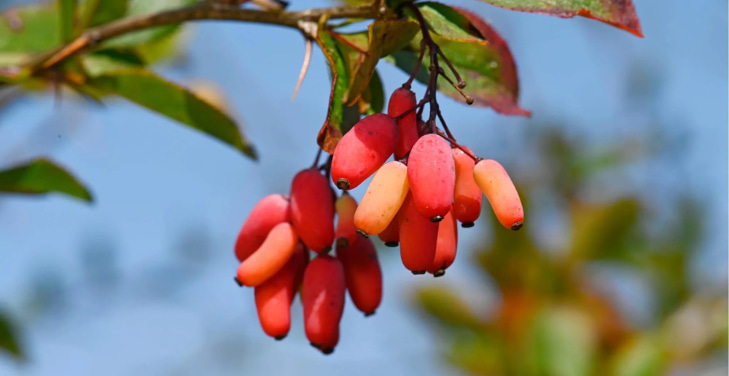
Berberine supports women's metabolic balance, hormonal health, and cardiovascular function naturally.
What Is Berberine?
Berberine is a potent bioactive plant compound extracted from many traditional herbs. This active ingredient has attracted significant attention in modern nutrition due to its profound effects on metabolism and the endocrine system. Berberine acts as a biological regulator, directly impacting fundamental cellular mechanisms.
Natural Plant Alkaloid
Berberine belongs to the group of natural alkaloids, present in species such as Berberis and Coptis. Its characteristic chemical structure enables berberine to interact effectively with enzymes and cellular receptors, thereby activating numerous beneficial physiological responses.
How Berberine Works in the Body
Berberine activates AMPK, considered the body's "metabolic switch." This process promotes efficient energy utilization, supports blood glucose and blood lipid control, and optimizes mitochondrial function.
Historical Use in Traditional Medicine
Traditional Chinese medicine and Ayurveda have used berberine for centuries to aid digestion, maintain homeostasis, and enhance physical endurance. This folk experience laid the foundation for modern nutritional research.
Why Berberine Matters for Women's Health
A woman's body operates on a delicate endocrine system, where metabolism, hormones, and energy are closely linked. Berberine directly impacts these vital biological axes, helping women maintain balance and flexibility under the pressures of modern physiology. This active ingredient creates a synergistic effect, not a fragmented or isolated one.
Metabolic Resilience in Women
Berberine promotes metabolic adaptability, supporting cells in efficiently utilizing glucose and stabilizing energy throughout the day. This mechanism is particularly suitable for women experiencing cyclical hormonal fluctuations.
Hormonal Signaling Support
Berberine participates in regulating hormone signaling through the insulin–AMPK axis, thereby supporting a harmonious endocrine circadian rhythm. This process helps hormones function in their proper physiological roles.
Whole-Body System Alignment
Berberine connects the liver, gut, and adipose tissue, forming a whole-body support network. This connection enhances metabolic efficiency and improves overall health for women.
Hormone Balance and PCOS Support
Hormonal imbalances profoundly affect women's reproductive health and metabolism. Berberine directly impacts key endocrine regulatory mechanisms, providing a stable foundation for women concerned about hormone balance and polycystic ovary syndrome (PCOS). This active ingredient promotes the harmonious coordination of hormones, energy, and cellular signaling.
Insulin Sensitivity and Hormonal Flow
Berberine improves insulin sensitivity, thereby supporting the smooth functioning of hormone signaling pathways. This process helps the body maintain a stable endocrine circadian rhythm.
Androgen Regulation Pathways
Berberine supports the regulation of androgen activity by controlling glucose and lipid metabolism. This mechanism contributes to maintaining a harmonious endocrine environment in women with PCOS.
Ovarian Function Support
Berberine promotes cell communication in ovarian tissue, supporting natural physiological function and a regular hormonal cycle.
Cycle Stability and Metabolic Rhythm
Berberine synchronizes the hormonal cycle with energy metabolism, helping the body function smoothly and efficiently.
Blood Sugar Regulation in Women
Blood sugar plays a central role in regulating energy, mood, and hormones in women. When glucose levels are stable, the body maintains alertness, a clear circadian rhythm, and flexible metabolic adaptation. Berberine directly influences key points in blood sugar control, from muscle cells to the liver and adipose tissue.
Glucose Uptake Efficiency
Glucose uptake in cells is more efficient when insulin signals are properly amplified. This mechanism helps distribute energy evenly throughout the day.
Liver Glucose Management
The liver regulates circulating glucose through storage and release cycles. Berberine supports the liver in maintaining a stable, precise rhythm of blood sugar control.
Insulin Response Stability
Consistent insulin response helps women limit energy fluctuations and post-meal fatigue. This feedback loop strengthens the foundation of sustainable metabolism for long-term health.
Weight Management and Fat Metabolism
Hormones and metabolic rate strongly influence weight management in women and the body's energy use. When these biological axes operate harmoniously, adipose tissue responds flexibly, and energy burning is efficient. Berberine directly impacts key regulatory points of fat metabolism.
Activation of Fat-Burning Pathways
Fat oxidation pathways are strongly activated by AMPK, helping cells prioritize fat as a fuel. This process promotes energy expenditure even at rest.
Adipose Tissue Regulation
Adipose tissue acts as an endocrine organ. Berberine supports signaling regulation in adipose tissue, thereby optimizing lipid storage and mobilization.
Appetite and Energy Balance
Energy balance is maintained through stable signaling between the brain, gut, and adipose tissue. This coordinated rhythm helps women naturally and sustainably control their weight.
Heart Health and Cholesterol Support
Cardiovascular health in women is linked to lipid metabolism, vascular flexibility, and hormonal regulation. When cholesterol and circulation function smoothly, the heart maintains stable and sustained performance over time. Berberine directly participates in lipid control mechanisms and protects the cardiovascular system.
Cholesterol Metabolism Control
Cholesterol metabolism is more efficient when the liver effectively regulates lipid synthesis and excretion. Berberine helps maintain balanced cholesterol levels in the blood.
Vascular Function Enhancement
Vascular walls respond flexibly to stable endothelial signaling. This process improves blood flow and reduces stress on the heart.
Cardiometabolic Integration
The connection between the heart, liver, and energy metabolism underpins a healthy cardiovascular system. Berberine strengthens this connection, supporting overall cardiovascular health for women.
Gut Health and Digestive Balance
The digestive system plays a central role in nutrient absorption, immune regulation, and hormone communication in women. When the gut functions in balance, the entire body responds positively, from energy to mood. Berberine significantly impacts the digestive environment and gut microbiota.
Microbiome Modulation
The gut microbiota responds strongly to active plant compounds. Berberine supports the maintenance of beneficial bacteria, thereby strengthening the gut barrier and nutrient absorption.
Digestive Enzyme Support
The rhythmic activity of digestive enzymes helps break down food efficiently. This mechanism helps reduce bloating and optimize nutrient metabolism.
Gut–Hormone Communication
The gut and the brain communicate continuously through the gut-brain axis. Berberine promotes this coordination, supporting hormonal balance and stable digestion in women.
Anti-Inflammatory and Antioxidant Benefits
Inflammatory responses and oxidative stress directly affect the rate of aging, cellular resilience, and hormonal stability in women. When these processes are well controlled, tissues and organs maintain flexible and sustainable function. Berberine is deeply involved in cellular protective mechanisms at the molecular level.
Inflammatory Pathway Regulation
Inflammatory signaling pathways are regulated by modulating key cytokines and enzymes. This process helps tissues respond smoothly and maintain a balanced physiological state.
Cellular Antioxidant Defense
The endogenous antioxidant system functions more effectively when cells receive appropriate protective signals. Berberine supports the neutralization of free radicals and preserves cellular structure.
Tissue Protection and Recovery
Connective tissue and internal organs recover effectively thanks to a stable microenvironment. This protection contributes to improved overall health and the body's long-term adaptability.
Safety, Dosage, and Who Should Be Careful
Effective use of berberine requires a proper understanding of dosage, tolerance, and individual health context. Women's bodies respond sensitively to potent bioactive compounds, so a targeted, conscious approach is crucial to their health journey.
Appropriate Dosage Awareness
Berberine dosages are designed according to individual metabolic goals and absorption capacity. Proper dosing timing ensures stable, harmonious absorption of the active ingredient in line with the body's circadian rhythm.
Digestive Tolerance and Adaptation
The digestive system needs time to adapt to berberine. This gradual adaptation process helps maintain intestinal comfort and optimizes long-term effectiveness.
Who Should Monitor Use Closely
Pregnant women, breastfeeding women, or those managing specific health conditions should closely monitor their bodies' reactions. The involvement of healthcare professionals helps ensure that berberine use is safe and well-controlled.
Conclusion
Berberine offers comprehensive health benefits for women through its effects on hormones, metabolism, and the cardiovascular system. This active ingredient supports the body's stable, flexible functioning and adaptability to the modern lifestyle. Its effects occur at the cellular level, creating a sustainable foundation for long-term health.
A proper understanding helps women utilize berberine proactively and strategically. Smart choices always begin with reliable knowledge.
Learn more about berberine side effects and warnings to complete your health perspective.
Frequently Asked Questions (FAQs)
- Does berberine help balance female hormones? – Berberine helps regulate insulin activity and AMPK signaling, two pathways closely linked to female hormonal balance. This mechanism supports smooth endocrine function, contributing to stable circadian rhythms and improved overall hormonal health.
- Why might women with PCOS be interested in berberine? – PCOS is commonly associated with insulin resistance and metabolic imbalance. Berberine helps improve insulin sensitivity and optimize glucose and lipid metabolism, creating a more stable endocrine environment for women managing PCOS.
- How does berberine affect blood sugar in women? – Berberine promotes efficient glucose uptake by cells and supports the liver’s role in regulating blood sugar. This helps distribute energy steadily, supporting mental clarity, sustained energy, and a balanced circadian rhythm.
- What role does berberine play in weight management? – Berberine activates AMPK-driven fat metabolism pathways and regulates adipose tissue signaling. These actions help the body use energy efficiently, supporting healthy weight maintenance and effective fat utilization.
- What should women be aware of when using berberine? – Berberine works best when taken at appropriate doses with attention to individual response. Women with specific health conditions or ongoing treatments should consult a healthcare professional to ensure safe and effective use.
