
Beet supplements have garnered significant attention within the health and sports community. These small capsules or scoops of deep red powder promise increased energy, improved circulation, and superior endurance.
Along with their rapid popularity, questions about safety have also arisen. The high concentrations of nitrates, oxalates, and other bioactive compounds produce noticeable physiological effects. Understanding these potential risks enables proactive, responsible use of the product.
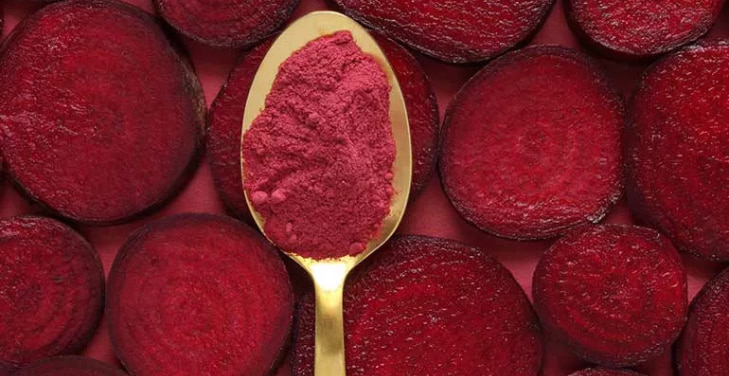
Beetroot supplements contain concentrated nitrates that may affect blood pressure and medication responses.
What Are Beet Supplements?
Beet supplements are widely used in sports nutrition and cardiovascular support. These products extract natural active ingredients from beetroot and concentrate them into convenient forms. The nitrate, betalain, and polyphenol content in these preparations is often higher than in regular foods, thus producing a noticeable biological effect on the body.
Common Supplement Forms
The market offers beet supplements in various forms, including beetroot powder, extract capsules, tablets, and concentrated juice. Powder dissolves quickly in water or smoothies, while capsules provide precise and convenient dosing. Concentrated juice is high in nutrients and is often used before exercise.
Key Active Compounds
Beet supplements provide natural nitrates, betalain, flavonoids, and many essential micronutrients. Nitrates participate in nitric oxide production, thereby promoting blood circulation and increasing oxygen transport efficiency. Betalain gives beetroot its characteristic red color and contributes to its powerful antioxidant activity.
Why People Take Beet Supplements
Many people turn to beet supplements to improve cardiovascular health and enhance physical performance. The bioactive compounds in beetroot activate many important physiological mechanisms, particularly those related to circulation and energy metabolism. The concentrated supplement form allows the body to receive a high amount of nutrients in a small dose, creating a noticeable biological impact.
Cardiovascular Support
The natural nitrates in beet supplements stimulate nitric oxide production in blood vessels. This compound promotes vasodilation, improves circulation, and increases oxygen transport capacity. The cardiovascular system functions more efficiently when blood flows smoothly through the arterial system.
Exercise Performance Enhancement
Many athletes use beet supplements to improve endurance and load-bearing capacity. Nitric oxide promotes oxygen delivery to muscles, thereby increasing exercise performance. Energy production in cells is more vigorous, helping the body maintain training intensity for longer periods.
Digestive Side Effects and Mild Reactions
Beet supplements provide a high concentration of plant compounds, leading to noticeable physiological reactions in the digestive system. The body reacts quickly to the intake of nitrates, soluble fiber, and betalain pigments. Some changes appear in the short term and reflect the gut's adaptation to the concentrated nutrients.
Stomach Discomfort and Bloating
High levels of nitrates and plant compounds stimulate digestive activity. The stomach increases gastric acid secretion, and the intestines increase peristalsis, resulting in a feeling of fullness or mild abdominal distension. These reactions often occur when the body receives high doses of supplements or uses concentrated products.
Beeturia and Stool Color Changes
The betalain pigment in beets creates the characteristic reddish-purple color of urine or stool. This phenomenon occurs when the body absorbs high amounts of pigment from beet supplements. The color change reflects the natural elimination process of plant compounds after metabolism by the body.
Excess Nitrate Intake Concerns
Beet supplements provide a very high amount of natural nitrate due to the concentration process from beetroot. When the body absorbs large doses of nitrate, a strong chain reaction involving nitric oxide occurs. Vasodilation, blood circulation, and blood pressure regulation become more pronounced. The increase in nitrate leads to many notable physiological changes in the cardiovascular and metabolic systems.
High Nitrate Concentration in Supplements
A small serving of beet extract can contain an amount of nitrate equivalent to many fresh beetroots. This high concentration of the active ingredient promotes rapid nitric oxide production in the body. The vascular system responds strongly to increased vasodilatory compounds.
Phytological Effects of Elevated Nitric Oxide
Nitric oxide relaxes smooth muscle in the vessel walls, increasing blood flow. Circulatory pressure changes rapidly when nitric oxide levels rise. These physiological fluctuations directly affect blood pressure and circulatory function.
Interaction With Blood Pressure Medications
Beet supplements contain high levels of bioavailable nitrates and activate nitric oxide production in blood vessels. This compound promotes vasodilation and alters circulatory dynamics. When the body simultaneously uses blood pressure-regulating medications, these physiological effects become more pronounced. The combination of natural compounds and pharmaceuticals creates a significant impact on the cardiovascular system.
Natural Blood Pressure-Lowering Effect
Nitrates in beet supplements relax the smooth muscle of the vessel walls. The vessel's lumen widens, and blood flow increases rapidly. Blood pressure decreases significantly as the circulatory system adapts to vasodilation.
Combined Effects With Antihypertensive Drugs
Blood pressure-lowering drugs regulate circulatory pressure through various biological mechanisms. Beet supplements simultaneously stimulate nitric oxide production and enhance vasodilation. These two effects together create a significant change in blood pressure levels and blood circulation speed.
Kidney Stone Risk From Oxalates
Beet supplements contain a significant amount of oxalate due to the concentration of nutrients from beets. Oxalate participates in many biochemical reactions in the body and directly affects the mineral balance in urine. When oxalate levels are high, the kidney environment becomes favorable for the formation of mineral crystals.
Oxalate Content in Beets
Naturally, beets contain relatively high levels of oxalate. The supplement manufacturing process concentrates these compounds, increasing the oxalate density in each dose. Large amounts of oxalate enter the bloodstream and are then excreted by the kidneys through urine.
Crystal Formation in the Kidneys
Oxalate combines with calcium in urine to form calcium oxalate crystals. These crystals gradually accumulate in the urinary system, forming kidney stones. Crystallization is more intense when oxalate and mineral concentrations in urine are high.
Potential Blood Sugar Effects
Beet supplements provide a concentrated amount of bioactive compounds that can affect glucose metabolism. Natural nitrates, polyphenols, and betalain pigments participate in many biochemical reactions in the liver and muscle tissue. These reactions directly affect energy utilization and blood sugar balance.
Influence on Glucose Metabolism
Nitrates promote nitric oxide production and improve blood flow to muscle tissue. Muscle cells receive more oxygen and nutrients, thereby increasing their ability to use glucose as an energy source. Blood sugar metabolism occurs vigorously and continuously.
Blood Sugar Response After Supplement Intake
Beet supplements provide natural carbohydrates along with active plant compounds. The liver and muscles quickly regulate glucose absorption and utilization. Blood sugar levels fluctuate dynamically as the body responds to the concentrated nutrients from beetroot.
Quality and Contamination Concerns
Beet supplements undergo numerous processing stages from agricultural raw materials to commercial products. The final quality depends on the source of the beetroot, the extraction process, and the manufacturing standards. Differences between brands create significant variations in purity, active ingredient content, and safety levels.
Variability in Nitrate Concentration
The nitrate content of beet supplements varies depending on the beetroot variety, soil conditions, and the concentration method used. Some products contain very high nitrate concentrations per serving. This variation directly impacts physiological effects and the body's response.
Risk of Contaminants and Additives
Growing and processing can introduce heavy metals, pesticide residues, or additives into the product. These impurities enter the body along with the supplement dose. Long-term accumulation strains the liver, kidneys, and the metabolic system.
Who Should Avoid Beet Supplements
Beet supplements provide concentrated levels of nitrates, oxalates, and bioactive compounds. These components trigger numerous physiological responses related to circulation, metabolism, and kidney function. Certain groups should exercise particular caution when exposed to this concentrated source of nutrients because their bodies react more strongly to the active ingredients in beets.
Individuals With Kidney Stone History
Beet supplements contain significant amounts of oxalate. Oxalate combines with calcium in the urine, forming mineral crystals. This crystal accumulation promotes the formation of kidney and urinary tract stones.
People Using Blood Pressure Medications
The natural nitrates in beet supplements stimulate nitric oxide production and promote vasodilation. Blood pressure changes noticeably as the circulatory system reacts to this compound. People using blood pressure medication should closely monitor their blood pressure levels when supplementing with beet products.
Conclusion
Beet supplements provide concentrated sources of nitrates, betalains, and plant compounds that can significantly impact circulation, metabolism, and kidney function. These physiological changes are particularly noticeable when the body absorbs high doses from supplements.
Appropriate use helps control the amount of nitrates and oxalates entering the body. Choosing quality-tested products and monitoring the body's reaction helps maintain biological balance.
Professional advice from healthcare professionals helps determine the appropriate dosage and protects long-term health.
Frequently Asked Questions (FAQs)
- Are beet supplements safe for daily use? – Beet supplements provide natural nitrates and many bioactive compounds. Using the right dosage supports circulation and athletic performance. Monitoring your body's response and following the recommended dosage helps maintain a stable physiological balance.
- Can beet supplements lower blood pressure? – The nitrates in beets promote nitric oxide production in blood vessel walls. This compound stimulates vasodilation and increases blood flow. The circulatory system responds quickly to this change, and blood pressure may decrease as a result.
- Why do beet supplements change urine or stool color? – The pigment betalain gives beets their characteristic reddish-purple color. The body absorbs this compound and excretes some of it through urine or stool. This color change reflects the metabolism and elimination of plant pigments.
- Do beet supplements affect kidney health? – Beets contain natural oxalates that may combine with calcium in urine. Over time, these minerals can crystallize and form kidney stones in susceptible individuals. People prone to kidney stones should use beet supplements cautiously.
- Can athletes benefit from beet supplements? – Athletes often use beet supplements to increase blood flow to muscles. Nitric oxide supports more efficient oxygen and nutrient delivery. This process can improve endurance and help muscles maintain performance during intense physical activity.
