
Andrographis emerges as a medicinal herb rich in scientific depth and traditional value. Its characteristic bitterness evokes a long-standing story of resilience, adaptability, and support for natural health.
Today, andrographis attracts the attention of modern medicine due to its outstanding bioactive compounds. The intersection of traditional experience and contemporary research forms a solid foundation for proactive health care.
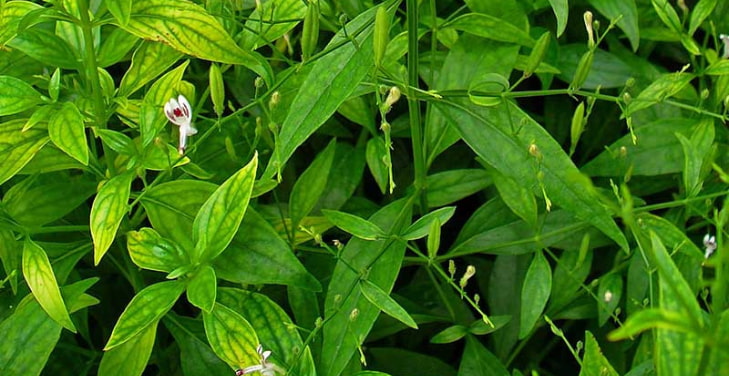
Andrographis is a traditional herb widely studied for immune, inflammatory, and overall wellness support.
What Is Andrographis?
Andrographis is a familiar herb in traditional Asian medicine, particularly in India, China, and Southeast Asia. This plant has attracted significant attention in modern medicine due to its clear biological properties and potential to support overall health.
Definition and General Overview
Andrographis, also known as Andrographis paniculata, belongs to the Acanthaceae family. This herb is notable for its characteristic bitter taste, and its above-ground parts are commonly used in health care formulations.
Role in Traditional Health Systems
In Ayurveda and traditional Chinese medicine, andrographis plays a crucial role in cleansing the body, balancing physiology, and maintaining a stable state of health.
Modern Scientific Recognition
Modern research recognizes andrographis as a rich source of potential plant compounds. Scientists highly value its potential applications in strategies supporting immunity and overall health.
Botanical Origin and Plant Characteristics
Andrographis paniculata grows naturally in tropical Asia and is associated with native ecosystems rich in medicinal plants. Its clear botanical origin makes it a familiar subject of study in herbal science.
Native Habitat and Distribution
Andrographis thrives in India, Sri Lanka, Thailand, and Vietnam. It prefers a hot, humid climate, well-drained soil, and consistent natural sunlight.
Morphological Features
The plant is herbaceous, averaging 30–110 cm in height. The leaves are thin, lance-shaped, and dark green. The flowers are small, white with a purplish tint, and grow in clusters at the end of branches.
Growth Cycle and Harvesting
Andrographis grows rapidly during the rainy season and reaches high concentrations of active compounds when flowering. Harvesting is typically concentrated during the vigorous growth phase.
Botanical Identification
The distinct bitter taste and characteristic leaf and flower structure enable highly accurate identification of andrographis in medicinal practice.
Active Compounds in Andrographis
Andrographis has attracted medical attention due to its rich phytochemical profile, primarily concentrated in the above-ground leaves and stems. These compounds form the biological basis for many widely studied healthcare applications.
Andrographolides and Related Diterpenes
Andrographolide plays a central role in Andrographis's active compound profile. This group of diterpene lactones exhibits potent biological activity, linked to immune-regulating mechanisms and physiological inflammatory responses.
Flavonoids and Polyphenols
In addition to andrographolide, andrographis also contains naturally occurring flavonoids and polyphenols. These compounds support oxidative balance, helping maintain a stable cellular environment and promoting long-term overall health.
The diverse combination of active compounds makes andrographis a highly valuable herb in modern medical research and applications.
Traditional Uses in Herbal Medicine
Andrographis holds a significant place in many traditional medicine systems due to its recognized medicinal value for centuries. This herb frequently appears in community health care remedies in Asia.
Ayurveda Applications
In Ayurveda, andrographis is used to support body detoxification and maintain physiological balance. Traditional practitioners value the plant's bitterness as an activator of natural regulatory mechanisms.
Traditional Chinese Medicine Perspective
Traditional Chinese medicine views andrographis as a cooling herb that promotes a stable state of health. It is often found in seasonal herbal formulas.
Folk Medicine Practices
In Southeast Asia, andrographis is closely associated with folk health practices. People use the plant in decoction or powder form in traditional lifestyles.
Its long history of use has given andrographis a solid foundation in herbal medicine.
Common Health Benefits Linked to Andrographis
Andrographis has been extensively studied for its multifaceted health benefits, stemming from its characteristic bioactive compounds and clear mechanisms of action. The health applications of this herb are attracting increasing attention in complementary medicine.
Immune Response Support
Andrographis promotes both innate and adaptive immune activity. The body responds more flexibly to common environmental factors.
Inflammatory Balance
The active compound andrographolide participates in regulating physiological inflammatory signals. This process helps maintain stable homeostasis.
Digestive and Liver Wellness
Andrographis supports digestive function by modulating bile and liver metabolism. The digestive system functions more smoothly in daily life.
General Vitality Enhancement
Appropriate use of andrographis helps the body maintain stable baseline energy levels. Overall health is strengthened over time.
Typical Forms and Supplement Availability
Andrographis is widely available on the market in various formulations, meeting the diverse needs of modern healthcare. This variety allows users to easily choose a form that suits their lifestyle.
Capsules and Tablets
Andrographis capsules and tablets offer high convenience. This form supports precise dosage control and is suitable for daily use.
Liquid Extracts and Tinctures
Liquid extracts and tinctures of andrographis offer rapid absorption. Many people choose this form to incorporate into short-term healthcare regimens.
Powder and Herbal Blends
Andrographis powder is often found in herbal blends. The powder form allows for flexible mixing with teas or functional beverages.
Andrographis Side Effects
Andrographis offers many health benefits, but it also causes physiological reactions that need to be understood when using it. Full awareness of potential side effects helps make the use of this herbal supplement more proactive and safer.
Gastrointestinal Reactions
Some people experience mild gastrointestinal discomfort when using andrographis. Common symptoms include bloating, changes in bowel movements, or a bitter taste in the mouth after use.
Immune and Sensitivity Responses
Andrographis directly affects immune function, so the body may experience temporary hypersensitivity reactions. Some cases have reported mild fatigue, changes in body temperature, or transient skin reactions.
Monitoring individual reactions and using appropriate dosages helps optimize the experience when supplementing andrographis in daily health care.
Dosing
Determining the appropriate Andrographis dosage is crucial to the herb's effectiveness. Andrographis usage guidelines are typically based on the formulation, active ingredient content, and individual health goals.
Typical Supplemental Ranges
Common andrographis products provide standardized andrographolide. Dosages are usually divided throughout the day to support stable absorption and maintain continuous biological effects.
Short-Term and Supportive Use
Many andrographis regimens focus on short-term use to support immunity or seasonal health. This approach allows the body to adapt flexibly to the herbal active ingredient.
Individual Factors Affecting Dosage
Age, physical condition, and physiological sensitivity directly influence the appropriate dosage. Choosing a high-quality product and following professional guidance optimize the effectiveness of andrographis in daily health care.
Conclusion
Andrographis demonstrates clear value in both traditional medicine and modern research. This herb possesses a solid botanical foundation, outstanding bioactive compounds, and a wide range of health applications.
A proper understanding of its benefits, dosage, and safety is crucial for maximizing its effectiveness. A scientific and proactive approach leads to a suitable user experience within a holistic healthcare strategy.
Frequently Asked Questions (FAQs)
-
Is Andrographis suitable for daily use?
Andrographis is typically used in short cycles, but daily use may be appropriate when dosage and health goals are clearly defined. -
How does Andrographis affect the immune system?
Its active compound, andrographolide, helps regulate immune activity, supporting balance and adaptability to environmental factors. -
Which form of andrographis is best for absorption?
Capsules and liquid extracts with standardized content are commonly preferred for effective absorption, depending on personal needs. -
Who should be cautious when using andrographis?
Individuals with sensitive systems or those under specialized medical care should monitor their response closely when using andrographis. -
What health goals is Andrographis suitable for?
It is commonly used to support immunity, maintain inflammatory balance, and promote overall long-term health.
