
A microscopic element in the gut is shaping how the body functions, directly impacting digestion, metabolism, and immunity. Akkermansia muciniphila emerges as a crucial link, opening up new perspectives on internal balance.
Small changes in the microbiome have far-reaching effects on overall health. The mystery lies in how this bacterium interacts with the gut lining and regulates the body's internal biological signals.
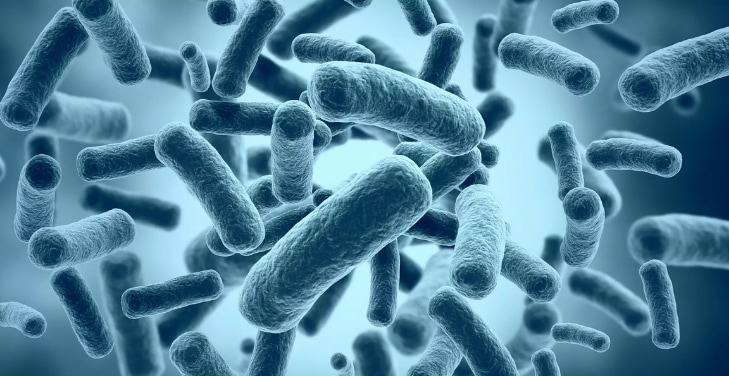
Akkermansia bacteria support gut lining health and influence metabolism and immune balance.
What is Akkermansia muciniphila?
The gut microbiome shapes the foundation of overall health, and Akkermansia muciniphila emerges as a central element in that picture. This bacterium is actively involved in the intestinal mucosa, where it exerts a significant biological impact on digestive structure and function.
Biological Identity
Akkermansia muciniphila belongs to the group of Gram-negative anaerobic bacteria, primarily residing in the mucus lining of the intestinal mucosa. It uses mucin as an energy source, thereby stimulating the regeneration of the gut's natural protective barrier.
Role in the Gut Microbiome
This bacterium contributes to maintaining microbial balance by regulating density and interactions between different strains. It promotes a stable gut environment, facilitating efficient digestive function.
Why It Matters for Health
Akkermansia muciniphila is closely linked to energy metabolism, glycemic control, and immune response. Its presence reflects the healthy state of the gut barrier and opens up many potential applications in modern healthcare.
How Akkermansia Works in the Gut
Akkermansia muciniphila's activity is continuous in the gut environment, where each micro-interaction creates a ripple effect throughout the entire digestive system. This bacterium directly participates in maintaining the biological structure of the intestinal mucosa and regulating the microbiota towards stability.
Mucin Degradation Process
Akkermansia muciniphila breaks down mucin as a primary nutrient source, while simultaneously stimulating intestinal cells to produce new mucus. This process strengthens the protective barrier, helping the intestinal mucosa maintain its strength and integrity.
Gut Barrier Reinforcement
This bacterium strengthens the tight bonds between intestinal epithelial cells, thereby improving permeability control. An effectively functioning gut barrier helps stabilize the internal environment and supports nutrient absorption.
Microbial Interaction and Signaling
Akkermansia muciniphila interacts with other bacteria through biosignals, regulating the balance of the microbiome. It promotes the diversity of beneficial bacteria and creates a harmonious, adaptable gut ecosystem.
Pros of Akkermansia
Akkermansia muciniphila plays a prominent role in optimizing gut health and metabolism. The presence of this bacterium creates a tightly linked chain of biological responses, from the intestinal mucosa to the immune system and energy balance.
Gut Barrier Enhancement
Akkermansia muciniphila strengthens the protective intestinal mucus layer by stimulating continuous mucin regeneration. This membrane maintains mucosal stability, supports nutrient absorption, and enhances protection against harmful agents.
Metabolic Regulation
This bacterium promotes efficient glucose and lipid metabolism. It supports blood sugar control, improves insulin sensitivity, and helps maintain a healthy weight.
Anti-inflammatory and Immune Support
Akkermansia muciniphila regulates immune signaling and inflammatory responses in the gut. It activates natural defense mechanisms, helping the body maintain a stable and flexible immune state.
Gut-Brain Axis Influence
This bacterium participates in the gut-brain axis through biological metabolites. It contributes to a better mental state, supports concentration, and promotes a sense of balance in neurological activity.
Cons of Akkermansia
Akkermansia muciniphila offers many clear biological benefits; however, some potential side effects can occur when the microbiome changes rapidly or the individual reacts strongly. These factors create diverse physiological responses that need to be accurately identified.
Digestive Sensitivity Responses
Increased activity of Akkermansia muciniphila can stimulate bowel movements and alter the digestive environment. Some people experience bloating, increased gas, or fluctuations in bowel frequency as the microbiome adapts.
Microbiome Imbalance Risk
This bacterium strongly impacts the mucin layer and the overall microbiome, thereby altering the structure of the gut bacterial population. Rapid changes create a temporary imbalance, affecting biological stability.
Limited Clinical Standardization
Research on Akkermansia muciniphila is rapidly developing; however, standards for clinical application are still being refined. Dosage, supplement form, and duration of use show considerable variability between studies.
Individual Biological Variability
Each body responds according to its unique genetic characteristics and microbiome. Akkermansia muciniphila produces different effects in different individuals, leading to diverse results and biological experiences.
Scientific Evidence and Research Insights
Research on Akkermansia muciniphila has flourished in recent decades, creating a rich body of literature on its role in human health. The scientific evidence continues to expand, clarifying its mechanisms of action and potential applications in modern medicine.
Human Clinical Findings
Human trials have shown significant improvements in insulin sensitivity, glycemic control, and body mass index. The increase in Akkermansia muciniphila is directly related to stable metabolic states and optimal gut function.
Mechanistic Insights from Animal Studies
Studies in animal models show that this bacterium activates biosignatures associated with the gut barrier and the immune response. Molecular mechanisms play a central role in regulating inflammation and energy metabolism.
Emerging Therapeutic Applications
Scientists are developing a new approach using Akkermansia muciniphila as a microbial therapy. This application has the potential to manage obesity and metabolic disorders and to improve gut health in a targeted way.
Who May Benefit Most from Akkermansia
The effectiveness of Akkermansia muciniphila is particularly evident in groups needing to optimize metabolism and strengthen the gut barrier. This bacterium produces targeted biological effects, tailored to the body's needs for restoration and homeostasis.
Individuals with Metabolic Disorders
Individuals with metabolic disorders, such as hyperglycemia or visceral fat accumulation, benefit from the regulatory effects of Akkermansia muciniphila. This bacterium promotes efficient energy utilization and helps maintain stable biochemical indicators.
People with Gut Barrier Weakness
Those with sensitive gut mucosa or impaired gut barrier function benefit from its ability to regenerate the mucin layer. Akkermansia muciniphila strengthens the protective structure and improves the gut microbiota.
Weight Management Seekers
People focused on weight management take advantage of this bacterium's ability to regulate lipid metabolism and satiety. This bacterium supports proper energy allocation and helps maintain a balanced physique.
Who Should Be Cautious?
The addition or increase of Akkermansia muciniphila has a strong biological impact; certain groups require a cautious and contraindicated approach. Physiological characteristics and underlying health conditions determine how the body reacts to changes in the microbiome.
Individuals with Sensitive Gut Conditions
Individuals with sensitive digestive systems or experiencing intestinal disorders react significantly to changes in the microbiome. Akkermansia muciniphila directly affects the mucin layer, thereby altering the gut environment and affecting digestive sensation.
People on Microbiome-Influencing Medications
Individuals using medications that affect the microbiome, such as antibiotics or immunomodulators, experience significant changes in the structure of their gut bacteria. The presence of Akkermansia muciniphila in combination with these agents creates a complex biological effect.
Pregnant and Breastfeeding Women
Women during pregnancy or breastfeeding experience significant physiological changes. Mucinophila interacts with the immune and metabolic systems, and these interactions require careful consideration to ensure the well-being of both mother and child.
Natural Ways to Increase Akkermansia Levels
Increasing Akkermansia muciniphila levels can be achieved through natural strategies that directly impact the gut microbiome. Appropriate food choices and lifestyle create an ideal environment for these bacteria to thrive and maintain stable activity.
Dietary Fiber Enrichment
A diet rich in fiber from green vegetables, fruits, and whole grains provides nutrients for the microbiome. Akkermansia muciniphila flourishes in a gut environment rich in prebiotics, thereby increasing mucin thickness and improving digestive function.
Polyphenol-Rich Foods
Foods containing polyphenols, such as green tea, berries, and cocoa, stimulate the growth of Akkermansia muciniphila. These bioactive compounds interact with gut bacteria, promoting microbial balance and increasing metabolic efficiency.
Lifestyle Optimization
Lifestyle habits such as getting enough sleep, exercising regularly, and managing stress create conditions for a stable gut microbiome. Akkermansia muciniphila responds positively to a balanced physiological environment, thereby maintaining sustainable activity in the gut.
Akkermansia Supplements: What to Know
Akkermansia muciniphila supplements offer a direct approach to optimizing gut microbiota and improving metabolism. The market is rapidly evolving, and many factors must be considered to achieve clear, consistent biological efficacy.
Available Supplement Forms
Supplements include live and inactivated bacteria, as well as formulations combined with prebiotics. Each form offers a unique mechanism of action, with inactivated forms still activating biological responses through their characteristic cellular structure.
Dosage and Usage Considerations
Dosage is designed based on bacterial density and specific usage goals. Users build their supplementation regimen according to their individual health status, thereby optimizing effectiveness and maintaining microbial balance.
Quality and Product Selection
Product quality depends on the manufacturing process, bacterial stability, and testing standards. Choosing a reputable brand ensures consistency and biological effectiveness over the long term.
Conclusion
Akkermansia muciniphila plays a prominent role in strengthening the gut barrier, regulating metabolism, and supporting the immune system. The presence of this bacterium reflects the body's biological balance and adaptability to internal environmental changes.
The application of Akkermansia muciniphila through nutrition and supplementation opens up a proactive approach to gut health. Personalized strategies optimize effectiveness while maintaining a stable and sustainable microbiome over time.
Frequently Asked Questions (FAQs)
- Does Akkermansia really improve gut health? – Akkermansia muciniphila supports the intestinal lining and strengthens the digestive barrier, promoting efficient nutrient absorption and a balanced gut microbiome.
- How long does it take to see results from increasing Akkermansia? – Changes typically appear within a few weeks as the microbiome adapts, supporting gradual improvements in digestion, energy levels, and metabolic function.
- Should Akkermansia be taken daily? – Daily use helps maintain stable levels in the gut, supporting consistent digestive performance and optimized biological function over time.
- Does Akkermansia support weight loss? – Akkermansia influences lipid and glucose metabolism, helping regulate energy use and supporting weight management and metabolic balance.
- What foods help increase natural Akkermansia? – Fiber- and polyphenol-rich foods such as green vegetables, fruits, and green tea promote Akkermansia growth and support a healthier gut environment.
