
Modern life drives demand for holistic healthcare methods that balance body and mind. Acupuncture emerges as a sophisticated option that harnesses the body's inherent self-regulating mechanisms.
What happens when acupuncture points are properly activated? How does the body respond to these precise stimuli?
This growing interest reflects a desire for natural recovery, improved function, and a sustainable enhancement of quality of life.
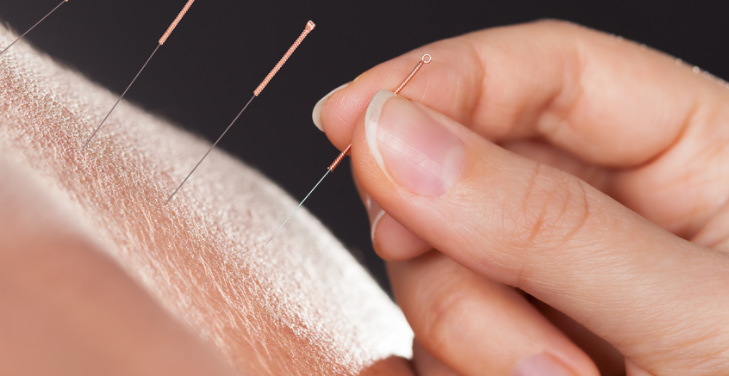
Acupuncture needles are placed on body points to support pain relief and balance.
What Is Acupuncture?
The human body operates as a continuous network of signals, where every small stimulus produces a ripple effect. Acupuncture emerges as a method of fine-tuning this system, directly impacting key points to trigger self-regulating mechanisms.
Energy Flow and Meridian System
The meridian system extends throughout the body, transmitting Qi (vital energy) to every organ and tissue. Each acupuncture point located on these pathways plays a role in coordinating energy, helping to maintain biological balance and support organ function.
Needle Stimulation and Physiological Response
Thin needles are inserted into acupuncture points with precise technique, creating mechanical stimulation of nerves and connective tissue. The body responds by releasing endorphins, increasing blood flow, and activating a chain of biological signals related to pain relief and recovery.
System-Wide Functional Regulation
Acupuncture simultaneously affects the nervous, endocrine, and immune systems. This coordination promotes adaptability, enhances the body's performance, and strengthens long-term stability.
How Acupuncture Works
Intervention at acupuncture points triggers a chain reaction of widespread biological responses, with nerve, circulatory, and endocrine signals working in harmony. Acupuncture activates deep-seated regulatory mechanisms within the body, thereby promoting functional balance.
Neurochemical Activation
Acupuncture needles directly stimulate nerve endings, triggering the brain to release endorphins and serotonin. These neurotransmitters soothe pain and promote relaxation and mental stability.
Circulatory Enhancement
Stimulation at acupuncture points dilates local blood vessels, increasing blood flow to the affected tissue. This oxygen- and nutrient-rich blood flow supports cell regeneration and promotes the removal of metabolic waste.
Regulation of Internal Systems
Acupuncture regulates the activity of the autonomic nervous system, thereby influencing heart rate, digestion, and immune responses. The body adjusts to optimize function, creating a foundation for recovery and maintaining lasting health.
Common Conditions Treated with Acupuncture
Many health conditions reflect imbalances in the body's regulatory systems. Acupuncture aims to re-establish this stable state, thereby supporting the improvement of a variety of clinical problems.
Chronic Pain Disorders
Back, neck, and musculoskeletal pain often occur when nerve signals are disrupted. Acupuncture stimulates relevant acupoints, reducing pain sensation and improving mobility.
Neurological and Headache Conditions
Headaches and migraines are related to changes in neurotransmission and cerebral circulation. Stimulating the correct acupoints helps regulate blood flow and stabilize the central nervous system.
Stress-Related and Sleep Disorders
Prolonged stress directly affects sleep and mental state. Acupuncture promotes relaxation, improves sleep quality, and increases energy recovery.
Digestive and Metabolic Issues
Digestive and metabolic disorders reflect imbalances in internal organs. Stimulating relevant acupressure points helps regulate bowel motility and optimize nutrient absorption.
Pros of Acupuncture
Many benefits of acupuncture become apparent when the body is stimulated at the right points and at the right time. The biological response is rapid, widespread, and creates significant changes in both sensation and function.
Effective Pain Relief
Acupuncture promotes the release of endorphins and regulates pain signals in the central nervous system. The body naturally reduces pain sensation while improving range of motion and tissue recovery.
Stress Reduction and Mental Balance
Stimulating acupuncture points related to the autonomic nervous system helps stabilize heart rate and breathing. A state of deep relaxation emerges, and the mind becomes more focused and balanced.
Enhanced Circulation and Healing
Increased blood flow in the acupunctured area carries oxygen and nutrients to the damaged tissue. Regeneration is intensified, supporting faster recovery and improving overall function.
Cons of Acupuncture
Every medical intervention involves factors that require careful consideration. Acupuncture directly impacts the body, so the experience and reaction can vary depending on individual physiology and the technique used.
Local Discomfort and Minor Reactions
The needles penetrate soft tissue, causing a tingling, tightness, or mild soreness at the acupuncture point. In some cases, small bruises may appear due to capillary reactions to mechanical stimulation.
Requirement for Multiple Sessions
The cumulative effect develops through multiple consecutive treatments. Long-term treatment requires patience and careful scheduling to maintain a consistent effect on the body.
Technique Sensitivity and Practitioner Skill
The accuracy in identifying acupuncture points and manipulating the needles determines the quality of treatment. The technique directly affects the experience and the level of physiological response.
Risk of Improper Sterilization
The environment and instruments must meet strict sterile standards. Inadequate control procedures can lead to localized inflammation and impede healing.
Scientific Evidence and Effectiveness
Modern research offers insights into the mechanisms and effectiveness of acupuncture in clinical practice. Continuous scientific data reinforces the role of this method in many areas of healthcare.
Clinical Trials and Measurable Outcomes
Clinical trials have shown significant improvements in pain levels, sleep quality, and motor function. Biological indicators, such as endorphin levels and blood flow, also show positive changes after the intervention.
Neurological and Biochemical Evidence
Acupuncture activates brain regions involved in regulating sensation and emotion. Neuroimaging reveals modulated activity in the limbic system and cerebral cortex, while enhancing neurotransmission.
Condition-Specific Effectiveness
Its effectiveness is strongly demonstrated in conditions such as chronic pain, headaches, and stress. Treatment response depends on the specific disease characteristics and the individual's biological response.
Safety and Side Effects
Safety is central to any therapeutic intervention, especially when the body reacts directly to physical stimulation. Acupuncture produces clear biological effects, so understanding the accompanying reactions optimizes the experience and treatment outcomes.
Common Mild Reactions
A tingling, mild tightness, or spreading warmth is common at the acupuncture site. Some skin areas may react with redness or minor bruising due to changes in microcirculation. These manifestations reflect physiological activation in the tissue.
Systemic Responses and Body Adjustment
The body may experience deep relaxation, drowsiness, or increased energy after the treatment. The autonomic nervous system regulates heart rate, respiration, and digestion towards greater stability.
Procedure Safety Standards
The procedure requires sterile needles, precise manipulation, and a clean environment. Precise techniques ensure safety, enhance treatment effectiveness, and minimize unwanted side effects.
Who Should Consider Acupuncture?
The demand for holistic healthcare solutions is increasingly focused on harmonizing both body and mind. Acupuncture is suitable for many groups when the goal of improving physiological function and enhancing quality of life becomes clear.
Individuals with Chronic Pain Conditions
Those with back or neck pain or arthritis experience significant improvement when acupuncture stimulates acupoints to regulate pain signals. The body gains increased mobility and reduced muscle stiffness.
People Experiencing Stress and Sleep Issues
Prolonged stress directly affects the nervous system and sleep. Acupuncture supports deep relaxation, stabilizes circadian rhythms, and improves rest quality.
Patients Seeking Complementary Therapy
Many people choose to combine acupuncture with modern treatments. This combination enhances overall effectiveness and promotes proactive recovery.
Who Should Avoid or Use Caution?
Some specific physiological and pathological conditions require careful consideration before choosing an intervention method. Acupuncture directly affects the nervous and circulatory systems, so individualized assessment helps ensure effectiveness and safety.
Individuals with Bleeding Disorders
Individuals with blood-clotting disorders or those using anticoagulants exhibit high sensitivity to needle stimulation. Subcutaneous bleeding or bruising may be more pronounced during treatment.
People with Medical Implants or Devices
Implanted devices such as pacemakers are directly related to the body's bioelectrical activity. Stimulation at certain acupuncture points can affect the stability of this system.
Pregnant Individuals and Sensitive Conditions
The body during pregnancy reacts strongly to physiological stimuli. Certain acupuncture points associated with uterine contractions must be precisely selected to ensure stability and support overall health.
What to Expect During a Session
A treatment session follows a clear sequence, with each step geared toward activating the optimal biological response. Acupuncture provides an experience that is both technically precise and subtly sensory.
Initial Assessment and Consultation
The practitioner conducts a comprehensive assessment through observation, questioning, and symptom analysis. This information helps identify the relevant meridians and select the appropriate acupuncture points for the specific condition.
Needle Insertion and Sensory Experience
Needles are inserted into the skin at a carefully controlled depth. The body experiences a feeling of tightness, warmth, or gentle spreading, reflecting the activation of nerve endings and the flow of energy.
Post-Treatment Response
After the session, the body enters a state of deep relaxation. Many people experience a feeling of lightness, increased energy, or noticeable improvement in the treated area, setting the stage for further recovery.
Conclusion
Acupuncture offers a balanced approach in which the body self-regulates through precise stimulation of acupoints. This method creates a synergistic effect on multiple organ systems, from the nervous to the circulatory.
The effectiveness is evident when the treatment is personalized and performed correctly. The therapeutic experience provides deep relaxation, improved function, and enhanced quality of life in a sustainable way.
Frequently Asked Questions (FAQs)
- Does acupuncture cause pain? – Acupuncture produces a mild prickling, spreading, or tightening sensation that reflects nerve activation and improved circulation, supporting the body's natural pain-relief response.
- How long does it take to see results from acupuncture? – Initial sessions often create a sense of relief and relaxation, while continued treatment builds cumulative effects that enhance overall results over time.
- Is acupuncture safe? – Acupuncture offers a high level of safety when performed with sterile techniques and proper needle use, supporting a stable and effective treatment experience.
- How long does an acupuncture course last? – An acupuncture course typically spans several weeks to months, with each session lasting about 20 to 40 minutes to sustain physiological response and effectiveness.
- Can acupuncture be combined with other methods? – Acupuncture integrates well with modern therapies, enhancing treatment outcomes and supporting long-term balance through a holistic approach.
