
Have you ever wondered what gives cheese, butter, and many other familiar foods their appealing orange-yellow color? Annatto (Bixa orellana) is a remarkable source of plant pigment, rich in carotenoids with two characteristic compounds: bixin and norbixin.
Beyond its role as a natural colorant, annatto is also attracting attention for its antioxidant potential, health benefits, and diverse applications in nutrition. However, its safety and potential side effects also need thorough investigation.
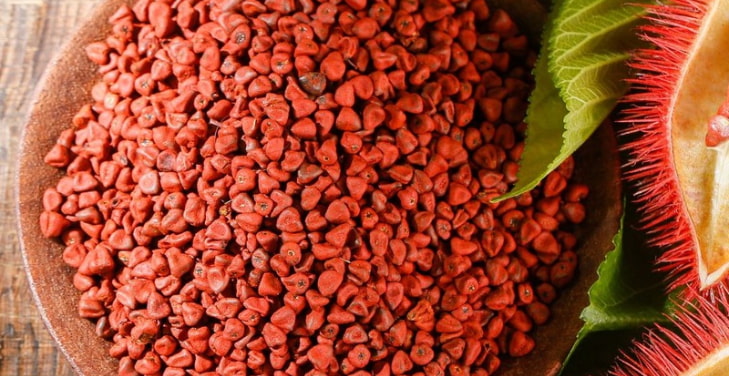
Annatto is a natural reddish-orange pigment used in cooking, food coloring, and traditional herbal preparations.
What Is Annatto?
Annatto is a plant-based ingredient with a distinctive reddish-orange color, widely used in food processing, cosmetics, and traditional health care applications. It contains many bioactive carotenoid pigments, particularly bixin and norbixin, which contribute to its color and notable antioxidant properties.
Botanical Classification and Scientific Name
Annatto's scientific name is Bixa orellana, and it belongs to the Bixaceae family. The plant originates in tropical America and grows as a shrub or small tree with broad green leaves and pink or white flowers.
Common Names and Characteristics
Annatto is also known as achiote, lipstick tree, and roucou. The fruit has soft spines, and inside are many small seeds coated with reddish-orange pigment. These seeds are the main raw material for producing annatto powder and extract.
Historical Background and Traditional Applications
Indigenous communities in Central and South America have used annatto for centuries to color food, decorate the body, and prepare traditional herbal remedies. Today, the food industry continues to exploit this ingredient as a natural coloring agent.
Nutritional Profile of Annatto
Annatto provides several nutrients and bioactive plant compounds, primarily concentrated in the seed coat and extracted oil. The nutritional value depends on the form used, processing method, and degree of refinement.
Calories and Macronutrients
Annatto seeds contain plant fats, carbohydrates, protein, and a small amount of fiber. The seed oil provides lipids and fatty acids involved in energy metabolism and cell membrane structure.
Vitamins and Minerals
Annatto contains vitamin E and several minerals, including calcium, magnesium, and potassium. The content of each micronutrient varies depending on the source and analysis method.
Carotenoids and Antioxidants
Biscine and norbicine are the two main carotenoids, giving the characteristic red-orange color. These compounds have antioxidant activity, helping protect cells against the effects of free radicals.
Bioactive Compounds
Tocotrienols, flavonoids, and phenolic compounds add bioactive value to annatto, attracting interest in nutrition and health research.
Potential Health Benefits of Annatto
Annatto contains many bioactive plant compounds, particularly carotenoids, tocotrienols, and flavonoids. These components have attracted research interest due to their antioxidant properties, ability to regulate inflammatory responses, and support for several physiological functions. Potential benefits depend on the extract composition, dosage, and individual health characteristics.
Antioxidant Properties and Cellular Protection
Bixin, norbixin, and tocotrienol help neutralize free radicals, support oxidative balance, and protect cellular structures from damage caused by oxidative stress.
Skin Health and Anti-Inflammatory Effects
Carotenoids and vitamin E in annatto may support skin cell protection, maintain the lipid barrier, and regulate certain inflammatory responses through their biological activity.
Cardiovascular and Metabolic Support
Tocotrienol has attracted attention for its potential to support lipid metabolism and cardiovascular health. Several preclinical studies have also investigated the effects of annatto extract on glucose regulation and energy metabolism.
Immune System Support
The antioxidant compounds in annatto may help maintain immune cell function and support the body's natural defense mechanisms. However, these benefits still require further clinical studies in humans to determine their actual effectiveness.
Annatto's Main Active Compounds
Annatto contains many bioactive plant compounds, mainly concentrated in the pigment layer of the seeds and the natural oil. These components contribute to its characteristic color and support antioxidant mechanisms and cellular regulation.
Bixin and Norbixin
Bixin and norbixin are the two main carotenoids in annatto. Bixin is fat-soluble, while norbixin is water-soluble. Both compounds possess antioxidant activity and contribute to the characteristic reddish-orange color.
Tocotrienols and Vitamin E Compounds
Tocotrienols, a type of vitamin E, protect cell membrane lipids from oxidation. This compound is also attracting attention due to its potential role in lipid metabolism.
Flavonoids and Phenolic Compounds
Flavonoids and polyphenols contribute to enhanced antioxidant activity, regulate inflammatory responses, and support cellular defense mechanisms.
Biological Activity
The compounds in annatto work together through multiple biological mechanisms, including neutralizing free radicals, protecting lipid structures, and regulating cellular signaling.
Common Uses of Annatto
Annatto has many applications in the food, cosmetics, and traditional healthcare industries. Its carotenoid content, particularly biscine and norbicine, gives it its characteristic reddish-orange color and valuable biological properties.
Food Coloring and Processing
Annatto is widely used as a natural coloring agent in cheeses, butter, margarine, baked goods, snacks, and some processed products. This ingredient gives food an attractive yellow-orange or reddish-orange hue.
Culinary Applications
In Latin American and Caribbean cuisine, annatto seeds are often soaked in oil or ground into powder to color and flavor rice, meat, fish, sauces, and stews.
Cosmetics and Skincare
The cosmetics industry uses annatto pigments in lipsticks, makeup products, and some skincare formulations for their natural color and carotenoid content.
Traditional Herbal Applications
Indigenous communities use annatto in traditional preparations for skincare and health. These applications reflect the long-standing cultural value of this tropical plant.
Natural Sources and Forms of Annatto
Annatto is derived from the seeds of Bixa orellana, a tropical plant rich in carotenoid pigments. It is available on the market in various forms and is used in food processing, cosmetic production, and health care products.
Annatto Seeds
Annatto seeds are reddish-orange in color and contain a high concentration of natural bixin in their outer shell. Users often soak the seeds in oil, grind them, or extract the pigment to color food.
Annatto Powder
Annatto powder is made from finely ground, dried seeds, making it convenient to mix into spices, sauces, stews, and processed foods.
Annatto Extract
Annatto extract contains carotenoids such as bixin and norbixin, with concentrations varying by production method. This form is commonly used in the food coloring industry.
Annatto Oil and Liquid Preparations
Annatto oil typically contains lipid-soluble pigments, making it suitable for frying, sautéing, and marinating food. The liquid form helps distribute the color evenly during production.
How Much Annatto Is Safe to Consume?
The safe amount of annatto depends on the product form, pigment concentration, frequency of use, and individual tolerance. Annatto is commonly found in food as a coloring agent, while concentrated extracts require greater caution regarding dosage and exposure levels.
Typical Dietary Exposure
Daily annatto consumption typically comes from cheese, butter, spices, and processed foods. Actual exposure varies depending on serving size, product formulation, and coloring agent content.
Food-Grade Annatto vs. Concentrated Extracts
Food-grade annatto in granular, powdered, and colored forms is typically used in daily diets. Extracts rich in bixin or norbixin have high concentrations of the active ingredient, so adherence to the manufacturer's instructions and food safety standards is necessary. EFSA defines the acceptable daily intake (ADI) as 6 mg bixin/kg body weight and 0.3 mg norbixin/kg body weight per day.
Factors Affecting Individual Intake
Weight, age, frequency of consumption, product composition, and tolerance affect annatto exposure. Young children require special attention due to differences in dietary intake and body weight.
Considerations for Supplements and Concentrated Products
Annatto supplements must clearly state the bixin and norbixin content and dosage. Consumers should consult a healthcare professional before regularly using concentrated extracts.
Annatto Side Effects and Potential Risks
Annatto is commonly found in food in small amounts; however, some individuals may experience adverse reactions due to sensitivities, allergies, or exposure to the concentrated extract. The level of risk depends on the dosage, product form, and health condition.
Allergic Reactions and Skin Irritation
Annatto can cause allergic reactions with symptoms such as hives, itching, rash, lip swelling, or difficulty breathing. Some cases of hypersensitivity reactions have been reported after consuming foods containing annatto.
Digestive Discomfort
Consuming large amounts of annatto may cause gastrointestinal discomfort, including abdominal pain, nausea, and diarrhea. Symptom severity varies depending on individual tolerance.
Medication Interactions
Data on interactions between annatto and medications is currently limited. Individuals taking long-term medications should consult a healthcare professional before adding annatto extract to their regimen.
Pregnancy and Breastfeeding Safety
Information on the safety of annatto supplements during pregnancy and breastfeeding is limited. Pregnant or breastfeeding women should prioritize the normal amount of annatto in their diet and consult with their doctor before using concentrated products.
Who Should Avoid Annatto?
Annatto is suitable for many food uses; however, certain groups of people need to be especially cautious due to the risk of allergies, tolerance, and individual health conditions. Assessing safety requires considering the product form, dosage, and history of reactions to food additives.
Individuals with Annatto Allergies
Individuals who have experienced hives, itching, lip swelling, or difficulty breathing after contact with annatto should avoid products containing this ingredient. A history of allergies helps doctors assess the risk of hypersensitivity reactions.
People with Food Sensitivities
Individuals with sensitive digestive systems or who frequently experience reactions to food additives should monitor their tolerance when using annatto.
Individuals Taking Regular Medications
Individuals taking long-term medications should consult their doctor before supplementing with concentrated annatto extract, especially if they have multiple medications in their treatment regimen.
Children and Vulnerable Populations
Young children, pregnant women, breastfeeding mothers, and individuals with chronic illnesses should pay attention to dosage, product origin, and usage instructions. Healthcare professionals can help assess the appropriate safety level for each individual.
Conclusion
Annatto (Bixa orellana) is a rich source of carotenoids, tocotrienols, and antioxidant plant pigments, valuable in nutrition, food processing, and cosmetics. Bixin and norbixin contribute to its characteristic color and attract attention due to their potential biological benefits.
Using annatto requires careful attention to dosage, product quality, and tolerability. Individuals with a history of allergies, pregnant women, and those using long-term medications should consult a healthcare professional to ensure safety.
Frequently Asked Questions (FAQs)
- What Is Annatto Made From? – Annatto comes from the seeds of the Bixa orellana tree, a tropical plant belonging to the Bixaceae family. The seed coat contains carotenoids, particularly bixin and norbixin, which give annatto its characteristic reddish-orange color.
- What Are the Main Health Benefits of Annatto? – Annatto contains carotenoids, tocotrienols, and flavonoids with potential antioxidant activity. These plant compounds are being studied for their possible roles in protecting cells from oxidative stress, supporting skin health, and regulating inflammatory responses. Human clinical evidence remains limited.
- Is Annatto Safe to Eat Every Day? – Annatto is generally considered safe when consumed in customary amounts as a food coloring or culinary ingredient. Safety depends on the amount consumed, frequency of use, product formulation, and individual tolerance. Concentrated extracts and supplements require additional caution and should be used according to product instructions.
- Can Annatto Cause Allergic Reactions? – Annatto may trigger allergic reactions in sensitive individuals, with symptoms such as itching, hives, skin rashes, and lip swelling. Severe reactions may cause difficulty breathing or throat swelling and require immediate emergency medical attention.
- What Foods Commonly Contain Annatto? – Annatto is commonly used in cheeses, butter, margarine, baked goods, condiments, and sauces. Food manufacturers use annatto extracts to produce yellow-orange, orange, and reddish-orange colors in various products.
