
What do you know about anise hyssop, the herb with a mild licorice scent that appears in many traditional tea recipes? What plant compounds does it contain that may support health?
Anise hyssop contains aromatic essential oils, flavonoids, and natural antioxidants. Its leaves and flowers are used in tea making, cooking, and folk health care. Let's explore the nutritional composition, potential benefits, uses, and safety precautions of this herb.
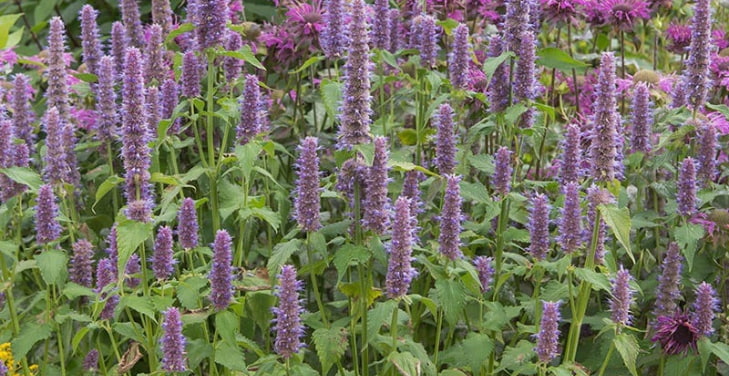
Anise hyssop is an aromatic herb traditionally used in herbal teas, cooking, and natural wellness preparations.
What Is Anise Hyssop?
Anise hyssop is a fragrant herb widely used in cuisine, herbal teas, and traditional health preparations. Its leaves, flowers, and young stems contain numerous bioactive plant compounds, contributing to its sweet aroma and diverse applications.
Botanical Name and Plant Classification
Anise hyssop, scientifically known as Agastache foeniculum, belongs to the Lamiaceae family, the same family as mint, basil, and rosemary. It is a perennial herbaceous plant with an upright stem and leaves rich in aromatic essential oils.
Origin and Appearance
This plant is native to North America and is particularly common in grasslands and temperate climates. It typically grows 60–120 cm tall, bearing lance-shaped leaves with serrated edges and striking clusters of small, purplish-blue flowers.
Common Names and Distinctive Aroma
Anise hyssop is also known as licorice mint, blue giant hyssop, or fragrant giant hyssop. The leaves emit a mild licorice aroma, combined with hints of mint and anise, thanks to the natural aromatic compounds in its essential oil. This characteristic gives anise hyssop its unique value in tea making, cooking, and herbal recipes.
Anise Hyssop Nutrition and Active Compounds
Anise hyssop contains many natural plant compounds, especially volatile essential oils, flavonoids, and antioxidants. The plant's chemical composition creates its characteristic aroma and contributes to its potential applications in nutrition and healthcare.
Essential Nutrients and Plant Compounds
Anise hyssop leaves provide small amounts of vitamins, minerals, and plant compounds. Nutritional content varies depending on growing conditions, harvest time, and processing methods.
Volatile Oils
Anise hyssop essential oil contains aromatic compounds such as estragole, anethole, and limonene. These molecules contribute to the licorice-like aroma and are attracting research interest for their biological activity and antimicrobial properties.
Flavonoids and Antioxidants
Flavonoids and phenolic compounds contribute to the plant's antioxidant activity. These components help neutralize free radicals, supporting research into cell protection and maintaining overall health.
Potential Health Benefits of Anise Hyssop
Anise hyssop contains numerous plant compounds that may support health through antioxidant activity, regulation of inflammatory responses, and effects on the digestive and respiratory systems. These properties form the basis for many applications in traditional herbal medicine.
Antioxidant Activity and Cellular Protection
Flavonoids and phenolic compounds in anise hyssop help neutralize free radicals, limit oxidative stress, and support cellular stability. This activity has attracted research interest for long-term health protection.
Potential Anti-Inflammatory Properties
Several plant compounds in the plant may help regulate inflammatory responses through biological mechanisms related to oxidative stress and cellular signaling.
Digestive and Respiratory Support
Anise hyssop has a history of use in folk medicine to aid digestion, soothe the throat, and relieve respiratory discomfort. These applications are largely based on traditional experience, with limited clinical evidence in humans.
Anise Hyssop for Digestive and Respiratory Health
Anise hyssop has a history of use for digestive and respiratory care because of its essential oil aroma and bioactive plant compounds. The leaves are often found in herbal teas and folk remedies to improve overall well-being.
Digestive Comfort
Anise hyssop is commonly used to help relieve bloating, gas, and indigestion. The aroma of its essential oils contributes to a relaxing experience after meals, while its plant compounds are noted for their impact on digestive function.
Respiratory and Throat Support
In folk medicine, anise hyssop tea is often used for mild coughs, dry throats, and respiratory irritation. The warm tea soothes the throat, replenishes fluids, and provides comfort.
Aromatic Compounds and Biological Effects
Estragole, anethole, and limonene contribute to the characteristic aroma and show potential biological applications in antimicrobial and anti-inflammatory research. Therapeutic applications still require further clinical evidence.
Anise Hyssop Tea: Preparation and Uses
Anise hyssop tea is an herbal beverage with a mild licorice flavor, offering a relaxing experience and replenishing natural plant compounds. Users can brew the tea from fresh or dried leaves depending on preference and availability.
Fresh and Dried Leaves
Both fresh and dried anise hyssop leaves are suitable for brewing tea. Dried leaves usually have a more concentrated aroma, making them convenient for long-term storage and use.
Brewing Methods and Steeping Time
Use about 1–2 teaspoons of dried leaves or a small handful of fresh leaves with 200–250 ml of hot water. Steep the tea for 5–10 minutes, then strain and enjoy. A little honey enhances the natural sweetness.
Traditional Uses of Anise Hyssop Tea
Tea is often used in traditional care methods to aid digestion, soothe the throat, and promote relaxation. Adults should start with a small amount to assess their tolerance.
Culinary Uses of Anise Hyssop
Anise hyssop has a light licorice-like aroma, with hints of mint and anise, adding a unique touch to many dishes and drinks. Young leaves, flowers, and tender tips can enhance the flavor and aesthetic appeal of everyday menus.
Flavoring Salads and Desserts
Finely chopped fresh leaves suit salad dressings, fruit garnishes, and pastries, adding fragrance. The mild herbal scent harmonizes well with honey, lemon, apple, and other naturally sweet ingredients.
Beverages and Herbal Blends
Anise hyssop is often used in hot and cold teas, fruit juices, and herbal blends. The fresh leaves create a pleasant aroma, providing a refreshing experience.
Edible Flowers as Garnishes
The bluish-purple flowers can decorate cakes, salads, and desserts, adding natural color to dishes.
Anise Hyssop Side Effects and Potential Risks
Anise hyssop contains essential oils and many bioactive plant compounds. Using large amounts or concentrated preparations may cause adverse reactions, depending on individual sensitivities, dosage, and health conditions.
Allergic Reactions and Sensitivity
Some people may experience allergic reactions to anise hyssop, especially those sensitive to herbs in the Lamiaceae family. Common symptoms include itching, hives, rashes, and skin irritation.
Digestive Discomfort
Using large amounts of anise hyssop leaves or tea may cause gastrointestinal discomfort, including nausea, abdominal pain, and digestive upset. Users should start with small amounts to assess tolerance.
Concentrated Extracts and Essential Oil Risks
Anise hyssop essential oil contains volatile compounds, including estragole. Oral use of essential oils or concentrated preparations requires caution because toxicity risk depends on the dose and duration of exposure.
Who Should Use Anise Hyssop With Caution?
Anise hyssop contains essential oils and bioactive plant compounds, so certain groups should use it with caution. Health status, age, and individual tolerance play a significant role in determining the appropriate dosage.
Pregnant and Breastfeeding Individuals
Pregnant and breastfeeding women should consult a healthcare professional before using anise hyssop for herbal purposes. Data on the effects of essential oil compounds on pregnancy and infants are currently limited.
Children and People With Herb Allergies
Young children should be supervised when exposed to herbal preparations. Individuals with a history of allergies to mint, basil, or plants in the Lamiaceae family should exercise particular caution.
Medication Use and Chronic Conditions
Individuals with chronic illnesses or those taking long-term medications should consult their doctor before using anise hyssop extract. Concentrated essential oils require strict control over dosage and usage.
How to Grow, Harvest, and Store Anise Hyssop
Anise hyssop is a perennial herb that is easy to care for and adapts well to many temperate climates. Choosing the right soil, light, and harvesting time helps maintain the natural aroma and essential oil quality in the leaves and flowers.
Soil, Sunlight, and Watering
Anise hyssop thrives in loose, nutrient-rich, well-draining soil. It prefers about 6 hours of direct sunlight per day and needs adequate watering to keep the soil moist.
Harvesting Leaves and Flowers
Harvest the leaves when the plant is healthy, usually before or at the beginning of the flowering season. Harvest flowers when the clusters of bluish-purple flowers are in full bloom, and the plant has its characteristic fragrance.
Drying and Storage
Leaves and flowers should be dried in the shade in a well-ventilated area or dried at a low temperature. To preserve their aroma, store dried herbs in an airtight container in a cool place away from direct sunlight.
Anise Hyssop vs. Anise: Key Differences
Both anise hyssop and anise possess a distinctive aroma reminiscent of licorice and are found in traditional cuisine and health practices. These two plants have distinct biological characteristics, essential oil compositions, and uses.
Botanical Classification and Plant Characteristics
Anise hyssop (Agastache foeniculum) belongs to the Lamiaceae family and grows as a perennial herbaceous plant with green leaves and bluish-purple flowers. Anise (Pimpinella anisum) belongs to the Apiaceae family and is an annual herbaceous plant that produces small, fragrant fruits containing essential oils.
Flavor and Aromatic Compounds
Anise hyssop has a minty, licorice scent, while anise has a characteristic sweet anise aroma due to anethole. The essential oil composition contributes to each plant's unique flavor profile.
Culinary and Traditional Uses
Anise hyssop is commonly used to make tea, garnish dishes, and prepare pastries. Anise is popular in spices, baked goods, anise tea, and herbal recipes that aid digestion.
Conclusion
Anise hyssop (Agastache foeniculum) is an herb rich in aromatic plant compounds, flavonoids, and antioxidants, offering numerous applications in traditional cuisine and healthcare.
The leaves and flowers are suitable for making tea, preparing dishes, and adding natural flavor. However, pregnant women, young children, and individuals with underlying health conditions should use it with caution.
Choosing a quality source of herbs, using appropriate dosages, and employing safe preparation methods will enhance the benefits of anise hyssop.
Frequently Asked Questions (FAQs)
- What Is Anise Hyssop Used For? – Anise hyssop is commonly used to prepare herbal tea, flavor foods, and support traditional wellness practices. Its leaves and flowers contain essential oils and flavonoids that contribute to its distinctive aroma and potential antioxidant activity.
- What Are the Health Benefits of Anise Hyssop? – Anise hyssop contains plant compounds with potential antioxidant properties that may help regulate inflammatory responses and support digestive well-being. Current evidence comes primarily from preliminary research and traditional use, with clinical studies in humans remaining limited.
- Can You Drink Anise Hyssop Tea Every Day? – Healthy adults may enjoy anise hyssop tea in moderation as part of their regular beverage choices. The appropriate frequency depends on individual tolerance, health conditions, and preparation strength. Evidence supporting the long-term safety of daily consumption remains limited.
- What Are the Side Effects of Anise Hyssop? – Anise hyssop may cause allergic reactions, skin irritation, nausea, or gastrointestinal discomfort in sensitive individuals. Its concentrated essential oil contains potent aromatic compounds and requires careful handling and appropriate dilution.
- Is Anise Hyssop Safe During Pregnancy? – The safety of anise hyssop during pregnancy and breastfeeding has not been adequately established. Pregnant and breastfeeding individuals should consult a healthcare professional before using it medicinally, particularly in the form of essential oils or concentrated extracts.
