
Allspice contains eugenol, an aromatic compound with notable bioactive properties and potential antioxidant and antimicrobial effects. This tropical spice also provides numerous polyphenols and flavonoids valuable for nutritional research.
However, the amount of allspice you consume each day plays a crucial role in your health. Serving size, preparation method, and form of use all affect safety levels.
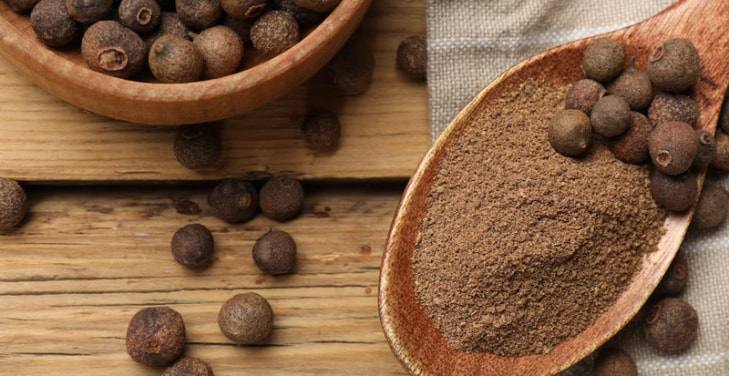
Allspice adds flavor to everyday meals and provides aromatic plant compounds in small culinary servings.
What Is Allspice?
Allspice is a plant-based spice widely used in cuisine due to its warm aroma, mild spiciness, and diverse bioactive compounds. This spice provides natural antioxidants, contributing to its nutritional value and potential health benefits.
Botanical Overview of Allspice
Allspice, scientifically known as Pimenta dioica, belongs to the Myrtaceae family and originates from the Caribbean and Central America. The plant thrives in tropical climates and produces small berries containing many characteristic aromatic compounds.
Nutritional Characteristics and Active Compounds
Allspice contains polyphenols, flavonoids, and natural essential oil compounds. Eugenol plays a crucial role in its characteristic aroma and has shown antioxidant and antibacterial activity in experimental studies.
Common Forms of Allspice
Allspice is commonly available in three forms: whole fruit, powder, and extract. Whole fruit is often used in stews, soups, and marinades; powder suits baked goods, beverages, and everyday dishes. Extracts provide a concentrated form of the compound for specialized uses.
Is There a Recommended Daily Amount of Allspice?
Allspice provides bioactive plant compounds that contribute flavor and antioxidants to the diet. The recommended daily intake depends on the form of the spice, frequency of use, and individual tolerance.
General Daily Intake
Adults can use approximately ¼–½ teaspoon of allspice powder daily, equivalent to about 0.5–1.2 g, as a general seasoning in food. This is a culinary reference, not a therapeutic dose established through clinical trials.
Culinary Use and Concentrated Preparations
People typically use 2–4 whole allspice pods per cooking session. Extracts and essential oils contain high concentrations of eugenol, so follow manufacturer-specific instructions.
Factors Influencing Daily Intake
Digestive tolerance, health status, pregnancy, and medications affect the appropriate amount of allspice.
How Much Ground Allspice Can You Consume Per Day?
Allspice powder offers a rich aroma along with plant-based compounds with antioxidant properties. For healthy adults, adjust the daily amount based on cooking purpose, taste, and digestive tolerance.
Typical Daily Serving Size
Adults can use about ¼–½ teaspoon of allspice powder per day, or 0.5–1.2 g. This amount is suitable for flavoring common dishes.
Incorporating Ground Allspice into Meals
You can add allspice powder to soups, stews, casseroles, roasted vegetables, and bread. When making tea, about ¼ teaspoon provides a warm, pleasant aroma.
Adjusting Intake and Tolerance
New users should start with about ⅛ teaspoon per day, then adjust according to their digestive response. Small, consistent portions help control daily spice intake.
How Much Whole Allspice Per Day?
Whole allspice provides a distinctive aroma and natural plant compounds, making it suitable for adding to many everyday dishes. Serving size depends on pod size, cooking method, and desired flavor.
Typical Daily Serving Size
Adults can use approximately 2–4 whole allspice pods per day in typical dishes. This amount serves as a reference serving of spice and is not a therapeutic dose established through clinical studies.
Using Whole Allspice in Cooking
Whole allspice pods work well in soups, broths, stews, and marinades. When cooking, about 2–3 pods release a warm aroma and add depth to the dish.
Whole Berries and Ground Spice Measurements
One teaspoon of allspice powder is about 4–6 ground whole pods, depending on size and fineness. Cooks should grind just enough to control flavor and serving size.
Allspice Tea and Daily Consumption
Allspice tea is an aromatic herbal beverage with a mildly spicy flavor and contains natural plant compounds such as eugenol and polyphenols. People often drink it after meals for a pleasant feeling and to add flavor to daily routines.
Preparing Allspice Tea
To make tea, use 2–3 whole allspice pods or about ¼ teaspoon of allspice powder with 250 ml of hot water. Simmer for 5–10 minutes, then strain and enjoy while warm.
Daily Consumption Amount
Adults can start with 1 cup of tea per day (200–250 ml), using about 2–3 allspice pods. This amount is for reference only and for enjoyment; no clinical studies have established a therapeutic dose.
Factors Affecting Tea Concentration
Brewing time, fruit size, and the degree of grinding directly affect the flavor and concentration of compounds in tea.
Allspice Extract and Essential Oil Dosage
Allspice extract and essential oil contain bioactive aromatic compounds, particularly eugenol. The content of active compounds depends on the raw material, extraction method, and production process. Therefore, concentrated preparations require careful attention to concentration and safety instructions.
Differences Between Extracts and Essential Oils
Allspice extract usually contains plant compounds extracted from the fruit, while essential oils concentrate more volatile components. Eugenol contributes to the characteristic aroma and bioactivity of these preparations.
Concentration of Active Compounds
Eugenol, methyl eugenol, and terpene compounds contribute to the chemical properties of allspice essential oil. The concentration of each component varies by raw material and extraction method.
Dosage and Safety Instructions
Clinical studies have not established a safe daily oral dose for allspice extract or essential oil. Follow the manufacturer's instructions, avoid ingesting pure essential oils without consulting a healthcare professional, and seek advice before using concentrated products.
Potential Benefits of Consuming Allspice
Allspice contains many bioactive plant compounds, particularly polyphenols, flavonoids, and eugenol. These components contribute to its potential antioxidant properties, support digestive health, and protect the body against certain microorganisms. These benefits are currently based primarily on experimental research.
Antioxidant Activity
Polyphenols and flavonoids in allspice neutralize free radicals, reducing oxidative stress and protecting cells. This antioxidant activity has attracted interest in nutritional and metabolic health research.
Antimicrobial Properties
Eugenol and essential oil compounds exhibit antibacterial and antifungal activity in laboratory studies. These properties open up potential applications of allspice in food preservation and microbial control research.
Digestive Comfort
Allspice has been used in folk medicine to aid digestion, reduce bloating, and promote a warming sensation in the stomach. The aromas and volatile compounds contribute to these traditional applications.
Side Effects of Excessive Allspice Consumption
Allspice contains eugenol and many other bioactive aromatic compounds. Consuming large amounts, especially in extracts or concentrated essential oils, can cause adverse reactions in the digestive system, skin, and overall health. The degree of impact depends on the dosage and individual sensitivity.
Digestive Irritation
Consuming too much allspice can irritate the digestive tract, leading to nausea, abdominal pain, heartburn, or diarrhea. The high content of aromatic compounds may increase discomfort in people with sensitive digestive systems.
Allergic Reactions
Some people may experience allergic reactions to allspice, including itchy mouth, rash, hives, or swollen lips. Severe cases can cause breathing difficulties and anaphylaxis and require immediate medical attention.
Risks of Concentrated Essential Oils
Allspice essential oil contains volatile compounds in high concentrations. Ingesting pure essential oils can cause mucosal irritation, poisoning, and liver damage when exposed to large amounts of eugenol.
Factors That Influence Safe Daily Allspice Intake
The appropriate daily allspice intake depends on individual diet, health status, age, and tolerance. Assessing these factors helps manage spice intake, minimize irritation risk, and maintain safe usage habits.
Overall Diet and Consumption Frequency
The total amount of spices consumed daily affects exposure to eugenol and other aromatic compounds. Those who frequently use cloves, cinnamon, and allspice should monitor their total intake, especially when combining multiple concentrated preparations.
Pregnancy and Individual Health Conditions
Pregnant women, breastfeeding mothers, and individuals with liver disease or digestive disorders should exercise caution with allspice extracts and essential oils. Adjust typical spice intake based on individual health conditions.
Medication Interactions and Professional Guidance
Eugenol can affect blood clotting in large amounts. Individuals taking anticoagulants, antiplatelet drugs, or preparing for surgery should consult their doctor before using concentrated allspice preparations.
Conclusion
Allspice offers a distinctive flavor and plant compounds with potential antioxidant and antibacterial properties. Using about ¼–½ teaspoon of allspice powder daily can help supplement a regular diet.
Consumers should pay attention to portion sizes, tolerance, and individual health conditions. In particular, use allspice essential oils and extracts cautiously to minimize the risk of irritation and side effects.
Frequently Asked Questions (FAQs)
- How Much Allspice Should You Consume Daily? – Adults can use approximately ¼–½ teaspoon of allspice powder daily as part of a regular diet. This amount serves as a culinary reference for flavoring foods and adding plant compounds. It is not an established therapeutic or supplement dosage.
- Can You Drink Allspice Tea Every Day? – Adults may enjoy an occasional 200–250 ml cup of allspice tea prepared with 2–3 whole allspice berries. Evidence supporting the safety of daily long-term consumption remains limited, so moderate intake is advisable.
- Is Ground Allspice Better Than Whole Allspice? – Ground allspice is convenient for seasoning and portion control, while whole allspice berries work well in soups, broths, and stews. Both forms provide a distinctive aroma and naturally occurring plant compounds.
- What Happens If You Consume Too Much Allspice? – Excessive allspice consumption may cause nausea, stomach pain, heartburn, or diarrhea. Concentrated essential oil carries additional risks of irritation and toxicity, particularly when swallowed in large amounts.
- Is Allspice Extract Safe for Daily Use? – Allspice extract contains plant compounds at concentrations that vary according to the extraction process and product formulation. Follow the manufacturer's instructions and consult a healthcare professional before regular use, especially during pregnancy or when taking anticoagulant medications.
