
Agrimony is an herb rich in tannins and polyphenols, with a long history of use in traditional European medicine. This plant has attracted attention for its potential digestive health benefits and the antioxidant properties of its compounds.
So, how much agrimony should you consume daily to suit your individual needs? From herbal teas to concentrated extracts, this guide covers dosage, benefits, and safety precautions to help you understand this plant.
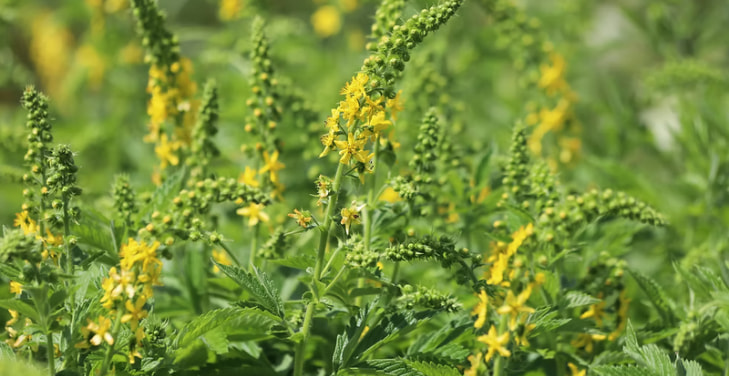
Agrimony can be consumed as herbal tea or extracts, with intake depending on preparation and product concentration.
What Is Agrimony?
Agrimony is the common name for plants belonging to the genus Agrimonia, family Rosaceae. This herb has a long history of use in traditional European medicine, particularly in preparations that aid digestion and care for mucosal health. Agrimony's chemical composition is of particular interest because of its high content of natural tannins and polyphenols.
Botanical Overview and Traditional Herbal Applications
Agrimony typically grows in meadows, along forest edges, and in temperate climates. The plant has an upright stem, compound leaves with serrated edges, and small yellow flower clusters. In folk medicine, people use the above-ground parts of the plant to make tea or process them into herbal forms for traditional health purposes.
Common Forms Used in Herbal Preparations
Common agrimony preparations include tea from dried plant material, liquid extracts, tinctures, and herbal supplements. Each form has its own characteristics regarding usage and active-ingredient concentration. Users should consult the instructions on the product label to choose the appropriate method of use.
Active Plant Compounds
Agrimony contains tannins, flavonoids, and other bioactive polyphenol compounds. Tannins provide the characteristic astringent taste, while researchers have studied flavonoids and polyphenols for their antioxidant properties. These properties help explain interest in agrimony in medicinal research and highlight the need to evaluate its efficacy and safety in humans further.
Is There a Recommended Daily Dose of Agrimony?
A recommended daily dose of agrimony has not been fully established through clinical trials. However, the European Medicines Agency (EMA) monograph provides a traditional dosage for Agrimonia eupatoria that adults can use when choosing a suitable preparation.
Traditional Daily Dosage
For agrimony tea, the traditional dosage is 1.5–4 g of dried herb per serving, brewed with up to 250 ml of boiling water and drunk 2–3 times per day. This amounts to about 3–12 g of dried herb per day.
Factors Affecting the Recommended Amount
The dosage depends on the preparation form, the extract concentration, and the intended use. The EMA also notes a reference dose for adults of 1–4 ml of tincture, 3 times a day, or 1–3 ml of liquid extract, 3 times a day.
Safety and Clinical Evidence
These levels reflect traditional use and provide a basis for product selection. Users should follow label instructions and consult a healthcare professional before prolonged use. The EMA recommends agrimony for individuals over 12 years of age; safety data during pregnancy and breastfeeding are limited.
How Much Agrimony Tea Per Day?
Agrimony tea is a traditional herbal remedy, typically made from dried stems, leaves, and flowers. The daily amount depends on the quantity of herbs, the volume of water, and the intended use. Adults can refer to the European Medicines Agency (EMA) traditional usage guidelines to determine an appropriate dosage.
Recommended Daily Amount
According to the EMA monograph, adults can use 1.5–4 g of dried agrimony per serving, brewed with approximately 250 ml of boiling water, up to 2–3 times per day. The total amount of herbs used is approximately 3–12 g/day. This applies to traditional adult use.
How to Prepare Agrimony Tea
Add the weighed herbs to boiling water, steep for 5–10 minutes, then strain and drink. Adjust the steeping time according to product instructions to achieve the desired strength.
Factors Affecting Tea Strength
The amount of herbs, particle size, and steeping time all affect tea strength. Users should start with the packaging instructions, monitor their body's reaction, and consult a healthcare professional if they plan to use it regularly.
Agrimony Extract and Supplement Dosage
Agrimony is currently available as a liquid extract, tincture, and tablet-form herbal supplement. The appropriate dosage depends on the extract concentration, the ratio of medicinal herbs, and the manufacturing method. Users should carefully check the ingredient information to determine the daily dose.
Liquid Extracts and Tinctures
According to the European Medicines Agency (EMA) Traditional Use Monograph, adults can take 1–3 ml of liquid extract or 1–4 ml of tincture three times daily, depending on the specific preparation. These levels apply to the extract forms described in the monograph.
Capsules and Herbal Supplements
Agrimony capsules may contain dried plant powder or concentrated extract. Users should follow the label dosage, paying attention to each capsule's contents and the number of doses per day.
Safe Dosage Practices
Adults should consult a healthcare professional before combining agrimony with other medications or using it for extended periods. Traditional dosage levels are for informational purposes only; clinical evidence remains limited.
Factors That Influence Daily Agrimony Intake
The daily amount of agrimony depends on age, health condition, preparation form, and purpose of use. These factors affect tolerance, exposure to plant compounds, and the appropriateness of each individual's dose.
Age and Individual Sensitivity
Adults should choose their dosage based on the preparation's instructions. Children, older people, and those with sensitivities should consult a healthcare professional before use, especially when used regularly.
Health Conditions and Medication Use
Individuals with digestive, liver, or kidney disease should assess their suitability before supplementing with agrimony. The plant's tannins may affect nutrient absorption. Individuals taking long-term medications should discuss potential interactions with their doctor or pharmacist.
Preparation Method and Concentration
Tea made from 1.5–4 g of dried herb per serving differs from tablets containing concentrated extracts. The active-ingredient concentration, extraction solvent, and number of daily doses all determine the total amount of the compound the body receives.
Potential Benefits of Agrimony at Traditional Doses
Agrimony (Agrimonia eupatoria) has a history of use in traditional European medicine, particularly in preparations that aid digestion and soothe mild irritations of the oral and throat mucosa. This herb's potential is linked to its tannin, flavonoid, and natural polyphenol compounds.
Traditional Digestive Applications
In folk medicine, people often use agrimony tea to support mild digestive issues, such as transient diarrhea. Its tannin content provides astringent properties, supporting this traditional use. Users should monitor symptoms and stay well hydrated when experiencing digestive upset.
Antioxidant Properties
Agrimony contains flavonoids and polyphenols that experimental studies show have antioxidant activity. These compounds can neutralize free radicals, which has attracted the attention of herbal researchers.
Evidence from Human Research
Clinical evidence in humans on the effectiveness of agrimony remains limited. Traditional applications provide a basis for initial research, but appropriately sized, controlled trials still need to evaluate specific benefits.
Side Effects of Taking Too Much Agrimony
Agrimony contains tannins and bioactive polyphenol compounds, so the amount and duration of use may affect the body's tolerance. Use concentrated preparations and excessive doses with caution, especially if you have a sensitive digestive system.
Digestive Discomfort
High tannin content may cause nausea, abdominal discomfort, or constipation in some people. Users should watch for changes in digestion, follow product instructions, and maintain a balanced diet.
Allergic Reactions and Individual Sensitivity
Agrimony may cause allergic reactions in people sensitive to plant components, manifested as itching, rash, or hives. If you experience swelling of the lips or tongue, or difficulty breathing, seek immediate medical attention.
Risks of Prolonged or Concentrated Use
Prolonged use or concentrated extracts may increase the risk of adverse effects. Safety data is currently limited, so users should consult a doctor before maintaining high doses or using continuously.
Agrimony Interactions and Safety Precautions
Agrimony contains tannins and polyphenol compounds that may affect the body's tolerance with regular use. Users should consider their diet, medications, and health conditions when choosing appropriate use, especially with strong tea or extracts.
Tannins and Nutrient Absorption
Agrimony's tannins can bind to iron and reduce absorption from some food sources. Individuals at risk of iron deficiency should discuss when to drink the tea with a healthcare professional, especially when taking iron supplements.
Potential Medication Interactions
Clinical data on drug interactions between agrimony and medications are limited. People taking long-term or multiple medications should consult their doctor or pharmacist before use to assess specific risks.
Practical Safety Precautions
Adults should follow the label dosage and monitor their body's response. Prolonged use, using multiple products at the same time, or higher doses require professional guidance. If unusual symptoms appear, users should stop using the product and seek appropriate medical advice.
Who Should Avoid Agrimony or Seek Medical Advice?
Agrimony is an herb with a history of use in traditional medicine; however, its safety depends on age, health condition, and the form of preparation. Certain groups require careful evaluation before use to minimize the risk of adverse effects and ensure appropriate healthcare.
Pregnancy and Breastfeeding
Pregnant or breastfeeding women should consult their doctor before using agrimony. Data on the effects of this herb on the fetus and breastfeeding infant is limited, so healthcare professionals need to assess the benefits and risks on a case-by-case basis.
Children and Older Adults
The EMA notes the traditional use of agrimony for those over 12 years of age. Young children should use it only under a doctor's guidance. Older adults should consider their digestive function, nutritional status, and current medications.
Chronic Conditions and Medication Use
Individuals with liver disease, kidney disease, chronic digestive disorders, or iron deficiency should consult their doctor before use. Those taking multiple medications should also have their potential for drug interactions assessed to ensure safe treatment options.
Conclusion
Agrimony contains tannins, flavonoids, and polyphenols and is traditionally used to support digestion and care for the mucous membranes. The daily dose depends on the preparation form, extract concentration, and individual tolerance.
Adults should follow the instructions for use, monitor their body's reaction, and consult a healthcare professional when using it long-term. Pregnant women, children, and those undergoing medical treatment should consult a healthcare professional before using agrimony.
Frequently Asked Questions (FAQs)
- How Much Agrimony Can You Take Per Day? – Traditional use suggests approximately 3–12 g of dried agrimony per day for adults, divided into 2–3 tea infusions. However, a standardized, evidence-based daily dose has not been established. The appropriate amount depends on the preparation, health status, and professional guidance.
- How Much Agrimony Tea Should You Drink Daily? – A traditional preparation may use 1.5–4 g of dried agrimony per infusion in about 250 ml of hot water, up to 2–3 times daily. Safety data for this schedule are limited, so follow product instructions and consult a healthcare professional before regular use.
- What Are the Benefits of Taking Agrimony? – Agrimony is traditionally used to support digestion and soothe mild irritation in the mouth and throat. Its tannins and flavonoids have attracted research interest, but reliable clinical evidence confirming its effectiveness in humans remains limited.
- What Are the Side Effects of Agrimony? – Agrimony may cause nausea, abdominal discomfort, constipation, or allergic reactions in sensitive individuals. Its tannins may also reduce iron absorption. Discontinue use and seek medical advice if unusual or persistent symptoms occur.
- Who Should Avoid Taking Agrimony? – Pregnant women, breastfeeding mothers, children, and people with chronic illnesses should consult a healthcare professional before using agrimony. Those taking long-term medications or iron supplements should also discuss potential interactions and effects on nutrient absorption.
