
Polydextrose is commonly found in high-fiber foods, reduced-calorie products, and many processed food formulations. This ingredient supports fiber intake and can produce noticeable changes in digestive function.
The main concern is gut tolerance. High levels of polydextrose can promote bloating, abdominal distension, cramping, loose stools, and changes in bowel habits in some individuals.
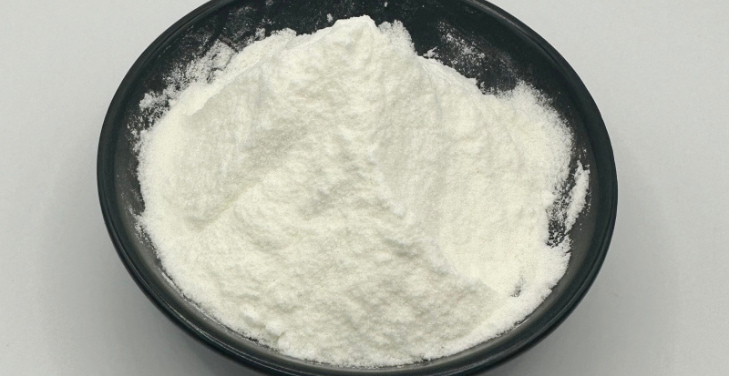
Excessive polydextrose intake may cause bloating, gas, abdominal discomfort, and changes in bowel habits.
What Is Polydextrose?
Polydextrose is a synthetic soluble fiber, commonly found in low-calorie, high-fiber food products that help control food texture. Polydextrose's unique structure allows it to pass through most of the digestive tract, including the small intestine, and continue interacting with the gut microbiota in the colon.
Synthetic Soluble Fiber
Polydextrose is made from glucose, sorbitol, and a small amount of citric acid, which polymerize into relatively digestible carbohydrate chains. This ingredient provides fiber with low energy density.
Role in Food Products
Manufacturers use polydextrose to increase fiber content, improve texture, and promote satiety in many processed foods. It also affects moisture content and texture.
How Polydextrose Works
In the colon, gut bacteria partially ferment polydextrose and produce metabolites such as short-chain fatty acids. The amount consumed, tolerance, and individual digestive characteristics determine the response level.
Common Side Effects of Polydextrose
Polydextrose often causes digestive reactions when consumption increases rapidly, or the body is highly sensitive to fermentable fiber. The severity depends on portion size, overall diet, and the digestive system's adaptability.
Bloating and Gas
Fermenting polydextrose in the colon can increase gas production, leading to bloating, abdominal distension, and fullness. The gut microbiota uses some polydextrose as a fermentation substrate, producing metabolic byproducts and intestinal gas.
Abdominal Discomfort
Some people may experience mild cramping, discomfort, or gurgling in the stomach after consuming high amounts of polydextrose. The rate of increase in dietary fiber also directly affects tolerance.
Changes in Bowel Habits
Polydextrose can alter stool softness and bowel frequency. The amount consumed, the amount of water drunk, and total daily fiber intake all contribute to the gut's response.
Digestive Problems From Excessive Polydextrose
High amounts of polydextrose over a short period can put significant pressure on the digestive system. Symptoms often relate to fiber fermentation and rapid changes in gut activity.
Rapid Fiber Intake
A sudden increase in polydextrose causes the digestive system to adapt to the fiber, fermenting more quickly. This process can promote bloating, abdominal distension, rumbling, and a feeling of fullness in the abdomen.
Fermentation and Gas Production
Gut bacteria ferment polydextrose in the colon, producing short-chain fatty acids and gas products. The higher the polydextrose level, the greater the fermentation activity, which can easily cause discomfort in people with sensitive digestive systems.
Gradual Fiber Increase
The body usually adapts better when fiber intake increases gradually. Dividing polydextrose into smaller portions throughout the day, combined with adequate water intake and maintaining a balanced diet, helps the digestive system adapt more easily.
Polydextrose and Diarrhea
Polydextrose can affect stool consistency and bowel-movement frequency, especially when fermentable fiber intake increases rapidly. Digestive response depends on the amount consumed, tolerance, and overall diet.
Loose Stools
High amounts of polydextrose can promote bowel activity and soften stools. Some people may experience loose stools, frequent bowel movements, or a feeling of needing to defecate after consuming large portions.
Fermentable Fiber Intake
Colonic bacteria ferment polydextrose, producing metabolites and altering the intestinal environment. Rapidly increasing fermentable fiber intake can increase digestive activity and contribute to diarrhea in sensitive individuals.
Hydration and Portion Size
Drinking enough water supports the adaptation process to fiber. Dividing polydextrose into smaller portions throughout the day helps the body regulate better, especially when total fiber intake is high.
Polydextrose and Gut Microbiome Effects
Polydextrose interacts with the gut microbiota through fermentation in the colon. This activity can affect the gut environment, fiber metabolism, and bacterial products.
Bacterial Fermentation
Some polydextrose travels to the colon and becomes a substrate for gut bacteria. Fermentation produces metabolites, including short-chain fatty acids such as acetate, propionate, and butyrate.
Short-Chain Fatty Acids
Short-chain fatty acids participate in many physiological activities in the gut and help maintain the colonic environment. The levels of these compounds depend on the amount of polydextrose, microbiota composition, and diet.
Individual Microbiome Response
Each person possesses a gut microbiota with different composition and activity. As a result, reactions to polydextrose can include changes in intestinal gas, bowel motility, and fiber tolerance.
Polydextrose and Blood Sugar Considerations
Polydextrose provides soluble fiber with limited digestibility so that it may affect the rate of carbohydrate digestion and the post-meal glucose response. The actual impact depends on the serving size and the overall food composition.
Carbohydrate Digestion
Polydextrose changes the digestive environment and the amount of available carbohydrates in the diet. This fiber's structure helps control the rate of energy release from food.
Post-Meal Glucose Response
Meals containing polydextrose may produce a more favorable post-meal glucose response in some nutritional contexts. Total carbohydrate, fat, protein, and serving size still strongly influence actual glucose levels.
Diabetes Considerations
People managing blood glucose should evaluate the product's overall polydextrose content, including carbohydrate and sugar content. Monitoring glucose levels after introducing new foods helps identify individual responses and adjust portion sizes accordingly.
People Who Should Use Caution With Polydextrose
Tolerance of polydextrose varies depending on individual digestive characteristics, fiber intake, and diet. Some groups should watch portion sizes to maintain bowel comfort and control overall fiber intake.
Sensitive Digestion
Individuals with sensitive digestive systems may experience bloating, gas, stomach rumbling, or changes in stool when consuming high amounts of polydextrose. Smaller portions allow for better adaptation.
Fermentable Fiber Sensitivity
Those sensitive to fermentable fibers should monitor their reaction after each serving. The amount of polydextrose, the rate of fiber increase, and the total daily fiber intake all affect tolerance.
Medically Supervised Diets
Individuals following a professionally supervised diet should check the polydextrose content in foods and supplements. This helps maintain a nutritional plan and control total fiber intake more precisely.
Risks of Consuming Too Much Polydextrose
High amounts of polydextrose can cause digestive changes, especially when the body receives large amounts of fiber in a short period. The severity of the reaction depends on the serving size, tolerance, and total daily fiber intake.
Increased Digestive Symptoms
Consuming large amounts of polydextrose can increase bloating, gas, rumbling, cramping, and changes in bowel frequency. In sensitive individuals, fermentation in the colon can contribute to these symptoms.
Multiple High-Fiber Ingredients
Many processed foods may contain polydextrose, inulin, resistant starch, or other added fibers. The increased total amount of fermentable fiber can put additional pressure on the gut's adaptability.
Persistent Gastrointestinal Symptoms
Note persistent, severe, or recurring digestive symptoms. Significant abdominal pain, persistent diarrhea, vomiting, or signs of dehydration require medical evaluation to determine the cause and appropriate treatment.
How to Reduce Polydextrose Side Effects
Adjusting how you use polydextrose gives your digestive system more time to adapt to the fermentable fiber. A gradual increase plan, combined with a balanced diet and monitoring your body's response, helps maintain gut comfort.
Start With Small Amounts
Starting with small amounts of polydextrose allows your body to adapt gradually. Dividing your diet into several servings throughout the day can also reduce the amount of fiber concentrated at one time.
Increase Fiber Gradually
Increasing your total fiber intake slowly helps your gut microbiome regulate fermentation activity. This approach is especially helpful when your diet also contains many other fiber sources.
Maintain Adequate Hydration
Drinking enough water supports digestion and maintains proper stool consistency. Your water needs depend on your diet, activity level, weather, and total fiber intake.
Track Dietary Sources
Monitoring food labels helps identify polydextrose levels from various products. Recording food intake and digestive symptoms helps identify portion sizes that match individual tolerance.
Polydextrose Safety and When to Seek Medical Advice
Polydextrose is generally suitable for many people when used in moderation and alongside a balanced diet. Controlling consumption, monitoring tolerance, and recognizing abnormal signs helps maintain digestive safety.
Safe Regular Consumption
Using polydextrose in appropriate amounts allows the body to adapt to the fermentable fiber source gradually. Users should review their total fiber intake from food and supplements to adjust their diet accordingly.
Warning Signs
Severe abdominal pain, prolonged diarrhea, vomiting, severe bloating, or signs of dehydration require medical evaluation. These symptoms may relate to various digestive causes, so a doctor may need to identify the specific cause.
When to Seek Professional Advice
People with persistent symptoms or who use concentrated polydextrose products should consult a doctor or nutritionist. Professional advice helps determine the right dosage based on diet, tolerance, and overall health.
Conclusion
Polydextrose provides soluble fiber and helps increase fiber content in many foods. Its fermentability in the colon can affect intestinal gas, motility, and bowel habits.
Using appropriate portion sizes, gradually increasing fiber intake, and staying well hydrated will help the body adapt. If you experience persistent digestive symptoms, consult a healthcare professional to determine the cause and appropriate treatment.
Frequently Asked Questions (FAQs)
- Can Polydextrose Cause Digestive Problems? – Polydextrose may cause bloating, abdominal distension, rumbling, mild cramping, or changes in bowel frequency. Symptoms are often related to the amount used, the rate of increase in fiber intake, and individual digestive tolerance.
- Does Polydextrose Cause Diarrhea? – Polydextrose can soften stools and increase bowel motility when used in high amounts. Large portions, sudden increases in fiber, and individuals sensitive to fermentable fiber may increase the risk of loose stools or diarrhea.
- Is Polydextrose Safe for Daily Use? – Polydextrose may be suitable for daily use in a balanced diet. Users should increase the amount gradually, drink plenty of water, and monitor their digestive response. Use concentrated products under professional guidance.
- Does Polydextrose Affect Blood Sugar? – Polydextrose provides fiber with limited digestibility so that it may affect post-meal glucose response. People managing their blood sugar should consider total carbohydrate and sugar intake, as well as portion sizes.
- Who Should Be Cautious With Polydextrose? – People with sensitive digestive systems, those who are prone to reactions to fermentable fiber, or those following a supervised diet should pay attention to their polydextrose intake. Discuss persistent digestive symptoms with a healthcare professional.
