
Konjac noodles may cause digestive discomfort or choking concerns when consumed improperly or in excessive amounts.
A notable health benefit of konjac noodles lies in their high glucomannan content. This soluble fiber absorbs a lot of water, promoting satiety and significantly affecting digestive function.
Konjac noodles suit many calorie-controlled diets. However, large servings may lead to bloating, abdominal pain, or changes in bowel movements.
Understanding these risks helps in choosing appropriate serving sizes, preparation methods, and usage.
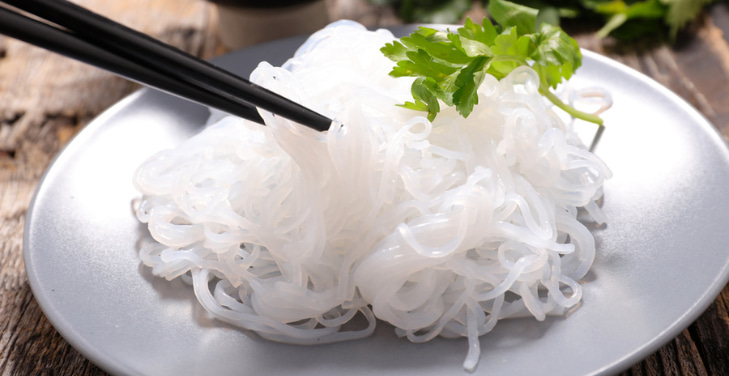
Konjac noodles may cause digestive discomfort or choking concerns when consumed improperly or in excessive amounts.
What Are Konjac Noodles?
Konjac noodles are a high-fiber noodle made primarily from the konjac root, a plant that contains a high amount of glucomannan. This component creates the characteristic texture and adds nutritional value.
Glucomannan and Fiber Content
Glucomannan is a soluble fiber that can absorb a large amount of water. As it passes through the digestive tract, this fiber forms bulk and supports a feeling of fullness. Konjac noodles are typically very low in calories while providing a significant amount of fiber.
Common Types and Preparation
Konjac noodles come in shirataki, thin, or other forms that mimic traditional noodles. Users usually rinse, drain, and then blanch or cook them according to the package instructions. You can combine the noodles with vegetables, meat, fish, eggs, and other nutritious protein sources.
Common Side Effects of Konjac Noodles
Konjac noodles contain a high amount of glucomannan, which can cause digestive reactions, especially if your body isn't used to the high fiber content. Discomfort depends on portion size, water intake, and individual tolerance.
Bloating and Gas
Glucomannan ferments in the colon, creating gas as gut bacteria break down fiber. Those who eat large portions may experience bloating, gas, or abdominal discomfort.
Abdominal Discomfort
The rapid increase in fiber can stimulate bowel movements and cause abdominal cramps in sensitive individuals. Discomfort often occurs when eating a large amount of konjac noodles in one meal.
Changes in Bowel Movements
Konjac noodles can change stool frequency and consistency. Some people experience diarrhea when their digestive system reacts strongly to glucomannan, while low water intake can contribute to dry stools and cause constipation.
Digestive Risks From High Glucomannan Intake
Glucomannan in konjac noodles absorbs a lot of water and can add bulk in the digestive tract. High consumption can put pressure on the digestive system, especially when the body is not yet adapted to a large fiber intake.
Water Absorption and Expansion
Glucomannan absorbs water quickly and increases in volume as it passes through the digestive tract. This process can increase feelings of fullness, bloating, or abdominal discomfort when consuming large portions.
Effects of Excessive Intake
High glucomannan levels can alter bowel motility and bowel-movement frequency. Some people experience abdominal cramps, bloating, or diarrhea. Appropriate portion sizes allow the digestive system to adapt gradually to increased fiber intake.
Adjusted Fluid Intake
Water plays an important role when consuming foods rich in glucomannan. Drinking enough fluids helps fiber absorb water in the intestines and helps maintain the movement of food through the digestive system.
Choking and Swallowing Concerns
Konjac noodles have a chewy texture and contain glucomannan, which absorbs water, so proper preparation and consumption are crucial for safe swallowing. Users should pay particular attention to eating speed, piece size, and chewing ability.
Proper Preparation and Chewing
Washing and preparing the noodles according to the package instructions helps create the correct texture before eating. Chewing each portion thoroughly helps break down food and makes swallowing easier. Drinking enough water during meals also aids digestion.
Swallowing Difficulties
Individuals with swallowing difficulties, reduced oral muscle control, or esophageal problems should be evaluated by a doctor before regular use. Young children also need adult supervision during eating.
Warning Signs
Severe coughing, choking, shortness of breath, wheezing, or a feeling of food stuck in the throat require immediate attention. Severe breathing difficulties or loss of speech require immediate medical attention.
Konjac Noodles and Blood Sugar
Konjac noodles contain glucomannan, a type of soluble fiber that can slow carbohydrate digestion and absorption. This property can noticeably affect blood sugar, especially for people who monitor their daily glucose levels.
Glucomannan and Glucose Absorption
Glucomannan forms a gel when it comes into contact with water in the digestive tract. This structure slows how quickly food moves and may reduce how quickly glucose enters the bloodstream after a meal. The response varies depending on portion size and the overall composition of the meal.
Diabetes Medication Considerations
People taking diabetes medication should monitor their blood sugar when incorporating konjac noodles into their regular diet. Glucomannan may affect glucose response, so a doctor or dietitian may help adjust portion sizes accordingly.
Monitoring Individual Responses
Monitoring glucose before and after meals helps identify the body's individual response. Combining konjac noodles with protein, vegetables, and appropriate carbohydrate portions also helps build a balanced meal.
Medication Absorption and Interactions
Konjac noodles contain a high amount of glucomannan, so this fiber can affect the absorption of some oral medications. Those who take medication regularly should pay attention to the timing of konjac noodles to maintain stable treatment effectiveness.
Fiber and Medication Absorption
Glucomannan forms a gel in the digestive tract and slows the movement of food. This property can affect contact between the medication and the intestinal mucosa, affecting how much medication the body absorbs.
Appropriate Timing
Taking medication at times separate from foods rich in glucomannan helps reduce the risk of absorption interactions. The specific interval depends on the medication type, dosage form, and your doctor's or pharmacist's instructions.
Professional Guidance
People taking medication for chronic diseases should consult a healthcare professional before regularly eating konjac noodles. A doctor or pharmacist can assess your specific medication, its timing, and appropriate fiber intake.
Konjac Noodles and Weight Management
Konjac noodles are typically very low in calories and provide glucomannan, a soluble fiber that absorbs water in the digestive tract. This property creates a feeling of fullness and can help control overall daily food intake.
Low Calories and Fiber
A serving of konjac noodles provides low energy while adding fiber. Glucomannan absorbs water, creates bulk, and contributes to a longer feeling of fullness after a meal. The actual effect depends on the serving size and overall diet.
Satiety and Portion Control
The feeling of fullness can reduce the need to snack and support portion control. Users should start with moderate amounts, then adjust based on their digestive tolerance.
Overall Nutritional Balance
Combine konjac noodles with protein, vegetables, healthy fats, and foods rich in micronutrients. A varied diet provides the energy, protein, vitamins, and minerals necessary for long-term health.
Who Should Limit or Avoid Konjac Noodles?
Konjac noodles suit many diets; however, some groups should pay special attention to digestibility, swallowing ability, and drug interactions. Assessing their health status helps you choose safer, more appropriate serving sizes.
People With Swallowing Difficulties
People with difficulty chewing or swallowing should eat konjac noodles with caution. Those with esophageal disorders or impaired swallowing ability should consult their doctor to determine the appropriate food type.
People With Digestive Conditions
Individuals with gastrointestinal conditions or sensitive digestive systems may experience bloating, abdominal pain, and changes in bowel movements when increasing glucomannan intake. Smaller servings allow the body to gradually adapt to the fiber.
Medication Users and Children
People who take oral medications regularly should discuss when to consume konjac noodles with their doctor or pharmacist. Young children need supervision while eating and portions appropriate for their chewing and swallowing abilities.
How to Eat Konjac Noodles Safely
Konjac noodles can be part of a high-fiber diet when prepared and consumed correctly. A few simple principles can help reduce digestive discomfort and support safe eating.
Proper Preparation
Rinse the noodles thoroughly under clean running water, drain, and then blanch or cook according to the package instructions. This process improves the texture, flavor, and softness of the noodles before use.
Moderate Portions and Adequate Fluids
Start with moderate portions to allow your digestive system to gradually adapt to glucomannan. Drink enough water throughout the day to help the fiber absorb water and move smoothly through the digestive tract.
Balanced Meal Composition
Combine konjac noodles with protein from fish, eggs, meat, or tofu, along with a variety of vegetables. Adding healthy fats from avocados, nuts, or vegetable oils creates a diverse, energizing meal.
Conclusion
Konjac noodles provide glucomannan, a type of soluble fiber that promotes fullness and supports portion control. However, the high fiber content may cause bloating, gas, or changes in bowel movements in some people.
Eating moderate portions, chewing thoroughly, and drinking plenty of water make konjac noodles safer to consume. Individuals with swallowing difficulties, digestive issues, or those taking medication regularly should consult a healthcare professional before consuming them regularly.
Frequently Asked Questions (FAQs)
- Can Konjac Noodles Cause Digestive Problems? – Konjac noodles can cause bloating, abdominal distension, cramping, or changes in bowel movements because of their high glucomannan content. Large servings and a sudden increase in fiber intake can worsen digestive symptoms in sensitive individuals.
- Can Konjac Noodles Affect Blood Sugar? – Glucomannan can slow carbohydrate digestion and absorption, potentially affecting the glycemic response after meals. People taking diabetes medications should monitor their glucose levels and consult a healthcare professional if they consume konjac noodles regularly.
- Can Konjac Noodles Cause Choking? – Konjac noodles have a chewy texture and contain glucomannan, which absorbs water. People should chew thoroughly, eat small portions, and drink plenty of water. Those with difficulty swallowing should seek medical evaluation before consuming them.
- Can Konjac Noodles Affect Medication Absorption? – Glucomannan can affect how quickly food moves through the digestive tract and may alter the absorption of some oral medications. People who take medications regularly should consult their doctor or pharmacist about appropriate timing.
- Who Should Limit Konjac Noodles? – People with difficulty swallowing, certain digestive problems, regular medication use, or low fiber tolerance should pay attention to portion sizes. Young children need adult supervision when preparing and eating konjac noodles.
