
A small blueberry offers a gentle source of energy and a rich blend of bioavailable nutrients. Each serving contributes to nourishing the body with fiber, vitamins, and anthocyanins, while supporting cardiovascular, brain, and digestive health.
The calorie count of blueberries is a key factor for those concerned about weight and daily nutrition. A well-balanced serving helps maintain energy levels, support activity, and build healthy eating habits.
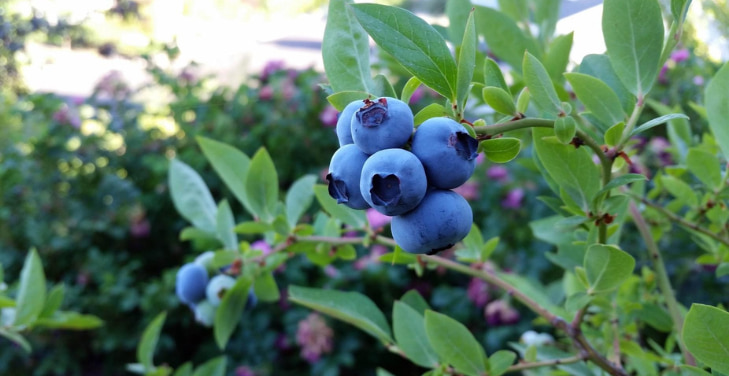
Blueberries are low in calories and rich in nutrients for daily health.
What Are Blueberries?
Blueberries offer a dense nutritional profile and powerful bioactive compounds. These small fruits provide gentle energy while activating numerous cellular defense mechanisms. Each serving positively impacts metabolism and overall health.
Botanical Characteristics
Blueberries belong to the berry group, with a deep bluish-purple skin containing a high concentration of anthocyanins. Their juicy structure allows for rapid nutrient release during digestion. The small seeds inside provide additional essential micronutrients.
Nutritional Identity
Every 100 grams provides low calories and abundant soluble fiber. Vitamin C, vitamin K, and manganese are present in high concentrations, promoting immunity and bone metabolism. The antioxidants are highly active within the cellular environment.
Natural Functional Food
Blueberries act as a natural functional food, supporting cardiovascular health, brain function, and blood sugar control. Polyphenol compounds activate anti-inflammatory responses and improve blood circulation, thereby enhancing overall health.
How Many Calories Are in Blueberries?
The calorie content of blueberries reflects their low energy density and high nutritional value. Each serving provides moderate energy while activating efficient metabolism in the body.
Calories per 100 Grams
100 grams of blueberries provide approximately 57 calories. This energy level helps maintain daily energy balance. The high water content makes up a large portion of the mass, creating a light feeling when consumed.
Calories per Cup Serving
One cup of fresh blueberries (approximately 148 grams) provides nearly 85 calories. This serving is suitable for a healthy snack, providing stable energy throughout the day. This calorie count is accompanied by fiber, which helps regulate absorption.
Energy Density and Satiety
Blueberries possess a low energy density, supporting effective portion control. Soluble fiber creates a feeling of fullness quickly and for a longer period, helping regulate daily calorie intake.
Macronutrient Breakdown
The macronutrient structure of blueberries creates a balanced and versatile nutritional foundation. This component provides stable energy while supporting metabolic activity in various organ systems.
Carbohydrates and Natural Sugars
Carbohydrates make up the main proportion, approximately 14 grams per 100 grams. Natural sugars like glucose and fructose provide quick energy, promoting cellular activity. The accompanying soluble fiber helps regulate absorption and stabilize blood sugar.
Dietary Fiber Content
Fiber, at approximately 2.4 grams per 100 grams, plays a crucial role in digestive function. This component stimulates bowel movements and nourishes the gut microbiome. A feeling of fullness occurs early and lasts longer after consumption.
Protein and Fat Profile
The protein content is light, at about 0.7 grams, supporting tissue and enzyme regeneration. Fat is present in very low amounts, mainly beneficial fatty acids. This combination creates a streamlined nutritional profile, suitable for calorie-controlled diets.
Micronutrients in Blueberries
Blueberries provide a rich array of micronutrients, playing a central role in many important biological reactions. Each small serving delivers a high density of vitamins and active compounds, contributing to optimized cellular function and enhanced overall health.
Vitamin C and Immune Support
Vitamin C is present in significant amounts, promoting collagen production and strengthening the immune barrier. This nutrient activates antioxidant enzymes, thereby protecting cells from the effects of free radicals.
Vitamin K and Bone Metabolism
Vitamin K supports blood clotting and regulates bone metabolism. This component activates proteins related to bone structure, helping to maintain strength and stability of the musculoskeletal system.
Antioxidants and Phytochemicals
Anthocyanins and flavonoids create a powerful biological protective layer. These compounds improve circulation, support brain function, and promote anti-inflammatory responses, thereby enhancing the body's overall performance.
Calories in Fresh vs. Frozen Blueberries
The calorie content of blueberries is directly affected by their storage state and water density in each form. Both options provide a gentle energy boost while maintaining stable nutritional value for the body.
Calories in Fresh Blueberries
Fresh blueberries contain approximately 57 calories per 100 grams. Their high water content makes them feel light and easy to digest. The evenly distributed energy and fiber support effective portion control.
Calories in Frozen Blueberries
Frozen blueberries maintain a similar calorie level because the rapid freezing process preserves their nutritional structure. Energy density remains stable, providing a consistent energy source in daily servings.
Impact of Storage on Energy Density
The freezing process slightly reduces the free water content, thereby increasing nutrient density by weight. This change results in a richer flavor and helps provide concentrated energy in each serving.
Calories in Blueberry-Based Foods
Blueberry dishes offer varying energy levels depending on the preparation method and ingredients. The calorie content changes significantly with the addition of sugar, fat, or dairy, directly impacting the total energy per serving.
Smoothies and Juices
Blueberry smoothies provide energy from the fruit, dairy, and natural sweeteners. A smoothie typically contains between 120 and 250 calories depending on the ingredients. Blueberry juice provides quick energy thanks to its naturally soluble sugars.
Desserts and Baked Goods
Blueberry muffins, tarts, or pastries contain higher calories due to the flour, sugar, and butter. Each serving easily reaches 200–400 calories. The high-energy ingredients create an appealing flavor and a smooth, creamy texture.
Added Sugar and Energy Impact
Added sugar significantly increases the total calorie content of the dish. This combination provides instant energy and a noticeable appetite boost. Controlling the ingredients helps maintain energy balance and support nutritional goals.
Are Blueberries Good for Weight Loss?
Blueberries offer a concentrated source of nutrients with low energy density, thus supporting effective weight management. This fruit provides fiber, vitamins, and bioactive compounds that help regulate metabolism and maintain a stable feeling of fullness throughout the day.
Low-Calorie Density Advantage
Blueberries contain a low calorie count per serving, facilitating an energy-controlled diet. Their high water and fiber content promotes a feeling of fullness that lasts longer.
Satiety and Appetite Control
The soluble fiber in blueberries slows digestion and helps maintain stable blood sugar levels. The body receives clear satiety signals, reducing the tendency to overeat between meals.
Metabolic Support and Fat Regulation
The anthocyanin compounds in blueberries activate fat oxidation and improve insulin sensitivity. Metabolic activity is more efficient, contributing to optimized energy utilization.
How Blueberries Fit into a Balanced Diet
Blueberries contribute to a balanced diet thanks to their high nutrient density and versatile combination possibilities. This fruit provides vitamins, fiber, and antioxidants, thereby supporting many physiological functions and maintaining stable health.
Nutrient Integration in Daily Meals
Blueberries add vitamin C, vitamin K, and fiber to the daily diet. The body absorbs these micronutrients to support immunity, blood clotting, and efficient digestion. Meals become richer and more biologically valuable.
Pairing with Macronutrients
Blueberries combine harmoniously with protein and healthy fats such as yogurt or nuts. This combination creates a balanced meal, promoting stable blood sugar and maintaining sustained energy.
Portion and Frequency Strategy
A well-distributed blueberry portion throughout the day helps maintain stable energy levels. The flexible frequency of use, whether at breakfast or as a snack, helps optimize nutritional benefits.
Portion Control and Calorie Awareness
Portion control and calorie awareness help optimize the benefits of blueberries in your daily diet. This approach shapes proper eating habits while supporting weight maintenance and stable metabolic balance.
Understanding Serving Sizes
A standard serving of blueberries, approximately 100–150 grams, provides a moderate calorie intake. Clearly defining portion sizes ensures the body receives sufficient nutrients while maintaining appropriate overall energy intake.
Calorie Tracking in a Daily Diet
Recording the calories from blueberries helps control total daily energy consumption. This habit forms the foundation for a scientifically sound nutrition plan and supports long-term health goals.
Mindful Eating Habits
Eating blueberries with heightened mindfulness helps the body clearly sense satiety signals. A slow and focused eating pace promotes energy regulation and improves digestive efficiency.
Who Should Monitor Blueberry Intake?
Blueberries offer high nutritional value; however, certain groups need to monitor their intake to optimize health benefits. Adjusting portion sizes to suit individual physiological conditions and goals helps maintain metabolic balance.
Individuals Managing Blood Sugar
Those managing blood sugar should pay attention to the natural carbohydrate content of blueberries. Appropriate portion sizes support glucose stability and maintain consistent energy levels throughout the day.
People Tracking Calorie Intake
Those tracking daily energy intake benefit from accurately quantifying blueberries. Portion control helps balance total calories and supports weight management goals.
Individuals with Specific Dietary Plans
Individuals following specific diets, such as dieting or clinical nutrition plans, need to adjust their blueberry intake accordingly. Personalizing portion sizes optimizes nutritional effectiveness and meets the body's needs.
Conclusion
Blueberries provide approximately 57 calories per 100 grams, while also adding fiber, vitamins, and highly bioavailable antioxidants. This makes them a nutrient-rich choice for calorie-controlled diets.
A balanced serving size helps balance total calories, supports weight management, and maintains metabolic health. Combining blueberries with protein, healthy fats, and whole grains creates a varied and nutritious meal structure.
Frequently Asked Questions (FAQs)
- How many calories are in 100 grams of blueberries? – 100 grams of fresh blueberries provide approximately 57 calories, along with carbohydrates, fiber, vitamin C, vitamin K, and anthocyanins.
- How many calories are in one cup of blueberries? – One cup of fresh blueberries, weighing about 148 grams, provides approximately 85 calories along with fiber, vitamins, and antioxidant compounds.
- Are blueberries suitable for weight loss? – Blueberries can support weight management because they provide relatively few calories, substantial water, and natural fiber that contribute to a nutrient-dense diet.
- How many calories are in frozen blueberries? – Pure frozen blueberries provide nearly the same calories by weight as fresh blueberries. Products with added sugar contain more calories.
- Are blueberry dishes high in calories? – Blueberry smoothies, muffins, tarts, and desserts can contain substantial calories from added sugar, starch, and fat, making ingredient choices and portion size important.
