
Blueberries unlock a nutritional mystery directly related to bone health. The bioactive compounds within this small fruit activate bone tissue regeneration processes in a rhythmic and precise manner.
Micronutrients such as vitamin K, vitamin C, and anthocyanins work closely together to promote collagen formation and strengthen bone structure. This mechanism helps bones maintain strength, increase load-bearing capacity, and support flexible movement over time.
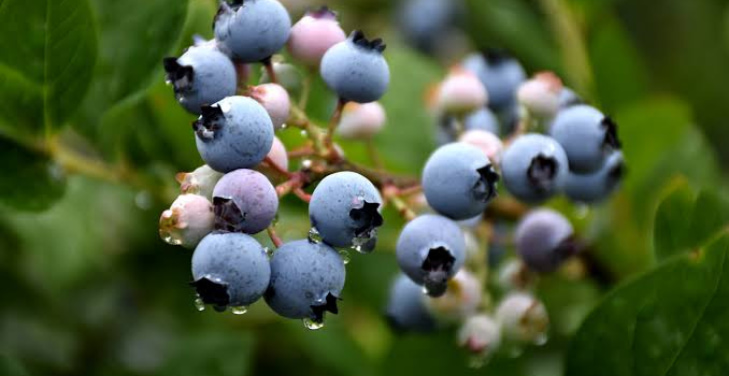
Blueberries provide nutrients that support bone strength and long-term skeletal health.
What Are Blueberries?
Blueberries stand out as a concentrated source of nutrients, possessing high biological value for bone structure. Their deep bluish-purple color reflects a high density of potent active compounds that promote tissue regeneration and strengthen bone structure naturally.
Botanical Characteristics
Blueberries belong to the Ericaceae family, thriving in temperate climates with small, thin-skinned berries and juicy flesh. Their stable plant structure allows for the accumulation of essential micronutrients, creating an effective nutritional profile to support bone health.
Nutrient Density
Each serving provides significant concentrations of vitamin K, vitamin C, and manganese. These micronutrients activate collagen formation, enhance bone mineralization, and maintain skeletal strength.
Bioactive Compounds
Anthocyanins and flavonoids are present in high concentrations, promoting the activity of osteoblast cells. These compounds optimize the endothelial environment, supporting bone structure to maintain long-term strength and adaptability.
Nutritional Profile for Strong Bones
Blueberries' nutritional profile shows a remarkable density of micronutrients, providing a solid biological foundation for the skeletal system. The combination of vitamins, minerals, and bioactive plant compounds promotes continuous and effective bone remodeling.
Vitamin K and Bone Activation
Vitamin K activates the protein osteocalcin, which helps bind calcium to bone tissue accurately. This process increases bone strength and maintains stable bone structure over time.
Vitamin C and Collagen Synthesis
Vitamin C promotes collagen synthesis, forming the framework for bone tissue. Collagen provides elasticity, helps bones withstand stress, and maintains structural integrity.
Manganese and Mineralization
Manganese participates in mineralization, supporting the vigorous activity of bone-forming enzymes. This mineral contributes to bone density and mechanical strength.
Antioxidants and Cellular Protection
Anthocyanins and flavonoids protect bone cells from oxidative stress. These compounds maintain the activity of osteoblasts, promoting regeneration and improving bone tissue quality in the long term.
How Blueberries Support Bone Strength
Blueberries promote bone strength through a tightly linked chain of biological mechanisms, from the cellular level to the tissue structure. Bioactive compounds coordinate bone formation and strengthening, creating a solid foundation for the musculoskeletal system.
Collagen Formation Support
Vitamin C in blueberries stimulates fibroblasts to produce collagen consistently. Collagen provides the organic framework for bones, helping bone structure achieve flexibility and stable load-bearing capacity.
Osteoblast Activation
Anthocyanins activate osteoblasts to work vigorously, promoting the construction of new bone tissue. This activity increases mineral density and improves the quality of bone microstructure.
Mineral Integration Efficiency
Vitamin K, in conjunction with manganese, directs calcium to the correct location in bone tissue. Precise mineral integration increases hardness and maintains long-term mechanical strength.
Bone Remodeling Balance
Flavonoids regulate the bone remodeling cycle, maintaining a balance between formation and resorption. A stable remodeling rhythm helps bones adapt to the stresses of movement and maintain strength over time.
Impact on Bone Density
Bone density reflects the degree of mineralization and structural strength of the skeletal system. Blueberries provide the nutritional foundation and bioactive compounds that help maintain stable bone density, while promoting mineral accumulation in bone tissue according to the natural biological rhythm.
Enhancing Mineral Retention
Compounds in blueberries optimize the ability to retain calcium and phosphorus in bones. This process increases mineral mass, helping bones achieve strength and reducing the risk of density loss over time.
Supporting Osteoblast Activity
Anthocyanins stimulate osteoblast cells to continuously function, promoting mineral deposition into the bone framework. Strong cellular activity increases density and improves bone microstructure.
Improving Calcium Utilization
Vitamin K, in conjunction with specific enzymes, directs calcium into bone tissue with high precision. This mechanism enhances calcium utilization efficiency, making bones denser and more stable.
Reducing Bone Loss Rate
Flavonoids regulate bone resorption, maintaining metabolic balance. A stable remodeling rate helps preserve bone density and maintain mechanical strength throughout the aging process.
Anti-Inflammatory Effects on Bones
Inflammatory responses directly affect the rate of bone regeneration and the quality of bone tissue. Blueberries provide bioactive compounds that help regulate inflammation, thereby maintaining a favorable environment for bone growth and preservation.
Regulating Inflammatory Pathways
Anthocyanins act on molecular signals related to inflammatory responses, helping to stabilize cytokine activity in bone tissue. This regulation maintains homeostasis and supports the smooth process of bone regeneration.
Protecting Bone Microenvironment
Flavonoids in blueberries strengthen the microenvironment around bone cells, reducing biological stress from inflammatory factors. A stable environment helps osteoblasts function effectively and maintain a stable structure.
Reducing Oxidative Inflammation
Antioxidants neutralize free radicals, reducing inflammatory responses related to oxidative stress. This process protects bone tissue and helps maintain stable mineral density.
Supporting Long-Term Bone Health
The bioactive compounds work together to regulate inflammation and promote continuous bone remodeling. This mechanism helps bones maintain strength, increase adaptability, and enhance durability over the long term.
Role of Antioxidants in Bone Protection
The antioxidants in blueberries play a central role in protecting bone structure from continuous biological stress. A stable intracellular environment helps maintain bone cell function and improve bone tissue quality over time.
Neutralizing Free Radicals
Anthocyanins actively neutralize free radicals formed during metabolism. This activity protects bone cell membranes, maintains their integrity, and supports efficient tissue regeneration.
Enhancing Osteocyte Function
Flavonoids promote the activity of mature bone cells, helping to transmit accurate mechanical and biological signals. This synergy enhances bone's adaptability to the stresses of movement.
Protecting Bone Matrix Integrity
Antioxidant compounds maintain the stability of the extracellular matrix, which contains collagen and minerals. This robust structural foundation helps bones maintain high strength and load-bearing capacity.
Supporting Long-Term Cellular Health
Antioxidants optimize the endothelial environment, helping bone-forming cells function sustainably. This process maintains a continuous remodeling cycle and strengthens bone long-term.
Blueberries and Aging Bone Health
The aging process directly impacts bone structure and density through changes in metabolism and cellular activity. Blueberries provide a source of bioactive compounds that help maintain bone quality, supporting stable adaptation of the skeletal system over time.
Slowing Age-Related Bone Changes
Anthocyanins regulate biological signals related to aging, helping maintain a stable rate of bone regeneration. This activity helps maintain bone density and structure in old age.
Supporting Collagen Integrity
Vitamin C promotes continuous collagen production, creating a solid foundation for bone tissue. Collagen maintains elasticity and helps bones adapt flexibly to mechanical pressure.
Enhancing Mineral Stability
Vitamin K and manganese work together to maintain the correct mineral distribution in bones. This process helps bones maintain strength and limit structural deterioration over time.
Promoting Mobility and Strength
Antioxidant compounds support bone and connective tissue cell function. This combination helps improve mobility, increase flexibility, and maintain endurance.
Supporting Joint and Bone Connection
The connection between joints and bones forms the foundation for flexible and stable movement. Blueberries provide bioactive compounds that help strengthen this connective structure, supporting the synchronized functioning of bone tissue, cartilage, and ligaments.
Strengthening Connective Tissues
Vitamin C stimulates collagen synthesis in ligaments and joint cartilage. Collagen creates a strong connective network, allowing joints to move smoothly and maintaining structural stability.
Supporting Cartilage Integrity
Anthocyanins nourish cartilage cells, promoting regeneration and maintaining elasticity. Healthy joint cartilage reduces direct pressure on bones and improves mobility.
Enhancing Joint Lubrication
Antioxidant compounds help balance the synovial fluid environment, increasing lubrication and reducing friction. Effective lubrication allows joints to move flexibly and reduces mechanical stress.
Coordinating Bone-Joint Function
Flavonoids regulate biological signals between bones and joints, ensuring smooth coordination in movement. This mechanism enhances overall stability and maintains sustained mobility over time.
Scientific Evidence on Bone Benefits
Scientific evidence reinforces the role of blueberries in enhancing bone health through clear biological mechanisms. Preclinical and clinical studies provide reliable data reflecting the positive impact of blueberry compounds on bone structure and function.
Preclinical Research Insights
Animal model studies show that anthocyanins promote osteoblast activity and increase mineral density. This data reflects a marked improvement in bone microstructure and load-bearing capacity.
Human Study Findings
Human studies have observed an increase in positive bone metabolism indices when blueberries are added to the diet. Biomarkers indicate more efficient bone formation.
Mechanistic Evidence
Mechanistic analysis reveals that flavonoids and polyphenols regulate cellular signaling related to bone remodeling. These compounds promote metabolic balance and maintain structural strength.
Long-Term Health Outcomes
Long-term data link blueberry consumption to the maintenance of bone density and stable mobility. This finding reinforces the nutritional value of blueberries in long-term bone care strategies.
Best Ways to Eat Blueberries for Bone Health
How you consume blueberries directly affects your ability to absorb micronutrients and their effectiveness in supporting bone health. Choosing the right eating method optimizes nutritional value and activates biological mechanisms related to strengthening bone structure.
Fresh and Whole Consumption
Fresh blueberries retain their full vitamin and antioxidant content. Eating them whole allows the body to fully absorb anthocyanins, supporting bone regeneration and maintaining a stable intracellular environment.
Combining with Calcium-Rich Foods
Combining blueberries with yogurt, nuts, or calcium-rich foods enhances bone mineralization. This combination promotes calcium absorption and strengthens bone tissue.
Incorporating into Daily Meals
Adding blueberries to breakfast, smoothies, or salads creates a habit of regular consumption. Consistent supplementation helps maintain stable micronutrient levels, supporting bone remodeling according to the biological cycle.
Using Frozen Without Nutrient Loss
Frozen blueberries maintain the stability of their antioxidants and vitamins. Their versatile use in the diet helps maintain a year-round supply of nutrients for bone health, ensuring long-term support.
Conclusion
Blueberries provide a diverse range of nutrients, activating the bone regeneration cycle and strengthening bone tissue structure through natural biological mechanisms. The combination of vitamins, minerals, and antioxidants creates a solid foundation for bone density and strength.
Regular consumption of blueberries helps maintain a stable endothelial environment, promotes bone cell activity, and enhances mobility. This nutritional approach supports sustainable bone development over time.
Frequently Asked Questions (FAQs)
- How do blueberries support bone health? – Blueberries provide anthocyanins, vitamin K, and vitamin C that support collagen production, bone remodeling, and healthy mineral integration, helping maintain strong bones.
- How many blueberries should you eat daily for good bone health? – A serving of about 75–150g of blueberries per day provides antioxidants and micronutrients that support bone remodeling and overall skeletal health.
- Do blueberries help improve bone density? – Blueberry polyphenols support osteoblast activity and bone mineralization, which may contribute to healthy bone density and skeletal structure.
- What foods should you combine blueberries with to maximize their effectiveness? – Pairing blueberries with yogurt, almonds, or other calcium-rich foods creates a nutrient-dense combination that supports mineral intake and healthy bone tissue.
- Should older adults eat blueberries every day? – Older adults can include blueberries regularly as part of a balanced diet because their nutrients and polyphenols support bone health, mobility, and overall nutritional status.
