
Many people believe that L-theanine is always safe under all circumstances. Scientific evidence shows that safety depends on dosage, health conditions, and potential interactions with other medications or supplements.
L-theanine has garnered attention for its ability to support relaxation and improve concentration. This active ingredient has a positive safety profile in most adults when used as directed.
Understanding side effects, potential contraindications, and important warnings helps users proactively develop appropriate supplementation plans and protect their long-term health with scientifically based decisions.
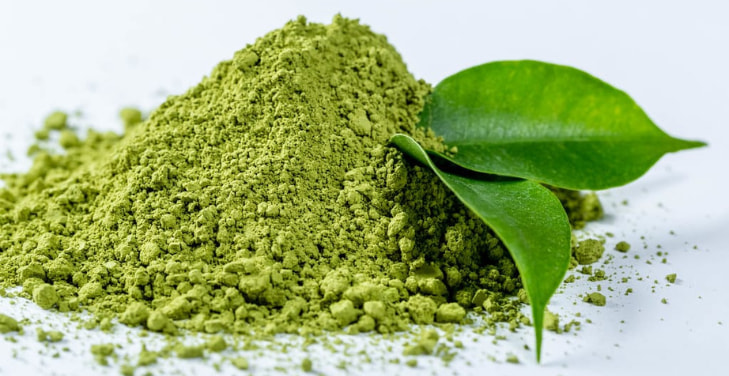
L-theanine supplements require appropriate dosing and informed use for safe daily supplementation practices.
What Is L-Theanine?
L-theanine is a naturally occurring amino acid that contributes to the remarkable relaxing properties of green tea. This compound has attracted attention in nutrition and neuroscience due to its ability to support mental balance, alertness, and focus in many everyday situations.
Natural Source
L-theanine is present in significant amounts in green tea leaves (Camellia sinensis) and some species of mushrooms. Modern extraction processes produce pure L-theanine for use in dietary supplements. Many products combine L-theanine with caffeine to promote alertness, maintain cognitive performance, and support brain activity throughout the day.
How It Works in the Body
After absorption through the digestive tract, L-theanine enters the bloodstream and crosses the blood-brain barrier. This compound regulates the activity of several neurotransmitters such as glutamate, GABA, dopamine, and serotonin, thereby contributing to maintaining a relaxed state, concentration, and emotional stability. Research also notes that L-theanine promotes alpha waves in the brain, a sign often associated with a relaxed yet alert state.
Is L-Theanine Safe for Most People?
L-theanine has a positive safety profile when used at the correct dosage. Numerous clinical studies have shown that this active ingredient is well tolerated in healthy adults, providing a foundation for its application in supporting relaxation and enhancing concentration.
Clinical Safety Evidence
Human trials have shown that L-theanine maintains a high level of safety at commonly used doses of 100–400 mg per day. Study participants reported favorable tolerance during short-term and medium-term use, with few clinically significant adverse reactions.
Recommended Dosage Matters
Adhering to the recommended dosage optimizes effectiveness and maintains safety. Each product has its own dosage and usage instructions, so users should carefully read the label, choose products that meet quality standards, and consult with a healthcare professional if long-term use is needed or if they are undergoing treatment for a chronic condition.
Common Side Effects of L-Theanine
L-theanine is generally well-tolerated in most adults. Some individuals may experience mild reactions during the initial stages of use due to differences in physiology, dosage, and nervous system sensitivity.
Mild Neurological Effects
Some people experience mild headaches, dizziness, or lightheadedness during the initial period of L-theanine supplementation. These symptoms usually appear as the body adapts to the active ingredient or when using doses higher than the individual's needs. Adjusting the dosage appropriately helps facilitate the adaptation process.
Digestive and Sleep Responses
The digestive system may sometimes react with feelings of fullness, mild discomfort, or transient nausea. Some people may also experience noticeable drowsiness or relaxation, especially when used in the evening or in combination with sleep aids. Monitoring your body's reactions helps in choosing the appropriate time and dosage to suit your daily needs.
Can L-Theanine Cause Serious Health Risks?
L-theanine has a positive safety profile in current studies. Scientific data shows a very low rate of serious events when used as directed; however, risk assessment remains crucial for protecting individual health.
Rare Adverse Reactions
In rare cases, hypersensitivity reactions to the supplement's ingredients have occurred. Manifestations may include rash, itching, swelling of the lips, or facial swelling. Users should monitor for any unusual bodily changes to identify any condition requiring medical attention promptly.
High Intake Concerns
Using L-theanine in amounts exceeding the recommended daily intake over extended periods may increase drowsiness, reduce alertness, or cause blood pressure fluctuations in some sensitive individuals. Adhering to the recommended dosage and consulting a healthcare professional helps maintain optimal supplemental effectiveness and safety.
Who Should Avoid or Use L-Theanine With Caution?
L-theanine is suitable for many adults; however, certain population groups require careful evaluation before supplementation. Consulting a healthcare professional helps develop a usage plan tailored to individual health conditions and care goals.
Pregnancy and Breastfeeding
Pregnant and breastfeeding women should prioritize safety for both mother and child. Data on L-theanine use during these periods is limited, so a doctor will consider benefits, nutritional needs, and risk factors before making a recommendation.
Medical Conditions and Blood Pressure
Individuals with low blood pressure or those being treated for chronic conditions such as cardiovascular, liver, kidney, and neurological disorders should be monitored when using L-theanine. Assessing clinical conditions, medications, and the body's response helps determine the appropriate dosage, thereby improving the effectiveness and safety of supplementation.
Drug and Supplement Interactions
L-theanine can affect the effects of some medications and supplements through its mechanisms of action on the central nervous system and blood pressure. Assessing interactions before use helps improve treatment efficacy and enhance safety.
Blood Pressure and Sedative Medications
L-theanine may increase the effects of blood pressure-lowering medications, resulting in lower-than-expected blood pressure in some individuals. It also contributes to a feeling of relaxation when used with sedatives or sleep aids, so doctors often consider adjusting the treatment plan.
Stimulants and Calming Supplements
L-theanine is commonly found in caffeine-containing products to support alertness and concentration. It also combines with relaxing ingredients such as melatonin, magnesium, valerian, or lemon balm. The simultaneous use of multiple products requires appropriate dosage and monitoring of the body's response to achieve optimal results.
Can You Take Too Much L-Theanine?
L-theanine offers benefits when used within limits appropriate to the body's needs. Taking very high doses or for prolonged periods beyond recommended levels increases the likelihood of adverse reactions and negatively impacts the user experience.
Symptoms of Excessive Intake
Some individuals may experience noticeable drowsiness, decreased alertness, headache, dizziness, or fatigue when taking L-theanine in excess. The severity of these symptoms depends on individual health, dosage, and concurrent use.
Safe Dosage Practices
Most clinical studies use L-theanine in the range of 100–400 mg per day and report favorable tolerability. Following product label instructions, avoiding multiple L-theanine sources, and monitoring your body's response helps maintain both the effectiveness and safety of supplementation.
How to Reduce the Risk of Side Effects
Using L-theanine correctly enhances its effectiveness and maintains safety during use. Several simple principles provide a solid foundation for the body to adapt to the active ingredient and minimize unwanted reactions.
Start Low and Monitor Response
Starting with a low dose allows for individual tolerance assessment. Users should monitor alertness, sleep quality, blood pressure, and overall well-being during the first few days to adjust the dosage to suit their actual needs.
Choose High-Quality Supplements
Products with third-party certifications offer high reliability in terms of content and purity. Carefully reading the instructions, choosing reputable brands, and consulting with a healthcare professional when using multiple medications or supplements simultaneously will contribute to improved effectiveness and reduced risk of side effects.
When Should You Stop Taking L-Theanine?
L-theanine is generally well tolerated; however, certain clinical signs indicate when to discontinue use and assess your health. Early recognition of unusual symptoms helps limit the risk of developing more serious reactions.
Persistent Side Effects
Users should stop supplementation if headaches, dizziness, excessive drowsiness, fatigue, or digestive discomfort persist and affect daily activities. A healthcare professional will assess the cause, adjust the supplementation plan, and choose the appropriate solution for each case.
Allergic Reactions and Medical Evaluation
Rash, itching, swelling of the lips, tongue, face, or difficulty breathing are signs that require immediate medical attention. Individuals undergoing treatment for chronic illnesses or taking prescription medications should also discuss any unusual changes during L-theanine use with their doctor to ensure long-term safety.
Conclusion
L-theanine has a positive safety profile when used at the correct dosage and with quality-certified products. Understanding side effects, drug interactions, and groups requiring caution helps in developing a personalized supplementation plan.
Monitoring your body's reactions, following usage instructions, and consulting a healthcare professional if you have underlying medical conditions or are taking medication will help optimize effectiveness and maintain safety throughout the use of L-theanine.
Frequently Asked Questions (FAQs)
- Is L-theanine safe for daily use? – Many studies indicate that L-theanine has a favorable safety profile when used daily at appropriate doses. Selecting a high-quality product, following usage guidelines, and monitoring individual response can help support long-term safety and effectiveness.
- Does L-theanine cause daytime drowsiness? – Some individuals may experience relaxation or mild drowsiness, particularly at higher doses or when combined with other calming supplements. Adjusting the timing and dosage can help optimize alertness and overall experience.
- Can people taking blood pressure medication use L-theanine? – L-theanine may influence blood pressure and could interact with certain antihypertensive medications. Consulting a healthcare professional allows for an individualized assessment based on current medications, health status, and treatment goals.
- Is taking too much L-theanine dangerous? – Excessive intake may increase the likelihood of side effects such as drowsiness, headaches, dizziness, or reduced alertness. Following recommended dosages and avoiding combining multiple L-theanine-containing products can help maintain safety.
- When should you stop using L-theanine? – Discontinue use and seek medical advice if symptoms such as rash, swelling of the lips or face, difficulty breathing, or other persistent adverse effects occur. Early evaluation helps identify the cause and guide appropriate care.
