
Many people choose pumpkin seed oil hoping to improve their health, but the appropriate daily dosage remains a topic of much exploration. Each product has different levels, each body has its own needs, and each health goal dictates a suitable supplementation approach.
Understanding the optimal daily amount of pumpkin seed oil helps optimize nutritional value, enhance effectiveness, and build a scientifically sound supplementation habit. These correct principles create a solid foundation for long-term health.
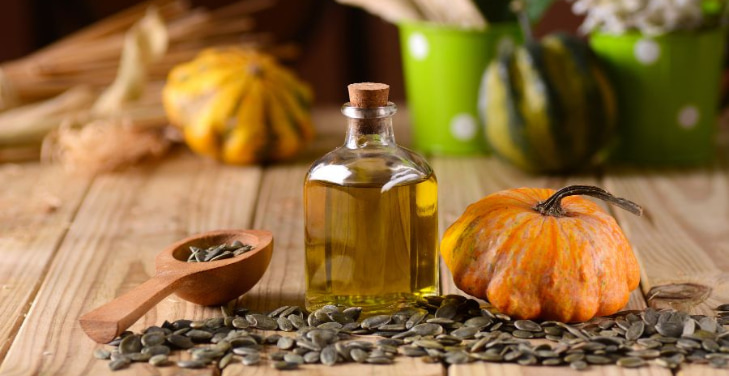
Daily pumpkin seed oil intake depends on health goals, product strength, and individual needs.
What is Pumpkin Seed Oil?
Pumpkin seed oil is a nutrient-rich vegetable oil extracted from the seeds of pumpkins and is commonly found in both dietary and health supplements. Its rich natural composition has made it a popular choice in the fields of nutrition and healthcare.
Natural Source
The cold-pressing process from ripe pumpkin seeds produces an oil with a characteristic dark green to reddish-brown color, a mild aroma, and a light, creamy taste. The resulting product retains many valuable bioactive compounds such as unsaturated fatty acids, phytosterols, tocopherols, and carotenoids, contributing to its outstanding nutritional value.
Key Nutritional Components
Each serving of pumpkin seed oil provides a rich source of linoleic and oleic acids, as well as vitamin E and many natural antioxidants. This nutrient system participates in many important biological processes, supporting the maintenance of cell membrane structure, balancing physiological inflammatory responses, and protecting cells from the effects of free radicals.
How Much Pumpkin Seed Oil Per Day Is Recommended?
The daily dosage of pumpkin seed oil depends on the product form, health goals, and the active ingredient content. Most adults follow the manufacturer's instructions or recommendations from a healthcare professional for consistent results.
Typical Daily Dosage
Many studies and supplement labels recommend approximately 1,000–2,000 mg of pumpkin seed oil per day in capsule form. For pure oil, the serving size typically ranges from 1–2 teaspoons per day, depending on the concentration and individual nutritional needs.
Product Form Matters
Liquid oil and capsules provide the same nutrients but differ in the amount per serving. Users should check the actual amount of oil on the product label and determine the number of capsules or volume corresponding to the recommended dose to maintain an appropriate daily intake.
Follow Label Instructions
The manufacturer's instructions reflect the concentration, formulation, and standard serving size of each product. Adhering to the correct dosage helps establish a consistent usage routine and provides a foundation for monitoring the supplement's effectiveness over time.
What Factors Affect the Right Daily Amount?
Several physiological factors and individual health goals determine the appropriate dosage of pumpkin seed oil. A thorough assessment of these factors helps develop a rational supplementation plan, maintain effectiveness, and ensure consistency in use.
Individual Characteristics
Age, weight, activity level, and metabolic status directly influence the need for pumpkin seed oil supplementation. Bodies with high energy needs or specific dietary requirements often require a dosage approach tailored to their individual biological characteristics.
Health Goals
Each goal, such as supporting cardiovascular health, prostate health, hair health, or overall well-being, dictates the daily amount to be used. Healthcare professionals typically consider the primary goal to select a dosage that effectively meets nutritional needs.
Supplement Strength
The oil content in each capsule or scoop varies between products. Carefully reading the ingredient list helps determine the actual amount of oil in each serving, allowing you to adjust the number of capsules or the amount of oil to match the recommended daily intake.
Daily Dosage for Different Health Goals
Health goals determine the choice of daily pumpkin seed oil dosage. Healthcare professionals often consider specific needs to determine the appropriate supplementation level, thereby optimizing nutritional value and supporting desired physiological functions.
Heart Health
Many people choose around 1,000–2,000 mg per day to supplement unsaturated fatty acids and phytosterols. This dosage contributes to cardiovascular health by maintaining blood lipid balance and enhancing vascular function within a healthy diet.
Prostate and Urinary Support
Studies on prostate health often use pumpkin seed oil in the range of 1,000–2,000 mg per day. Regular supplementation provides valuable plant compounds that support urinary function and men's health.
Hair and General Wellness
For hair and scalp care or overall health enhancement, follow the dosage instructions on the product packaging. Maintaining a consistent daily intake facilitates nutrient absorption and maximizes effectiveness over time.
When Is the Best Time to Take Pumpkin Seed Oil?
The timing of pumpkin seed oil use affects convenience in daily life and the ability to maintain a long-term supplement habit. Choosing the right time frame helps the body receive nutrients regularly and creates a foundation for stable effectiveness.
Take with Meals
Pumpkin seed oil contains many fat-soluble fatty acids and vitamins, so taking it with meals supports the absorption of these components. Breakfast or dinner are both suitable when combined with a balanced diet.
Morning or Evening
Morning is suitable for those who establish a supplement habit at the beginning of the day. Evening works for those who maintain a fixed schedule after meals. Each time frame is effective when users maintain a consistent schedule.
Build a Consistent Routine
Consistency plays a crucial role in the process of supplementing with nutritional supplements. Using pumpkin seed oil at the same time each day helps establish a lasting habit, while also making it easier to track usage and evaluate effectiveness.
Can You Take Too Much Pumpkin Seed Oil?
Pumpkin seed oil offers many nutritional benefits; however, the daily amount used should be appropriate for the body's needs. Controlling the dosage helps maintain energy balance and optimize the effectiveness of supplementation.
Possible Effects of Excess Intake
Too much oil increases the total energy intake and puts pressure on the digestive system in some people. The body may experience bloating, loose stools, or gastrointestinal discomfort when the amount of fat exceeds the body's tolerance in a meal.
Recognizing Mild Reactions
Some mild reactions such as prolonged fullness, stomach rumbling, or changes in bowel movements may occur when the dose exceeds individual needs. Monitoring the body's response helps adjust the supplemental amount accordingly.
Stay Within Recommended Amounts
Adhering to the dosage indicated on the product label or the instructions of a healthcare professional helps maintain consistency during use. This approach facilitates the body's absorption of nutrients in a balanced and sustainable way.
Who Should Talk to a Healthcare Professional First?
Some groups need a health assessment before supplementing with pumpkin seed oil. Consulting a professional helps determine the appropriate dosage, develop a safe usage plan, and meet individual needs.
Pregnancy and Chronic Conditions
Pregnant women, breastfeeding women, and individuals with chronic conditions should seek medical advice before use. A professional will consider nutritional status, supplementation goals, and develop a dosage appropriate for each health stage.
Medication Use
Individuals taking prescription medications, especially those affecting blood clotting, blood pressure, or blood sugar control, need to have their potential interactions assessed. A doctor will consider their entire treatment plan to make an informed recommendation.
Seed Allergy
Individuals with a history of allergies to nuts or pumpkin seeds should discuss this with an allergist or their doctor before supplementation. A thorough assessment of the patient's reaction history helps select the appropriate product and develop a safe usage plan.
Tips for Choosing a High-Quality Pumpkin Seed Oil Supplement
Product quality determines the nutritional value and stability of pumpkin seed oil during use. Careful selection ensures users access to a high-purity source of nutrients that meets safety standards.
Cold-Pressed and Purity
Cold-pressed oil retains high levels of essential fatty acids, vitamin E, and natural antioxidants. Products with simple ingredients, clearly sourced raw materials, and transparent production processes offer reliable value.
Third-Party Testing
Certification from independent testing organizations reflects the quality, purity, and safety of the product. These standards help users more accurately assess the active ingredient content and stability of each production batch.
Label and Storage
Product labels should clearly display the pumpkin seed oil content, ingredients, usage instructions, and expiration date. Store in a cool, dry place away from strong light to maintain oil quality and minimize oxidation throughout its shelf life.
Conclusion
Pumpkin seed oil provides a valuable source of essential fatty acids, phytosterols, and antioxidants. Choosing the right dosage for individual goals, maintaining a consistent usage schedule, and prioritizing quality products will optimize the supplement's effectiveness.
Each body has unique nutritional needs. Consulting a healthcare professional in special cases helps develop a safe, appropriate, and sustainable usage plan, while maximizing the long-term health benefits of pumpkin seed oil.
Frequently Asked Questions (FAQs)
- Can pumpkin seed oil be used daily? – Many adults use pumpkin seed oil daily according to the product label or the advice of a healthcare professional. Following the recommended dosage and maintaining a consistent supplementation routine can help support effective nutrient intake.
- Is liquid or capsule form of pumpkin seed oil better? – Both liquid and capsule forms provide pumpkin seed oil, but each offers different advantages. Liquid oil is convenient for mixing into foods, while capsules provide precise dosing and are often preferred for portability and ease of use.
- How long does it take to see results from pumpkin seed oil? – The time required to notice benefits varies depending on individual health goals, diet, metabolism, and overall health. Consistent supplementation for several weeks is commonly recommended to support long-term nutritional benefits.
- Can pumpkin seed oil be divided into multiple doses throughout the day? – Yes. Many people divide their daily pumpkin seed oil intake into two servings taken with meals if it better fits their routine. This approach may help maintain a consistent nutrient intake and improve convenience.
- What to do if you forget a dose of pumpkin seed oil? – If you miss a dose, continue with your next scheduled dose rather than changing your usual routine. Maintaining a consistent supplementation schedule over time is generally more important than making up for a single missed dose.
