
Dietary supplements derived from blue-green algae are becoming increasingly popular in healthcare due to their nutritional content and bioactive compounds. Alongside this trend, concerns about natural toxins, heavy metals, and product quality are also growing within the medical community and among consumers.
Every supplement choice should be based on an understanding of safety, side effects, and risk factors. Adequate knowledge helps users identify products that meet standards, develop appropriate supplementation plans, and proactively protect their health throughout the course of use.
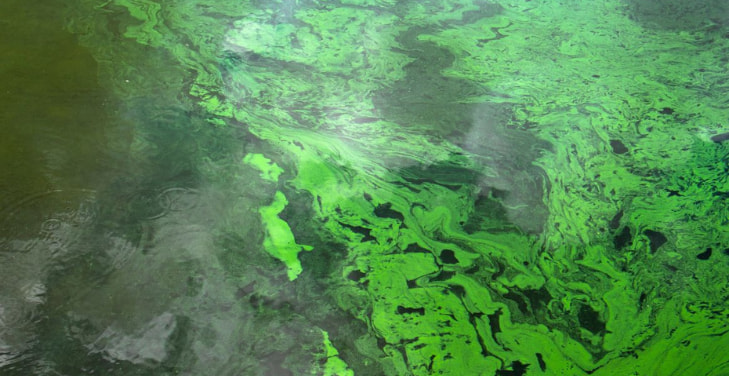
Quality-tested blue-green algae supplements help reduce contamination risks and support safer daily consumption.
Are Blue-Green Algae Safe for Most People?
Blue-green algae provides nutritional value and many bioactive compounds when the product meets quality standards. Safety depends on the raw materials, production process, and the level of impurity control throughout cultivation and harvesting.
General Safety Profile
Most healthy adults who use blue-green algae supplements according to instructions tolerate them well. Clean algae provides protein, natural pigments, vitamins, and minerals, contributing to the nutritional intake of the daily diet.
Source and Manufacturing Quality
Product quality determines safety. Reputable manufacturers use a closed-loop cultivation process and test for toxins, heavy metals, and microorganisms before releasing products to the market. Certification from independent testing organizations provides further basis for consumers to choose suitable products.
Common Side Effects of Blue-Green Algae
Blue-green algae is generally well-tolerated when used at the correct dosage and with a standard product. Some individuals may experience mild physiological reactions initially, especially as their bodies adapt to the bioactive components in the algae.
Digestive Discomfort
Digestive reactions may sometimes manifest as bloating, mild nausea, or soft stools. These symptoms usually appear during the initial period of use and gradually subside as the body adjusts to the daily algae supplement.
Headache and Dizziness
Some individuals may experience transient headaches or mild dizziness. This is related to individual physiological responses, body sensitivity, and the amount of product used per supplement.
Allergic Reactions
Individuals with sensitive constitutions may occasionally experience rashes, itching, or skin irritation after use. Monitoring for new symptoms helps assess tolerability and supports the selection of appropriate treatment options.
Contamination Risks You Should Know
The biggest risk from blue-green algae comes from impurities in the raw materials rather than the nutritional composition of the algae itself. Environmental conditions, harvesting processes, and quality control systems determine the safety of each product before it reaches the consumer.
Harmful Cyanotoxins
Some species of blue-green algae produce highly bioactive cyanotoxins. These toxins affect liver function and many other organs when accumulated in the body through poor-quality products.
Heavy Metals
Polluted water sources create conditions for lead, mercury, arsenic, and cadmium to accumulate in algae. High levels of heavy metals increase the metabolic burden and affect long-term health.
Bacterial Contamination
Uncontrolled cultivation and storage processes increase the likelihood of bacterial contamination or bioimpurities. Each batch of product must undergo rigorous testing before distribution.
Third-Party Quality Testing
Certification from independent laboratories provides a basis for evaluating the purity, active ingredient content, and safety of a product. Prioritizing brands that publicly disclose test results enhances peace of mind during use.
Can Blue-Green Algae Cause Serious Health Problems?
Blue-green algae only provides benefits when the product meets safety standards. Serious health problems mainly arise when the body is exposed to algae containing toxins or impurities for a sufficiently long period. The degree of impact depends on the toxin content, duration of use, and the individual's health condition.
Liver and Nervous System Effects
Cyanotoxins can put pressure on the liver and affect the functioning of the nervous system. Users may experience noticeable fatigue, decreased concentration, abdominal pain, or changes in liver function test results when exposed to products containing toxins.
When Immediate Medical Evaluation Is Needed
Severe abdominal pain, vomiting, jaundice, dark urine, confusion, or seizures are signs that require immediate medical evaluation. Early intervention helps identify the cause, control organ damage, and limit complications related to algal toxins.
Who Should Avoid or Use Blue-Green Algae With Caution?
Blue-green algae is suitable for many healthy adults; however, certain groups require careful evaluation before supplementation. Physiological characteristics, medical conditions, and medications used all affect tolerance and safety during long-term use.
Pregnancy and Childhood
Pregnant women, breastfeeding women, and children should consult a healthcare professional before use. This crucial developmental stage requires a nutritional source with very strict quality control standards.
Autoimmune and Liver Conditions
Individuals with autoimmune diseases or liver disease need a supplementation plan tailored to their current health status. Assessing liver function and immune system activity helps in selecting a safer product.
People Using Immunosuppressive Therapy
Immunosuppressive drugs directly affect the immune system's response. Healthcare professionals will assess the risk of interactions, monitor clinical progress, and provide recommendations tailored to each individual.
Drug and Supplement Interactions
Blue-green algae contains many bioactive compounds that can affect the effects of certain medications and supplements. Evaluating your entire current product portfolio helps develop a suitable supplementation plan, enhancing treatment effectiveness and protecting long-term health.
Interactions with Medications
Immunosuppressants and anticoagulants should be carefully monitored when used concurrently with blue-green algae. The active ingredients in the algae may impact the immune response or affect blood clotting, thereby altering treatment effectiveness in individuals.
Interactions with Herbal Supplements
Some herbs and supplements with immunomodulatory or circulatory-supportive properties may have synergistic effects when combined with blue-green algae. Healthcare professionals will assess dosage, timing, and health status to develop a personalized supplementation plan.
How to Reduce the Risk of Side Effects
Safe use of blue-green algae begins with product selection and adherence to usage instructions. Simple daily habits help limit exposure to contaminants and support the body's stable absorption of active ingredients.
Choose Certified Products
Prioritize products from reputable brands with quality certifications and independent testing results for cyanotoxin, heavy metals, and microorganisms. Transparent production processes provide a basis for assessing product safety.
Follow Proper Usage
Using the correct dosage as directed by the manufacturer or healthcare professional helps the body adapt smoothly. Store the product in a dry place, monitor for new symptoms during use, and record any changes to improve health monitoring effectiveness.
When Should You Stop Taking Blue-Green Algae?
Monitoring your body's reactions throughout the supplement helps detect early signs of abnormalities. Stopping use at the right time and seeking timely medical evaluation contributes to protecting liver function, the nervous system, and overall health.
Signs of Adverse Reactions
Widespread rash, severe itching, persistent abdominal pain, frequent vomiting, persistent diarrhea, or significant dizziness indicate an adverse reaction that needs evaluation. These symptoms should be noted and addressed promptly to minimize health impacts.
Symptoms Suggesting Contamination
Jaundice, dark urine, liver pain, severe fatigue, or altered consciousness suggest possible exposure to a toxic product. Immediate medical evaluation helps determine the cause, perform necessary tests, and develop an appropriate treatment plan.
Conclusion
Blue-green algae offers many nutritional benefits when users choose products that meet quality standards and use them according to instructions. The origin of the ingredients, testing procedures, and safety certifications always play a crucial role in protecting health.
Every decision to supplement should be based on individual health conditions, medications being used, and advice from healthcare professionals. A cautious approach, proactive monitoring, and prioritizing independently tested products help improve effectiveness while minimizing risks during long-term supplementation.
Frequently Asked Questions (FAQs)
- Does blue-green algae cause liver damage? – High-quality blue-green algae products are generally considered safe when they are free from contaminants. The risk of liver injury is primarily associated with products contaminated by cyanotoxins or other impurities. Choosing supplements that have undergone independent quality testing can help reduce this risk.
- Can blue-green algae be used daily? – Many healthy adults use blue-green algae daily according to the manufacturer's instructions or the advice of a healthcare professional. Appropriate dosing, a consistent supplementation routine, and high-quality products help support safe daily use.
- How to identify a safe blue-green algae product? – Choose products that clearly disclose their ingredient sources, manufacturing practices, and independent testing results for cyanotoxins, heavy metals, and microbial contamination. Third-party quality certifications can provide additional confidence in product safety.
- Does blue-green algae interact with medications? – Blue-green algae may interact with certain medications, including immunosuppressants and anticoagulants. Discussing your current medications and health conditions with a healthcare professional can help determine whether supplementation is appropriate.
- When should I stop using blue-green algae? – Stop using blue-green algae and seek medical attention if you develop symptoms such as a widespread rash, severe abdominal pain, persistent vomiting, jaundice, dark urine, or other unusual reactions. Prompt evaluation can help identify the cause and guide appropriate treatment.
