
Blue-green algae offers a nutritionally rich source of protein, vitamins, minerals, and many naturally occurring bioactive compounds. This ingredient is increasingly appearing in supplements for a wide range of target groups.
What makes blue-green algae so appealing to scientists and consumers worldwide? Exploring its nutritional composition, potential benefits, safe usage, and criteria for selecting quality products will provide a comprehensive perspective, leading to more informed and appropriate supplement decisions.
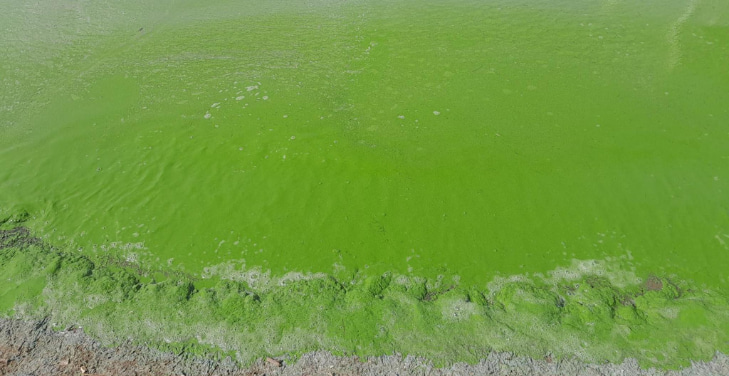
Blue-green algae contain nutrients and bioactive compounds that support overall wellness when sourced responsibly.
What Is Blue-Green Algae?
Blue-green algae attracts attention due to its high nutrient density and numerous natural bioactive compounds. This raw material appears in many supplements and plays a crucial role in modern nutrition.
Biological Classification
Blue-green algae belongs to the cyanobacteria group, photosynthetic organisms with a long evolutionary history on Earth. This group generates energy from sunlight, synthesizes many valuable bioactive compounds, and contributes to maintaining the balance of many freshwater and saltwater ecosystems.
Common Supplement Species
The supplement industry prioritizes species that are cultivated and rigorously quality-controlled. Spirulina stands out due to its high protein content, phycocyanin pigment, and many essential micronutrients, providing high nutritional value and meeting modern production standards.
Natural Sources and Cultivation
Blue-green algae grow in lakes, ponds, and mineral-rich water environments. Modern cultivation processes control temperature, light, pH, and water source to create stable growth conditions while maintaining the purity and quality of the raw material for the production of dietary supplements.
Nutritional Profile of Blue-Green Algae
Blue-green algae provides a concentrated source of nutrients with many valuable biological components. The combination of protein, micronutrients, natural pigments, and antioxidant compounds forms the foundation that makes this algae a sought-after ingredient in the field of nutrition and dietary supplements.
Protein, Vitamins, and Minerals
Blue-green algae provides a significant amount of protein along with many essential amino acids for tissue and enzyme synthesis. Its nutritional composition also includes B vitamins, beta-carotene, iron, magnesium, potassium, and many trace minerals, contributing to energy metabolism and maintaining many important physiological functions.
Antioxidants and Beneficial Lipids
Phycocyanin, chlorophyll, and carotenoid pigments provide powerful antioxidant capabilities, helping to protect cells from the effects of free radicals. Some species also contain gamma-linolenic acid (GLA), a bioavailable fatty acid that, combined with other active compounds, enhances the overall nutritional value of blue-green algae.
Potential Health Benefits of Blue-Green Algae
Blue-green algae offer numerous biological nutritional values, attracting attention in studies on overall health. Its rich composition of protein, vitamins, minerals, and active pigments supports many daily physiological processes.
Nutritional Support
The protein content and essential amino acids supplement nutrients in the diet. B vitamins, iron, and many minerals participate in energy metabolism, contributing to maintaining good health and improving daily nutritional quality.
Immune and Antioxidant Support
Phycocyanin, chlorophyll, and carotenoids provide strong antioxidant activity, helping to protect cells from oxidative stress. These bioactive compounds also support the normal functioning of the immune system and maintain a stable intracellular environment.
Energy and Overall Vitality
A rich source of micronutrients and bioactive compounds that support energy production at the cellular level, contributing to improved vitality and adaptability to the demands of daily life. Specific effectiveness depends on nutritional status, lifestyle, and the quality of the product chosen.
How Does Blue-Green Algae Work in the Body?
After digestion, the nutrients and active compounds in blue-green algae participate in many important biological processes. The body absorbs these components to support metabolism, protect cells, and maintain stable physiological functions.
Nutrient Absorption
Proteins, amino acids, vitamins, and minerals pass through the digestive system, then participate in the synthesis of enzymes, hormones, and many cellular structures. This rich source of nutrients contributes to maintaining metabolic function and energy production.
Antioxidant Activity
Phycocyanin, chlorophyll, and carotenoids neutralize free radicals, helping reduce oxidative stress in cells. This mechanism helps maintain the integrity of cell membranes and many important biological structures.
Cellular Support
Bioactive compounds help regulate many cellular signals related to homeostasis. A stable cellular environment facilitates the regeneration and maintenance of the function of many organs.
Metabolic Function
Many micronutrients in blue-green algae support the activity of enzymes involved in the metabolism of carbohydrates, lipids, and proteins. This process contributes to optimizing energy use and maintaining overall health every day.
Blue-Green Algae vs. Spirulina vs. Chlorella
Blue-green algae, spirulina, and chlorella are all commonly found in nutritional supplements. Each source possesses its own unique biological composition, resulting in different nutritional characteristics and applications.
Classification and Origin
Blue-green algae is the general name for a group of photosynthetic cyanobacteria. Spirulina belongs to the cyanobacteria group and is a prominent representative in nutritional supplements. Chlorella belongs to the unicellular green algae group, developing with a cell structure rich in chlorophyll and many essential nutrients.
Nutritional Characteristics
Spirulina is notable for its high protein content and phycocyanin pigment. Chlorella provides abundant chlorophyll, vitamins, minerals, and many natural carotenoids. Blue-green algae include many different species, so the nutritional composition varies depending on the source and cultivation process.
Choosing the Right Supplement
Product selection depends on nutritional goals, ingredient quality, and testing procedures. Products that undergo independent testing, clearly disclose ingredients, and meet safety standards provide consistent value and enhance reliability for long-term supplementation.
Who May Benefit From Blue-Green Algae?
Blue-green algae provides a rich source of protein, vitamins, minerals, and bioactive compounds. These characteristics make it a suitable choice for many groups of people wishing to supplement their daily diet with nutrients.
Nutritional Support for Active Lifestyles
Individuals who exercise regularly, play sports, or work intensely can use blue-green algae as a source of protein and micronutrients. These nutrients support energy metabolism, tissue repair, and vitality in daily activities.
Plant-Based Diets and Healthy Aging
People following plant-based diets and older adults can benefit from the diverse nutrients in blue-green algae. The high content of vitamins, minerals, carotenoids, and antioxidants contributes to a richer diet, supports cellular health, and maintains physiological function during the natural aging process.
Is Blue-Green Algae Safe?
Blue-green algae provides nutritional value when the product meets quality standards and is used according to instructions. Safety depends on the source of the raw materials, the production process, and the health characteristics of each user.
General Safety Profile
Products grown under controlled conditions, undergoing quality testing, and adhering to production standards offer a high level of safety for most healthy adults. Choosing a reputable brand contributes to product reliability.
Contamination and Individual Considerations
Some naturally harvested sources may contain microcystin, heavy metals, or unwanted microorganisms if quality control processes are not rigorous. Pregnant women, breastfeeding mothers, people with autoimmune diseases, or those taking medication should consult a healthcare professional before supplementing with blue-green algae.
Possible Side Effects
Some people may experience bloating, digestive discomfort, or mild headaches during the initial period of use. Starting with an appropriate dosage and staying hydrated will help your body adapt more easily to the product.
How to Choose and Use Blue-Green Algae Supplements
Choosing the right product significantly impacts the nutritional value and safety of blue-green algae. High-quality products provide a stable source of nutrients and give users peace of mind during long-term supplementation.
Select Reputable Products
Prioritize brands that clearly disclose their raw material sources, cultivation processes, and production standards. Certification from independent laboratories helps verify the purity, active ingredient content, and quality of the finished product before it is released to the market.
Follow Appropriate Dosage
The dosage should closely follow the instructions on the product label or recommendations from a healthcare professional. Maintaining a consistent daily intake ensures stable nutrient absorption and optimal nutritional benefits.
Store and Use Properly
Store the product in a cool, dry place away from direct sunlight to maintain the stability of the active compounds. Checking the expiration date, packaging condition, and storage conditions helps maintain quality throughout the product's shelf life.
Can Blue-Green Algae Fit Into a Healthy Lifestyle?
Blue-green algae is valuable when incorporated into a healthy lifestyle and balanced diet. This supplement enriches the diet while supporting long-term health goals.
Balanced Nutrition
Blue-green algae adds protein, vitamins, minerals, and antioxidants to the daily diet. A varied diet with green vegetables, fruits, whole grains, and protein-rich foods provides a comprehensive nutritional foundation, helping the body effectively utilize the added nutrients.
Healthy Daily Habits
Quality sleep, regular physical activity, stress management, and proper hydration contribute to overall health. Blue-green algae, combined with these habits, provides lasting value, supporting the body in maintaining balance and vitality in daily life.
Conclusion
Blue-green algae provides a valuable source of protein, vitamins, minerals, and bioactive compounds. The quality of the raw materials, the production process, and proper usage form the foundation for consistent supplemental effectiveness, contributing to overall health.
Choosing a quality-tested product, combined with a balanced diet and a healthy lifestyle, optimizes the benefits of blue-green algae. Healthcare professionals will provide guidance tailored to individual needs and health conditions.
Frequently Asked Questions (FAQs)
- Is blue-green algae the same as spirulina? – No. Spirulina is a specific type of cyanobacteria, commonly referred to as blue-green algae. The term blue-green algae includes many different species, while spirulina represents only one group that is widely cultivated and used in dietary supplements.
- Can blue-green algae be used daily? – Many adults use blue-green algae daily according to the manufacturer's instructions or the advice of a healthcare professional. The appropriate dosage depends on individual nutritional goals, health status, product formulation, and the concentration of active ingredients.
- Does blue-green algae provide sufficient protein? – Blue-green algae provides a substantial amount of protein along with essential amino acids, contributing to overall dietary protein intake. It is most beneficial when included as part of a balanced diet that contains a variety of nutrient-rich whole foods.
- How to choose safe blue-green algae products? – Choose products from reputable manufacturers that clearly disclose ingredient sources and provide independent testing for purity and quality. Third-party certifications can help reduce the risk of contamination with toxins, heavy metals, and other unwanted substances.
- Who should consult a healthcare professional before use? – Pregnant or breastfeeding women, people with autoimmune diseases or liver disease, and those taking prescription medications should consult a healthcare professional before using blue-green algae supplements. Individual assessment helps determine the most appropriate product and dosage.
