
While many people are interested in synthetic hair growth stimulants, pumpkin seed oil is attracting researchers due to its natural nutrients and growing scientific evidence. This trend is creating a new perspective on the role of nutrition in supporting scalp and hair follicle health.
Current research continues to clarify the mechanism of action, potential effectiveness, safety, and usage of pumpkin seed oil. A thorough understanding of these factors helps develop a scientific hair care strategy that aligns to improve hair health over time.
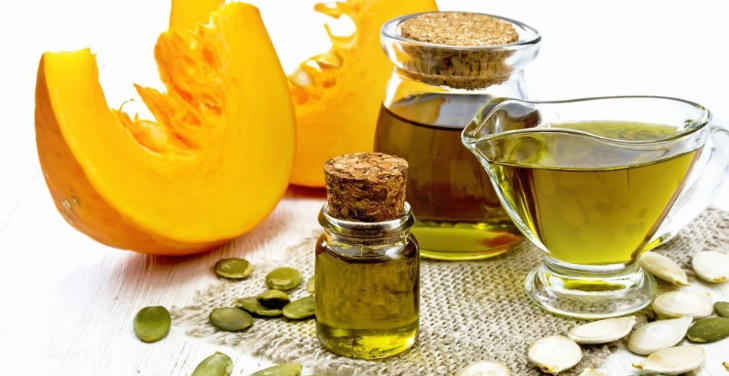
Pumpkin seed oil contains nutrients that may support healthier hair and scalp over time.
What Is Pumpkin Seed Oil?
Pumpkin seed oil is a nutrient-rich vegetable oil extracted from pumpkin seeds and widely used in nutrition, healthcare, and beauty. Its natural composition contains many valuable bioactive compounds beneficial to the scalp and hair follicles.
Source and Extraction Process
Manufacturers harvest ripe pumpkin seeds, clean them, and then press them to extract the oil. The cold-pressing method helps retain essential fatty acids, vitamin E, and antioxidants, enhancing the product's quality and nutritional value.
Key Nutrients and Bioactive Compounds
Pumpkin seed oil provides linoleic acid, oleic acid, vitamin E, phytosterols, carotenoids, and polyphenols. These nutrients help protect cells, support scalp health, and help maintain a favorable environment for hair follicles.
Common Supplement and Topical Forms
Pumpkin seed oil is available in capsule form, oral liquid oil, and hair and scalp care products. Each form of use addresses the goal of supplementing nutrients or supporting hair care according to individual needs.
Does Pumpkin Seed Oil Help Hair Growth?
Pumpkin seed oil has garnered significant attention in the hair care field due to initial research findings on its potential to support hair growth. Existing data suggests this oil shows promise, while the scientific community continues to expand the evidence to assess its long-term effectiveness.
What Scientific Studies Have Found
Several clinical studies have noted that pumpkin seed oil contributes to improved hair density and quantity in a group of participants after regular use. These results provide a foundation for further research into the role of this oil.
Potential Effectiveness for Pattern Hair Loss
Pumpkin seed oil shows potential to support individuals experiencing hormonal hair loss, particularly in men. The bioactive compounds in the oil contribute to creating a favorable environment for hair follicle growth.
Current Limitations of the Evidence
The number of current studies remains modest, and participant numbers are limited. Numerous new studies are ongoing, evaluating dosage, duration of use, and efficacy across different population groups to strengthen the scientific evidence.
How Might Pumpkin Seed Oil Support Hair Growth?
Pumpkin seed oil can support hair growth through various biological mechanisms related to hormones, antioxidants, and nourishing hair follicles. The combination of bioactive compounds creates a favorable foundation for a healthy hair growth cycle.
Effects on Hormones Linked to Hair Loss
The phytosterols in pumpkin seed oil are believed to regulate the activity of the enzyme 5-alpha-reductase, thereby helping reduce the effects of dihydrotestosterone on hair follicles. This mechanism has received much attention in research on hormonal hair loss.
Antioxidant and Anti-Inflammatory Properties
Vitamin E, carotenoids, and polyphenols help protect hair follicles from oxidative stress and support the maintenance of a healthy scalp environment. These factors contribute to a favorable hair growth cycle.
Nutritional Support for Healthy Follicles
Unsaturated fatty acids and micronutrients in pumpkin seed oil provide essential nutrients for hair follicle cells. This continuous nourishment contributes to increased hair vitality and supports sustainable growth.
Who May Benefit the Most?
Pumpkin seed oil has the potential to support many groups experiencing hair and scalp problems. The level of response depends on the cause of hair loss, nutritional status, and individual biological characteristics, so the effects are always individual.
Men with Androgenetic Alopecia
Men with hormonal hair loss are the most studied group. The active compounds in pumpkin seed oil may help facilitate hair follicle growth and support improved hair density over time.
Women Experiencing Hair Thinning
Women experiencing thinning or decreased hair density may benefit from combining pumpkin seed oil with a balanced diet. The nutrients in the oil contribute to nourishing the scalp and supporting hair health.
People with Dry Scalp or Damaged Hair
People with dry scalp, brittle hair, or damaged hair often turn to pumpkin seed oil to supplement fatty acids and antioxidants. These ingredients help improve moisture, increase softness and smoothness, and enhance the vitality of the hair.
How to Use Pumpkin Seed Oil for Hair
The effectiveness of pumpkin seed oil depends on how it's used, the duration of use, and your hair care goals. Combining internal supplementation with external care helps to better utilize the nutrients in this plant-based oil.
Oral Supplements
Many studies evaluate pumpkin seed oil in capsule or oral oil form. Users should follow the manufacturer's dosage or guidance from a healthcare professional to maintain a stable level of nutrients in the body.
Topical Application
Pumpkin seed oil can be applied directly to the scalp and hair, combined with gentle massage to help distribute it evenly across the skin surface. This method contributes to increased moisture, improved softness, and nourishment of hair strands.
Frequency and Consistency
Regular use over several weeks or months allows the nutrients to support the hair growth cycle. A balanced diet, proper scalp care, and a healthy lifestyle contribute to long-term effectiveness.
How Long Does It Take to See Results?
Hair growth follows a natural biological cycle, so results from pumpkin seed oil usually appear after a period of consistent use. Persistence and maintaining a suitable hair care routine contribute to creating a more efficient environment for hair follicles.
Typical Timelines from Research
Several clinical studies have noted improvements in hair density and thickness after approximately 3–6 months of regular pumpkin seed oil use. This timeframe aligns with the growth and regeneration cycle of hair follicles.
Factors Influencing Outcomes
Age, hormones, nutrition, hair loss level, scalp condition, and genetic factors all influence the response rate. Proper hair care optimizes the environment for hair growth.
Setting Realistic Expectations
Each person experiences different rates of improvement. Consistent use, combined with a balanced diet and a healthy lifestyle, contributes to improved hair care results in the long term.
Are There Any Side Effects or Risks?
Pumpkin seed oil has a positive safety profile in most current studies; however, some individuals may still experience adverse reactions depending on their individual sensitivities and usage. Understanding potential risks helps ensure more effective and appropriate hair care.
General Safety Profile
Most adults tolerate pumpkin seed oil well when used as directed. Clinical studies have shown low rates of side effects when supplemented at appropriate dosages.
Possible Allergic Reactions
Individuals with allergies to pumpkin seeds may experience itching, rash, hives, or lip swelling after use. Monitoring your body's reaction helps detect early signs that require medical evaluation.
When to Consult a Healthcare Professional
Individuals undergoing treatment for chronic illnesses, taking prescription medications, or experiencing persistent symptoms should consult a healthcare professional before continuing to supplement with pumpkin seed oil. Professional guidance helps create a hair care plan tailored to each individual.
Pumpkin Seed Oil vs. Other Hair Growth Options
Pumpkin seed oil is one of many popular options for hair care. Each method works through its own mechanism, so the right choice depends on the cause of hair loss, treatment goals, and individual health conditions.
Minoxidil
Minoxidil is a topical medication with significant clinical evidence demonstrating its ability to stimulate hair growth and prolong the hair follicle growth phase. Pumpkin seed oil offers a nutritional approach using bioactive compounds to support hair follicle health.
Rosemary Oil
Rosemary oil is commonly used in scalp care due to its antioxidant properties and ability to support local circulation. Pumpkin seed oil provides essential fatty acids, vitamin E, and phytosterols to nourish the scalp and hair strands.
Biotin Supplements
Biotin is suitable for those needing to supplement B vitamins related to hair and nail health. Pumpkin seed oil focuses on healthy fats and plant compounds, thereby offering a different approach to supporting hair growth.
Conclusion
Current evidence suggests that pumpkin seed oil has the potential to support scalp health and hair growth through various biological mechanisms related to nutrition, antioxidant activity, and balancing the hair follicle environment. Effectiveness depends on the duration of use, the severity of hair loss, and individual characteristics.
Consistent use, combined with a balanced diet, proper scalp care, and consultation with a healthcare professional when needed, helps build a safe, practical, and long-term hair care strategy.
Frequently Asked Questions (FAQs)
- Can pumpkin seed oil really promote hair growth? – Some clinical studies suggest that pumpkin seed oil may help improve hair density and thickness, particularly in people with androgen-related hair loss. Individual results vary depending on the underlying cause of hair loss, treatment duration, and personal health factors.
- How long should you use pumpkin seed oil before seeing results? – Many clinical studies evaluate pumpkin seed oil over a period of 3–6 months to assess changes in hair density. Consistent use, along with a balanced diet and proper scalp care, may help support optimal outcomes.
- Should pumpkin seed oil be taken orally or applied to the scalp? – Both oral supplements and topical applications are used for hair care. Oral use supplies nutrients throughout the body, while topical application focuses on the scalp and hair. The most appropriate approach depends on individual goals and preferences.
- Can women use pumpkin seed oil for thinning hair? – Women with thinning hair or reduced hair density may consider pumpkin seed oil as part of a comprehensive hair care plan. Results are often supported by a nutritious diet, healthy lifestyle habits, and appropriate management of underlying causes of hair loss.
- Is pumpkin seed oil better than rosemary oil for hair growth? – Pumpkin seed oil and rosemary oil have different characteristics and may support hair health through different mechanisms. Pumpkin seed oil provides fatty acids and phytosterols, while rosemary oil is commonly used for scalp care. The most suitable option depends on individual hair care goals and needs.
