
Chamomile tea is increasingly part of the global trend toward natural health care. Many people choose this beverage as part of their daily routine due to its mild aroma and rich composition of bioactive plant compounds.
Concern about the appropriate daily amount of chamomile tea is also growing as consumers focus on using herbs scientifically. Understanding the right consumption levels, optimal times to enjoy it, and important considerations helps build safe, sustainable, and personalized habits.
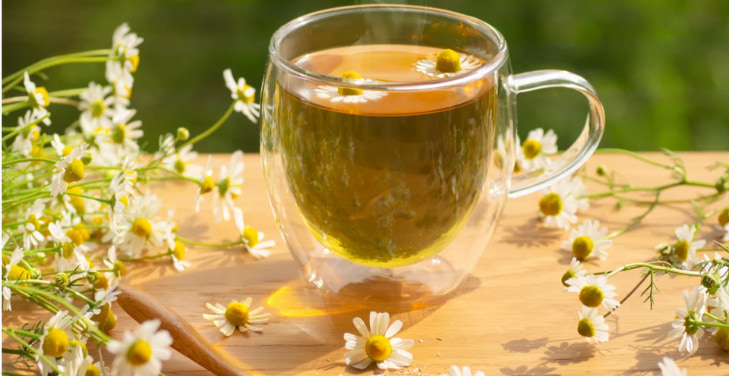
Daily chamomile tea intake depends on individual tolerance, health goals, and brewing strength preferences.
What Is Chamomile Tea?
Chamomile tea is a traditional herbal beverage made from dried chamomile flowers rich in natural plant compounds. Its delicate aroma and mild sweetness make it popular in many cultures and a familiar choice in daily health care routines.
Common Chamomile Varieties
Two common chamomile varieties are German chamomile (Matricaria chamomilla) and Roman chamomile (Chamaemelum nobile). Each variety possesses unique bioactive components, creating distinct aromas and offering different values in herbal tea products.
Why People Enjoy Chamomile Tea
Many people choose chamomile tea for its pleasant flavor and the relaxing feeling it provides. This tea is suitable for many times of the day and helps supplement the diet with natural antioxidants.
Natural Plant Compounds
Chamomile contains flavonoids, apigenin, bisabolol, and chamazulene, plant compounds with notable bioactive properties. These components contribute to the characteristic aroma, support antioxidant capabilities, and enrich the nutritional value of each cup of chamomile tea.
How Much Chamomile Tea Per Day Is Generally Recommended?
The appropriate daily amount of chamomile tea depends on individual needs, health conditions, and brewing concentration. For most healthy adults, 2–4 cups of chamomile tea per day, with each cup being approximately 240 ml, generally meets enjoyment needs and provides a reasonable intake of plant compounds.
Typical Daily Intake
Many nutritional guidelines suggest 2–3 cups per day as a common amount. Regular consumption helps the body absorb flavonoids and other bioactive compounds at a consistent rate, while also promoting relaxation in daily life.
Individual Factors
Physical condition, weight, diet, sensitivity to herbs, and health goals all influence the appropriate amount of tea. Individuals can adjust the number of cups based on their body's response and brewing intensity.
Importance of Moderation
Balanced consumption contributes to a pleasant drinking experience and supports the development of a long-term habit. Combining chamomile tea with a varied diet, adequate sleep, and a healthy lifestyle optimizes the value of this herbal beverage.
What Factors Affect the Right Daily Amount?
The appropriate daily amount of chamomile tea varies depending on individual physiological characteristics and health needs. Assessing personal factors helps establish a reasonable usage habit, maintain effectiveness, and enhance long-term safety.
Age and General Health
Age, physical condition, weight, and level of physical activity all affect the tolerance of chamomile tea. Healthy adults are generally suited to a stable amount, while each stage of life requires consideration of individual physiological needs to adjust the number of cups of tea per day.
Pregnancy and Breastfeeding
Pregnancy and breastfeeding require caution in choosing herbs. Expert advice from healthcare professionals helps determine the appropriate amount of tea based on health conditions, contributing to a comprehensive care regimen for both mother and child.
Medical Conditions and Medications
Certain chronic medical conditions and medications such as anticoagulants, sedatives, or immunosuppressants may affect your chamomile tea regimen. Considering your medical history and current medications will help determine the appropriate amount of tea for you.
Does Brewing Strength Change Daily Intake?
The brewing strength directly affects the amount of plant compounds dissolved in each cup. Adjusting your daily tea intake based on brew strength helps build a suitable drinking habit and maintain stability in your diet.
Mild and Strong Infusions
Longer brewing times and more chamomile flowers create a stronger tea with a higher concentration of active ingredients. Lighter brews offer a milder flavor and are suitable for frequent daily use.
Tea Bags and Loose Flowers
Tea bags provide a consistent amount of ingredients between infusions. Loose chamomile flowers allow you to adjust the quantity to your preference, creating a flexible strength level to suit individual needs.
Serving Size Matters
The volume of each cup also contributes to determining the total amount of tea consumed daily. A serving of approximately 240 ml makes portion control convenient and helps maintain balanced intake throughout the day.
When Is the Best Time to Drink Chamomile Tea?
The timing of drinking chamomile tea affects the enjoyment experience and its ability to harmonize with daily routines. Choosing the right time helps maintain a stable habit and allows the body to regularly absorb the plant compounds.
Morning and Afternoon
A cup of chamomile tea in the morning or early afternoon provides a feeling of calm and relaxation. The gentle aroma helps start the day pleasantly or provides a short break between busy work schedules.
Before Bedtime
Many people choose chamomile tea about 30–60 minutes before bedtime as part of their evening relaxation routine. A quiet space and a warm cup of tea contribute to a feeling of comfort and prepare for quality sleep.
With or Between Meals
Chamomile tea is suitable to be enjoyed with light meals or between main meals. This arrangement helps maintain daily water intake, creates a balanced drinking rhythm, and makes it easy to form a long-term habit.
Can You Drink Too Much Chamomile Tea?
Chamomile tea offers many benefits when consumed in appropriate amounts as part of a daily diet. However, consuming very large quantities or consistently drinking very strong tea can increase the likelihood of adverse reactions in sensitive individuals.
Potential Effects of Excessive Intake
Excessive tea intake in a short period can lead to noticeable drowsiness, bloating, or gastrointestinal discomfort. Strong tea with a high concentration of active ingredients also intensifies the biological effects of natural compounds.
Signs to Watch For
Prolonged fatigue, excessive drowsiness, skin irritation, or sensitivity after drinking tea indicate that the body needs to adjust its intake. Monitoring individual reactions helps in developing a more suitable habit.
Adjusting Daily Consumption
Reducing the number of tea cups per day or brewing tea with a milder concentration helps the body adapt more easily. Consulting with a healthcare professional provides appropriate guidance for individuals with underlying medical conditions or those taking long-term medications.
Who Should Limit or Avoid Chamomile Tea?
Chamomile tea is suitable for many adults; however, certain groups should carefully consider their health history and related factors before incorporating it into their daily routine. Assessing their health history and other relevant factors helps develop a safe and appropriate usage plan.
People with Daisy Family Allergies
Individuals who have previously experienced reactions to plants in the daisy family, such as marigolds, ragweed, or daisies, are at a higher risk of developing hypersensitivity reactions when using chamomile tea. Consulting a healthcare professional is necessary to determine appropriate use.
People Taking Certain Medications
Anticoagulants, sedatives, and certain medications that affect the central nervous system may be affected by the natural compounds in chamomile. A healthcare professional will assess the specific condition to guide the appropriate amount of tea to use within the treatment plan.
Before Surgery
Patients preparing for surgery should discuss their chamomile tea consumption habits with their doctor in the period leading up to the procedure. Reviewing all supplements and herbs being used will help ensure a smoother and more effective medical care process.
Tips for Drinking Chamomile Tea Safely
Proper usage habits help chamomile tea maximize its value in your daily diet. Choosing quality ingredients, appropriate brewing methods, and maintaining consistent consumption contribute to an enhanced tea-drinking experience and support long-term health.
Choose High-Quality Tea
Prioritize products with clear origins, transparent production processes, and complete quality control standards. Properly preserved chamomile flowers retain their natural aroma, uniform color, and stable levels of plant-based active ingredients.
Brew the Tea Properly
Hot water at approximately 90–95°C and a steeping time of 5–10 minutes effectively extract the bioactive compounds in chamomile. The right ratio of ingredients creates a harmonious and pleasant flavor in each cup of tea.
Build a Consistent Routine
Maintaining a consistent daily tea intake helps your body naturally adapt to this herbal beverage. Combining chamomile tea with a balanced diet, regular exercise, and quality sleep creates a solid foundation for overall health.
How Does Daily Chamomile Tea Compare With Herbal Alternatives?
Each herbal tea possesses its own active ingredients and flavor characteristics, creating different experiences in daily health care. Choosing the right tea depends on personal goals, taste, and lifestyle habits.
Chamomile and Lemon Balm Tea
Chamomile tea contains apigenin, bisabolol, and many natural flavonoids, while lemon balm tea is rich in rosmarinic acid and plant polyphenols. Many people choose chamomile tea in the evening for its mild aroma, while lemon balm tea provides a refreshing and pleasant feeling at various times of the day.
Chamomile and Peppermint Tea
Peppermint tea stands out with its menthol oil, creating a cooling sensation and refreshing aroma. Chamomile tea has a light floral scent and a mild taste, diversifying herbal beverage options in the daily menu.
Choosing the Right Herbal Tea
Rotating between different types of quality herbal teas helps supplement a variety of plant compounds and enrich the diet. A balanced regimen, combined with proper nutrition and a healthy lifestyle, contributes to long-term overall health.
Conclusion
Chamomile tea offers a suitable herbal option for daily health care when used in appropriate amounts and with the right brewing methods. Choosing the right time to drink, the quality of the ingredients, and the appropriate serving size optimize the enjoyment and maintain nutritional value.
Each individual has unique needs based on age, health status, and usage goals. Consulting a healthcare professional with underlying medical conditions or medications will help develop a safe, scientific, and sustainable long-term plan for using chamomile tea.
Frequently Asked Questions (FAQs)
- Can chamomile tea be consumed every day? – Many healthy adults may enjoy chamomile tea daily in moderation as part of a balanced diet and healthy lifestyle. Regular consumption can support a consistent herbal tea routine while providing naturally occurring plant compounds.
- Does chamomile tea contain caffeine? – Chamomile tea is a naturally caffeine-free herbal tea. Because it contains no caffeine, it is commonly chosen for evening relaxation or whenever a mild herbal beverage is preferred.
- Is it better to drink chamomile tea hot or cold? – Hot chamomile tea offers a warm, aromatic experience, while iced chamomile tea provides a refreshing alternative. Both preparations retain the tea's naturally occurring plant compounds, and the best choice depends on personal preference and the occasion.
- How long should chamomile tea steep? – Steeping chamomile tea for about 5–10 minutes allows its flavor, aroma, and naturally occurring plant compounds to infuse into the water. Brewing time can be adjusted slightly to match your preferred taste.
- Can chamomile tea be combined with other herbal teas? – Chamomile tea is often blended with herbal teas such as lemon balm or peppermint to create a variety of flavors. These combinations can enhance the drinking experience while adding a diverse range of naturally occurring plant compounds.
