
Interest in lemon balm is growing due to the trend toward herbal remedies that support relaxation, sleep, and mental well-being. Many supplements, herbal teas, and standardized extracts are widely available on the market, attracting consumers seeking natural health solutions.
Effective use of lemon balm always requires understanding its side effects, drug interactions, and safety precautions. Up-to-date scientific knowledge helps select the right target audience, determine appropriate dosages, and develop a supplementation plan that meets long-term health goals.
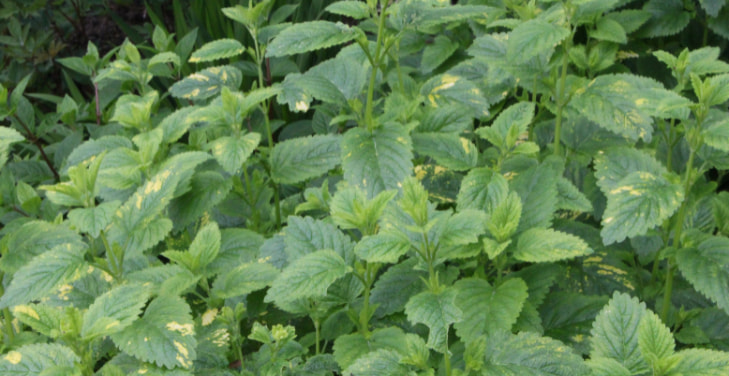
Knowing lemon balm safety helps reduce side effects and supports responsible herbal supplement use.
What Is Lemon Balm?
Lemon balm (Melissa officinalis) is an ancient herb belonging to the mint family, notable for its refreshing aroma and rich botanical active ingredients. This plant plays an important role in traditional medicine and continues to receive attention in nutrition and modern health research.
Traditional Medicinal Uses
Many traditional medicine systems use lemon balm to promote mental relaxation, improve sleep quality, soothe the digestive system, and support overall health. Its long-standing applications ensure this herb maintains its important place in many natural health formulas.
Active Compounds
Lemon balm contains rosmarinic acid, flavonoids, terpenoids, and natural essential oils. These bioactive compounds contribute to its distinctive biological properties, attracting numerous studies on neuroscience, antioxidant activity, and cellular health.
Common Forms of Supplementation
Lemon balm is available in many forms, including herbal tea, dried leaves, capsules, tablets, liquid extracts, and standardized extracts. Each form offers flexibility in choice, meeting a variety of health care goals and daily needs.
Is Lemon Balm Safe for Most People?
Lemon balm has a favorable safety profile when used at the correct dosage and with quality-certified products. Numerous human studies have shown good tolerability in most adults, while also emphasizing the role of dosage and individual characteristics in optimizing effectiveness.
General Safety Profile
Clinical studies have shown lemon balm to be suitable for many healthy individuals when used as directed. Its natural active ingredients provide a foundation for its application in mental health care, supporting relaxation and improving sleep quality.
Evidence from Human Studies
Human trials have shown lemon balm to be well tolerated across a range of dosages. Further research continues to expand our understanding of the efficacy, safety, and value of this herb in healthcare.
Factors Affecting Individual Tolerance
Age, physical condition, dosage, formulation, active ingredient concentration, and health status all affect tolerance. Choosing a standardized product and developing a suitable usage plan helps the body tolerate lemon balm consistently and effectively.
Common Side Effects of Lemon Balm
Lemon balm is generally well-tolerated by many adults, although some mild reactions may occur during initial use or when using higher doses. The severity of these reactions depends on physiological characteristics, the formulation, and the active ingredient content of each product.
Drowsiness, Headache, and Dizziness
Some people may experience drowsiness, decreased alertness, headaches, or mild dizziness after taking lemon balm. These symptoms are often related to the relaxing effects on the central nervous system and individual sensitivity. Choosing the right dosage helps the body adapt better to the natural active ingredients.
Digestive Discomfort
Some cases have reported bloating, stomach discomfort, or mild changes in digestive activity. The product form, the time of use, and the amount of active ingredient in each serving influence this. Using products that meet quality standards along with clear instructions contributes to improved tolerance and a consistent user experience.
Can Lemon Balm Cause Serious Health Risks?
Lemon balm has a positive safety profile when used as directed, but some specific situations require more careful attention to ensure health. Understanding potential risks helps develop appropriate supplementation plans and enhances safety during long-term use.
Excessive Sedation
High doses or sensitive individuals may experience increased drowsiness, reduced alertness, and impaired concentration. Stronger relaxation effects are more common when the active ingredient significantly impacts the central nervous system.
Thyroid-Related Concerns
Some studies raise concerns about the link between lemon balm and thyroid function. Individuals with thyroid conditions or those undergoing endocrine monitoring should develop a suitable usage plan in consultation with a healthcare professional.
Rare Allergic Reactions
In a few cases, hypersensitivity reactions to lemon balm ingredients have been reported, manifesting as rash, itching, or soft tissue swelling. Monitoring the body's reaction from the beginning of use helps assess tolerance and choose appropriate care.
Who Should Avoid Lemon Balm?
Lemon balm is suitable for many adults; however, certain groups require careful assessment of their health status before supplementation. Identifying the most sensitive groups helps develop appropriate usage plans, increasing safety and supporting effective long-term monitoring.
Pregnant and Breastfeeding Women
Pregnant and breastfeeding women should consult with a healthcare professional before using lemon balm. This period involves many physiological and hormonal changes, so the choice of any herbal product should be based on an assessment of benefits, dosage, and available safety data.
People with Thyroid Disorders and Upcoming Surgery
Individuals with thyroid disorders or those preparing for surgery should develop a usage plan under the guidance of a doctor. Lemon balm may affect thyroid function in some cases and have a relaxing effect on the nervous system. Assessing medical history, current medications, and the timing of supplementation helps optimize safety throughout the healthcare process.
Drug Interactions You Should Know
Lemon balm can interact with certain drug classes through its effects on the central nervous system and its role in regulating physiological functions. Understanding potential interactions helps in developing a safe usage plan and assists healthcare professionals in making a comprehensive assessment when combining herbs with medications.
Sedatives and Sleep Medications
Lemon balm can enhance relaxation when used with sedatives or sleep aids. This combination may increase drowsiness and reduce concentration. Dosage and timing should be adjusted according to healthcare professional guidance.
Thyroid Hormone Medications
Individuals taking thyroid hormone medication should consult their doctor before adding lemon balm. Some studies suggest that the active ingredients in this herb may affect thyroid function, thereby impacting treatment effectiveness and endocrine function monitoring.
Alcohol and Central Nervous System Depressants
Alcohol and other central nervous system depressants may enhance the relaxing effects of lemon balm. A comprehensive assessment of all medications, supplements, and beverages used helps develop appropriate supplementation plans, contributing to safer healthcare practices.
Can You Take Too Much Lemon Balm?
Lemon balm is most effective when used within appropriate dosage limits. Excessive or prolonged use beyond recommended amounts can increase the biological effects of the active ingredient and lead to more pronounced adverse reactions.
Symptoms of Excessive Intake
High doses of lemon balm can increase drowsiness, decrease alertness, and cause headaches, dizziness, or a feeling of physical heaviness. Some people may also experience digestive discomfort due to the body's reaction to a large amount of the active ingredient in a short period.
Factors Increasing the Risk
Age, weight, liver function, health status, dosage form, and extract concentration all affect tolerance. Simultaneous use of multiple lemon balm products also increases the total amount of the active ingredient ingested.
Safe Dosage Considerations
The appropriate dosage should be based on the manufacturer's instructions, the intended use, and a healthcare professional's assessment. Choosing standardized products, adhering strictly to recommendations, and monitoring your body's response helps maintain the supplement's effectiveness while enhancing safety during use.
How to Reduce the Risk of Side Effects
Using lemon balm scientifically improves tolerance and maintains long-term effectiveness. Choosing a quality product, applying the appropriate dosage, and monitoring your body's reaction are crucial for reducing the risk of side effects during supplementation.
Start Low and Choose Quality Products
Starting with a low dose allows your body to gradually adapt to the natural active ingredients in lemon balm. Products with clear origins, standardized production processes, and standardized extract content provide high stability and help control the amount of active ingredient in each use.
Monitor Your Body and Follow Directions
Observing alertness levels, sleep quality, digestive sensations, and changes after supplementation helps accurately assess tolerance. Following the manufacturer's or healthcare professional's instructions, maintaining the dosage appropriate for your health goals, and observing your body's response contribute to developing a safe, effective, and sustainable use plan.
When Should You Stop Taking Lemon Balm?
Assessing when to stop using lemon balm helps protect your health and maintain the effectiveness of long-term care. Unusual bodily changes, new treatment plans, or medical procedures are all important factors to consider when adjusting your supplement regimen under the guidance of a healthcare professional.
Persistent Adverse Reactions
Persistent drowsiness, dizziness, headaches, digestive discomfort, or rashes reflect decreased tolerance. Stopping use and discussing with a healthcare professional helps identify the cause, assess its relevance, and choose appropriate care.
Before Surgery or Medical Procedures
Individuals preparing for surgery or medical procedures should proactively inform their healthcare professional about their use of lemon balm. A thorough assessment of all medications, supplements, and herbs before intervention helps the healthcare team develop a safe and optimal treatment plan.
Changes in Medical Treatment
Initiating new medications, adjusting dosages, or the emergence of new medical conditions should be accompanied by a reassessment of the lemon balm supplement plan. This approach helps healthcare professionals monitor potential interactions, optimize treatment effectiveness, and maintain safety throughout the healthcare process.
Conclusion
Lemon balm offers many benefits in supporting relaxation and improving health when used correctly, in the right dosage, and at the right time. Choosing a product that meets standards, monitoring the body's reaction, and following professional guidance will enhance its effectiveness.
A cautious approach, assessing medical history, medications being used, and individual health needs, forms the foundation for safe lemon balm use. Staying informed about scientific research and consulting healthcare professionals helps protect long-term health and maximize the benefits of this herbal remedy.
Frequently Asked Questions (FAQs)
- Is lemon balm safe for daily use? – Lemon balm may be suitable for many adults when used at the recommended dosage and as part of a quality-certified product. Monitoring your body's response and having regular discussions with a healthcare professional can help support safe and effective long-term use.
- Does lemon balm cause daytime drowsiness? – Lemon balm contains compounds that may promote relaxation, and some people may experience drowsiness or reduced alertness. Adjusting the timing of use and following the recommended dosage may help reduce unwanted daytime effects.
- Can lemon balm be used with other supplements? – Lemon balm can be combined with other supplements in some situations, but the decision should consider the active ingredients, intended use, and individual health goals. A healthcare professional can help evaluate potential interactions and recommend an appropriate supplementation plan.
- Who should consult a healthcare professional before using lemon balm? – People who are pregnant or breastfeeding, have thyroid conditions, are preparing for surgery, or take prescription medications should consult a healthcare professional before using lemon balm. Personalized guidance can help determine appropriate use and dosage.
- How to choose a quality lemon balm product? – Look for lemon balm products with clear sourcing, standardized manufacturing, transparent labeling, and standardized extract content when available. Third-party quality certifications and complete usage instructions can also help you choose a reliable product.
