
Many people view hops simply as a flavoring ingredient for beer. In reality, this plant contains numerous bioactive compounds that have attracted the attention of researchers in the fields of sleep, relaxation, and overall health.
Hops are present in many forms of dietary supplements aimed at supporting nervous system balance and improving rest quality. Understanding the advantages, limitations, uses, and suitable target groups helps individuals make scientifically based decisions about supplementation that align with their personal health needs.
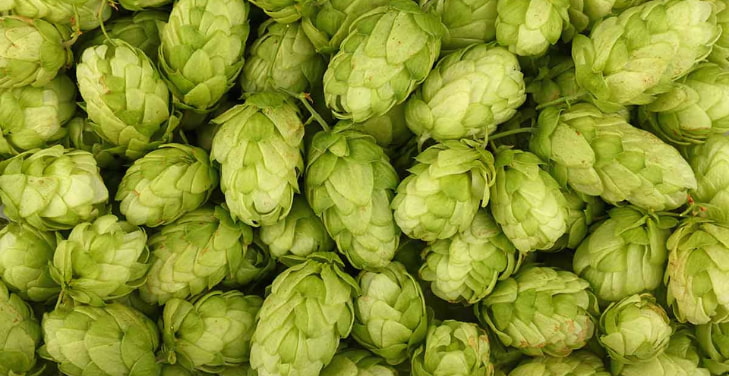
Hops supplements may promote relaxation, but they require thoughtful use for optimal safety and effectiveness.
What Are Hops?
Hop (Humulus lupulus) is a perennial climbing plant belonging to the Cannabaceae family, renowned in both food and medicinal fields. The female flower buds contain many valuable bioactive compounds, making hops increasingly popular in products that promote relaxation and health.
Traditional Herbal Heritage
Hops originated in Europe and Western Asia, then spread to many regions around the world. Many traditional medicine systems use hops to aid sleep, promote relaxation, and improve mental well-being after short-term periods of stress.
Bioactive Plant Compounds
Hop buds provide numerous plant-based active compounds such as alpha acids, beta acids, xanthohumol, and flavonoids. These compounds are involved in various biological mechanisms related to antioxidant activity, nerve signal regulation, and support for the body's physiological balance.
Common Supplement Forms
The market currently offers hops in various forms such as capsules, tablets, liquid extracts, herbal teas, and formulations combined with valerian or lemon balm. These standardized formulations help control the content of the active ingredient, facilitating use tailored to specific health care goals.
How Do Hops Work?
Hops affect the body through various biological mechanisms related to the nervous system and active plant compounds. This combination creates a multifaceted effect, contributing to relaxation, supporting physiological balance, and enhancing the ability to adapt to daily pressures.
Influence on the Nervous System
Some active compounds in hops regulate neurotransmitter activity, especially those related to relaxation and sleep quality. This process helps the body gradually transition to a state of rest, reducing nervous system stimulation and facilitating a stable physiological sleep cycle.
Antioxidant and Bioactive Actions
Hop contains many plant compounds, such as xanthohumol, flavonoids, and bitter acids, with antioxidant activity. These components help protect cells from the effects of free radicals, support the maintenance of a balanced biological environment, and promote many important metabolic processes, thereby laying the foundation for overall health and the body's ability to recover.
Hops Pros
Hops offer many potential health benefits thanks to their combination of natural bioactive compounds. Numerous studies have evaluated the role of hops in supporting sleep, regulating emotions, and protecting cells from oxidative stress.
Supports Restful Sleep
The active compounds in hops contribute to relaxation, helping the body fall asleep more easily and maintain a natural sleep cycle. Improved sleep quality facilitates physical recovery, increases concentration, and boosts energy levels the following day.
Promotes Relaxation
Hops help stabilize mental state during periods of temporary stress. Many formulas combine hops with valerian or lemon balm to enhance relaxation, providing a pleasant feeling and contributing to building lasting emotional balance.
Provides Antioxidant Benefits
Xanthohumol, along with many flavonoids in hops, provides potent antioxidant activity, contributing to cell protection, supporting metabolism, and maintaining overall health. These properties enrich the value of hops in long-term health care strategies.
Hops Cons
While hops offer many potential benefits, they also come with some limitations that need to be considered before use. Understanding these points helps develop a suitable supplementation plan, enhance safety, and optimize the health care experience.
Possible Side Effects
Some people may experience drowsiness, dizziness, decreased alertness, or mild gastrointestinal discomfort after using hops. The severity of these effects depends on the dosage, timing of use, and individual metabolism.
Individual Response Differences
Individual constitution, age, liver function, health status, and other supplements being used all affect the response to hops. Monitoring your body's reactions in the initial stages helps determine the appropriate dosage and allows for adjustments to the individual's usage plan.
Who May Benefit Most from Hops?
Hops are suitable for several groups of people who need to improve the quality of their relaxation in their daily lives. Choosing the right target audience helps to effectively utilize the bioactive properties of this herb and develop a supplement plan that aligns with health goals.
Adults Seeking Better Sleep
Adults who frequently struggle to fall asleep or wish to maintain a stable sleep cycle may benefit from hops. Improved relaxation contributes to better physical and mental recovery after each workday.
People Facing Temporary Stress
Those experiencing short-term stress or high work intensity can use hops as part of a holistic health strategy. This relaxation supports emotional balance and facilitates daily activities.
Individuals Choosing Plant-Based Wellness
Those who prefer plant-based solutions often choose hops in formulas that promote relaxation. Many products combine hops with valerian or lemon balm to add more bioactive compounds, contributing to a natural and sustainable approach to wellness.
Who Should Be Cautious or Avoid Hops?
Hops have significant bioactive properties, so selecting the right users is crucial in a healthcare plan. Certain groups require careful clinical assessment and professional consultation before supplementation to develop a regimen tailored to their physiological characteristics.
Hormon-Sensitive Conditions
Hop contains 8-prenylnaringenin, a phytoestrogen with notable bioactive properties. Individuals with a history of or currently being monitored for hormone-related conditions such as breast cancer, endometrial cancer, uterine fibroids, or endometriosis should consult their doctor for an assessment of suitability before using hop-containing products.
Pregnancy, Breastfeeding, and Medication Use
Pregnant women, breastfeeding women, and individuals using sedatives, sleeping pills, or other medications that affect the central nervous system should be evaluated by a healthcare professional before supplementing with hops. Considering dosage, timing, and the overall treatment regimen helps develop a safe and personalized healthcare plan.
How Much Hops Is Typically Used?
The dosage of hops typically depends on the formulation, extract content, and intended use. Many clinical studies employ varying dosage levels to support sleep or relaxation, so choosing a standardized product helps create a clearer and more appropriate supplementation plan.
Common Dosage Ranges
Supplements typically provide around 300–500 mg of hop extract per day, depending on the manufacturing process and active ingredient concentration. Some formulations combining hops with valerian or lemon balm use lower amounts of hops to create synergistic effects between the ingredients.
Factors Influencing Intake
Age, physical condition, health goals, body response, and the active ingredient content of each product all influence the appropriate dosage. Adhering to manufacturer's or healthcare professional's instructions helps maintain consistency and optimize effectiveness throughout the supplementation period.
Timing for Best Results
Many people choose to consume hops about 30–60 minutes before bedtime to allow the active ingredients to exert their relaxing effects. Maintaining a consistent daily consumption time contributes to forming a healthy lifestyle and supports the natural circadian rhythm.
Tips for Safe and Effective Use
Using hops according to scientific principles helps maximize the value of natural active ingredients and lays the foundation for long-term supplementation. Choosing the right product, maintaining a consistent usage routine, and monitoring your body's response leads to more stable results.
Choose Standardized Extracts
Prioritize products using standardized extracts with clear information about the source of raw materials, active ingredient content, and quality control process. These criteria help maintain consistency between uses and support more accurate effectiveness assessment.
Use at an Appropriate Time
Using it in the evening or about 30–60 minutes before bedtime allows the active ingredients to exert their relaxing effects. Maintaining a regular daily usage schedule helps establish a stable circadian rhythm and enhances consistency in supplementation.
Monitor Individual Response
Monitoring sleep quality, daytime alertness levels, and body sensations helps adjust usage plans accordingly. Recording changes over time helps healthcare professionals assess effectiveness and develop supplement strategies tailored to individual needs.
Hops vs. Natural Food and Beverage Sources
Hops are present in many traditional and modern food products in various forms. The content of active compounds, intended uses, and biological value vary depending on the processing method, so choosing the right source helps effectively meet health care goals.
Herbal Tea
Hop tea provides plant compounds in moderate concentrations, offering a distinctive aroma and a gentle, relaxing sensation. Many people use this tea in the evening as part of their daily relaxation and health care routine.
Beer Production
Hop contributes to the characteristic flavor, aroma, and bitterness in beer production. Fermentation and processing methods affect the content of remaining bioactive compounds in the finished product, so nutritional value and intended uses are primarily based on food and beverage characteristics.
Dietary Supplements
Hop-based dietary supplements utilize standardized extracts with clearly defined active ingredient content, making dosage selection more convenient. Available in capsule, tablet, or liquid extract forms, they meet targeted supplementation needs and support the development of individualized health care plans.
Is Hops Worth Taking?
The value of hops depends on individual health goals, physiological characteristics, and usage patterns. When the right product is chosen, the appropriate dosage is applied, and a healthy lifestyle is maintained, hops can be a useful part of an overall health improvement plan.
Matching Personal Wellness Goals
Hops are suitable for those seeking to support relaxation, improve sleep quality, and supplement plant-based antioxidants. Clearly defining goals from the outset helps in selecting the appropriate formulation and active ingredient levels to meet individual needs.
Professional Guidance
Healthcare professionals can assess your health history, medications you are taking, and physiological factors to develop a suitable supplementation plan. Regular monitoring optimizes effectiveness and ensures safety throughout the hop supplementation period.
Conclusion
Hops provide many bioactive plant compounds with the potential to support relaxation, improve sleep quality, and offer antioxidant activity. The effectiveness depends on product quality, appropriate dosage, and individual physiological characteristics.
Decisions to supplement with hops should be based on health goals, medical history, and guidance from a healthcare professional. A scientific approach, selecting standardized products, and monitoring the body's response help build a safe, rational, and sustainable supplementation strategy.
Frequently Asked Questions (FAQs)
- Can hops be used daily? – Many people use hops daily according to the product instructions or the guidance of a healthcare professional. Using the recommended dosage, maintaining a consistent schedule, and monitoring your response can help support safe and effective supplementation.
- When is the best time to drink hops? – Many people drink hop tea or take hop supplements about 30–60 minutes before bedtime. This timing may allow the bioactive compounds to support relaxation and healthy sleep as part of an overall bedtime routine.
- Can hops be combined with other herbs? – Hops are commonly combined with herbs such as valerian, lemon balm, or passionflower in products formulated to support relaxation and sleep. A healthcare professional can help determine whether a particular combination is appropriate based on your needs and health status.
- What products contain hops? – Hops are available in capsules, tablets, liquid extracts, herbal teas, and other dietary supplement products. Because the concentration of active compounds varies by formulation, reading the product label can help you choose an option that meets your needs.
- Is it necessary to choose standardized hop extracts? – Standardized hop extracts provide more consistent levels of active compounds across production batches, which may support more reliable dosing. Choosing products from reputable manufacturers with transparent labeling and quality testing can help ensure product quality.
