
Many people believe that phytosterols are always safe because they are plant-derived. In reality, every bioactive compound has its own characteristics regarding effectiveness, dosage, and suitability for each individual.
Phytosterols help lower LDL cholesterol and contribute to cardiovascular health. Effective use is achieved with appropriate dosage, health status, and a balanced diet. Understanding the risks, side effects, and important considerations helps build a safe, scientifically sound supplementation plan that provides lasting benefits.
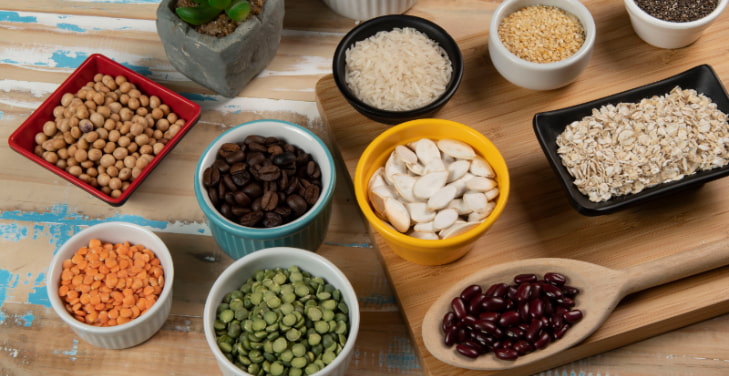
Phytosterols are generally safe but may pose risks for certain individuals and conditions.
What Are Phytosterols?
Phytosterols are a group of plant compounds widely studied for their role in supporting cholesterol balance in the body. Their natural presence in many foods makes phytosterols an important nutritional component in a heart-healthy diet.
Natural Sources and Structure
Phytosterols have a chemical structure similar to cholesterol and are found in vegetable oils, nuts, beans, whole grains, and some vegetables. The amount of phytosterols varies depending on the food source, contributing to the rich nutritional value of a plant-based diet.
How Phytosterols Function
After entering the digestive tract, phytosterols compete with cholesterol during absorption. This mechanism helps reduce the amount of cholesterol entering the bloodstream, thereby supporting the maintenance of LDL cholesterol levels within a range beneficial to cardiovascular health when combined with a healthy lifestyle.
Why They Are Added to Foods
Many manufacturers add phytosterols to milk, yogurt, margarine, and other foods to help consumers meet their daily intake needs. This offers convenience for those pursuing long-term cardiovascular health and cholesterol management goals.
Are Phytosterols Safe for Most People?
Modern nutritional studies show that phytosterols have a high safety profile when used in the recommended amounts. Understanding consumption limits and the characteristics of each target group helps optimize cardiovascular health benefits and maintain long-term effectiveness.
Overall Safety Profile
Phytosterols are suitable for most healthy adults. Many medical organizations consider this compound valuable in supporting cholesterol control when combined with a balanced diet, regular exercise, and a healthy lifestyle.
Scientific Evidence
Clinical trials and observational studies show that phytosterols help reduce cholesterol absorption in the intestines, thereby contributing to improved LDL cholesterol levels. Scientific data continues to reinforce the role of phytosterols in cardiovascular health care strategies.
Recommended Intake
Many nutritional guidelines recommend approximately 2 grams of phytosterols per day to support LDL cholesterol reduction in adults requiring lipid management. Maintaining a consistent intake is crucial for maximizing biological efficacy.
Individual Considerations
Age, diet, health goals, and metabolic status influence phytosterol requirements. Choosing foods rich in phytosterols or supplements tailored to individual needs helps enhance effectiveness and maintain nutritional balance.
Common Side Effects of Phytosterols
Phytosterols have a positive safety profile; however, some people may still experience mild reactions in the initial stages of use. Understanding common side effects helps adjust your diet appropriately and enhance your experience with phytosterol supplementation.
Digestive Discomfort
Some people experience bloating, mild gas, or gastrointestinal discomfort when increasing their phytosterol intake. The body usually adapts gradually as the supplement amount is adjusted to fit their daily eating habits.
Bloating and Changes in Bowel Habits
Changes in the digestive system can increase intestinal gas or affect bowel frequency. Maintaining adequate hydration, a balanced fiber intake, and distributing phytosterols throughout meals can help stabilize the digestive system.
Individual Tolerance
The level of response to phytosterols depends on each individual's metabolic characteristics, diet, and gut microbiome. Monitoring the body's response and choosing the appropriate dosage helps maintain long-term health benefits.
Potential Health Risks and Long-Term Concerns
Phytosterols offer many benefits for cholesterol control, but long-term use should be linked to a complete and balanced diet. Understanding the potential effects helps develop a scientifically sound supplementation plan and maintain overall health.
Fat-Soluble Nutrient Absorption
Phytosterols may partially reduce the absorption of fat-soluble vitamins and bioactive plant compounds such as carotenoids. A varied diet with healthy fats helps maintain optimal nutritional status and supports nutrient absorption.
Importance of a Balanced Diet
A diet rich in green vegetables, colorful fruits, whole grains, and nuts helps maintain carotenoid levels in the body. A balance between phytosterols and other micronutrient-rich food groups forms a solid foundation for long-term health.
Current Research Findings
Current studies continue to demonstrate the effectiveness of phytosterols in supporting LDL cholesterol reduction when used in the recommended amounts. Scientific data also encourage regular monitoring of nutritional status to maintain a balance between cardiovascular benefits and the body's micronutrient needs.
Who Should Avoid or Limit Phytosterols?
Phytosterols are suitable for many adults; however, certain groups require individualized usage plans based on their health characteristics and treatment goals. Accurate assessment of needs optimizes effectiveness and enhances safety during supplementation.
People with Sitosterolemia
Individuals with sitosterolemia have a genetic predisposition to increased absorption of phytosterols from food. High levels of phytosterols in the blood can affect cardiovascular health. This group must adhere to a nutritional regimen and treatment plan developed by a specialist.
Children and Special Medical Conditions
Children should only use phytosterols when clearly indicated to meet specific treatment goals. Individuals managing metabolic, liver, intestinal, or cardiovascular diseases also require a comprehensive assessment to determine the appropriate supplementation amount based on their health condition.
Personalized Medical Guidance
Each body has unique metabolic characteristics and nutritional needs. Consulting with a doctor or nutritionist helps determine the appropriate dosage, monitor effectiveness, and adjust phytosterol supplementation plans according to each stage of healthcare.
Can Phytosterols Interact With Medications?
Phytosterols are involved in the absorption of cholesterol in the digestive tract, so their use with medications or supplements needs careful planning. Understanding potential interactions helps optimize treatment effectiveness and enhance the value of your healthcare plan.
Cholesterol-Lowering Medications
Phytosterols are often combined with cholesterol-lowering medications such as statins or ezetimibe to help control LDL cholesterol more effectively. Your doctor will consider your treatment goals, blood lipid test results, and overall health to choose the appropriate regimen.
Dietary Supplements
Phytosterols can affect the absorption of carotenoids and some fat-soluble vitamins with long-term use. A diet rich in green vegetables and colorful fruits, along with appropriate supplementation times, helps maintain nutritional balance and optimize absorption.
Safe Use Strategies
Providing complete information about all medications, vitamins, and supplements you are currently taking helps your doctor or nutritionist develop a suitable combination plan. Regularly monitoring cholesterol levels and nutritional status contributes to improved treatment effectiveness and long-term cardiovascular health.
Can You Consume Too Much Phytosterols?
Phytosterols are most effective when consumed within recommended amounts. Increasing intake beyond daily requirements alters the absorption of certain nutrients and should be considered in a long-term nutritional plan.
Recommended Daily Intake
Many clinical guidelines suggest approximately 2 grams of phytosterols per day to help lower LDL cholesterol. This level of intake is most effective when combined with a diet rich in fiber, healthy fats, and regular physical activity.
Effects of Excessive Intake
Excessive amounts of phytosterols can reduce the absorption of carotenoids and some fat-soluble vitamins. This can affect nutritional balance if prolonged and without planned supplementation with micronutrient-rich foods.
Practical Consumption Tips
Prioritize obtaining phytosterols from natural foods and use fortified products as directed to maintain appropriate intake. Regularly monitor your diet and ensure a varied diet to build a foundation for cardiovascular health and nutritional balance.
How to Reduce the Risk of Side Effects
Using phytosterols strategically helps maintain their effectiveness in supporting cholesterol reduction and facilitates favorable adaptation for the body. A scientifically sound nutritional plan combined with regular monitoring provides long-term value for cardiovascular health.
Follow the Recommended Amount
Maintaining the recommended daily amount of phytosterols helps the body consistently utilize their biological benefits. Distributing intake throughout the day improves absorption and supports balance in the digestive system.
Maintain a Nutrient-Rich Diet
A diet rich in green vegetables, colorful fruits, legumes, nuts, and whole grains provides carotenoids and many essential vitamins. Food diversity helps maintain optimal nutritional status throughout the phytosterol supplementation process.
Monitor Your Health
Monitoring cholesterol levels, assessing nutritional status, and having regular consultations with your doctor or nutritionist helps adjust phytosterol intake appropriately. This approach contributes to improved cardiovascular care and sustainable health.
When Should You Seek Medical Advice?
Phytosterols offer benefits to many people when used correctly, but some situations require a doctor's assessment to develop a suitable supplementation plan. Timely medical advice helps optimize treatment effectiveness and ensure long-term nutritional balance.
Persistent Digestive Symptoms
A doctor should evaluate persistent bloating, gas, or changes in digestive habits to determine the cause and adjust the phytosterol regimen. Monitoring symptoms helps develop a personalized supplementation strategy.
Existing Medical Conditions
Individuals with sitosterolemia, lipid metabolism disorders, liver disease, or conditions requiring specialized nutritional management should consult a doctor before supplementing with phytosterols. A comprehensive assessment helps select a dosage that meets treatment goals and nutritional needs.
Regular Health Monitoring
Regular checks of blood lipids, assessments of fat-soluble vitamin status, and dietary reviews help monitor the effectiveness of phytosterol use. The collaboration between doctors, nutritionists, and users forms a solid foundation for cardiovascular health and long-term quality of life.
Conclusion
Phytosterols offer many benefits in cholesterol control when used in the correct dosage and according to individual health conditions. A varied diet and a scientifically planned supplementation strategy help maintain long-term effectiveness.
Regular medical evaluations, blood lipid monitoring, and the selection of quality products form the foundation for safe use.
Every decision to supplement with phytosterols should be based on individual needs and guidance from a healthcare professional to protect cardiovascular health, maintain nutritional balance, and improve quality of life.
Frequently Asked Questions (FAQs)
- Are phytosterols safe for daily use? – Phytosterols are generally considered safe for most adults when consumed in recommended amounts. A balanced diet, varied food choices, and regular health monitoring can help support cholesterol management and overall nutritional health.
- Do phytosterols cause serious side effects? – Most side effects associated with phytosterols are mild and may include digestive discomfort or reduced absorption of certain micronutrients. Using recommended amounts and maintaining a diet rich in fruits and vegetables can help support nutritional balance.
- Who should consult a doctor before using phytosterols? – People with sitosterolemia, disorders affecting lipid metabolism, liver disease, or conditions requiring specialized nutritional management should consult a healthcare professional before using phytosterols. Individual evaluation can help determine an appropriate intake.
- Do phytosterols reduce vitamin absorption? – Long-term phytosterol use may reduce the absorption of carotenoids and some fat-soluble vitamins. Eating a diet rich in leafy green vegetables, colorful fruits, and other nutrient-dense foods can help maintain adequate nutrient intake.
- Are phytosterols from food or supplements better? – Foods such as nuts, legumes, vegetable oils, and whole grains provide phytosterols along with other beneficial nutrients. Fortified foods or supplements may be useful for specific cholesterol-lowering goals when used under the guidance of a healthcare professional.
