
Have you ever wondered what impact a speck of mold on a slice of bread or fruit might have on your health? Behind those green, white, or black spots lies a complex biological system capable of producing compounds that affect the human body.
Understanding the dangers of eating moldy food helps individuals make safer food choices. Knowledge about mold, mycotoxins, and proper storage methods helps protect the digestive system, liver, and immune system and improves long-term health.
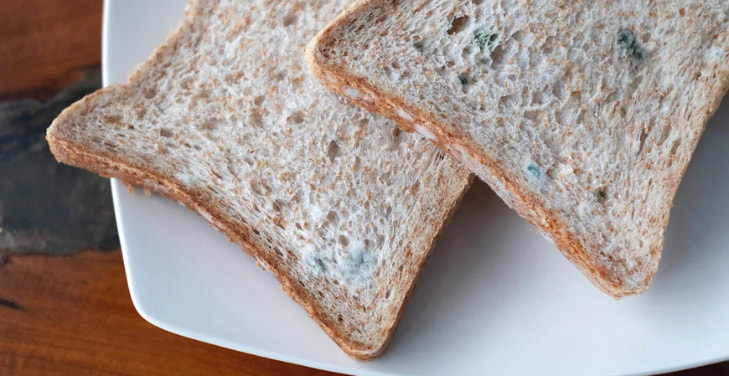
Moldy food may contain harmful toxins that increase the risk of illness.
What Happens When You Eat Food With Molds?
Food contaminated with mold undergoes numerous biological changes simultaneously, from the surface to deep within the food's structure. When consumed, the body comes into contact with mold spores, metabolites, and, in some cases, mycotoxins, triggering a range of physiological reactions depending on the type of mold, the amount consumed, and the individual's health condition.
How Mold Enters the Body
As soon as food enters the digestive tract, mold spores and bioactive compounds come into contact with the mucous membranes of the mouth, stomach, and intestines. Digestion releases many substances produced by the mold and activates the immune system to recognize foreign agents. The body quickly mobilizes a protective response to maintain the stability of the internal environment and help eliminate potentially harmful components.
Why Some Molds Produce Harmful Substances
Many mold species synthesize mycotoxins during their growth to adapt to the environment and compete for nutrients. These compounds persist on the surface or penetrate deep into food, especially grains, seeds, fruits, and moisture-rich foods. Once in the body, mycotoxins interact with cells, affecting metabolic activity and putting strain on the liver, kidneys, and immune system.
Which Molds Are Dangerous to Human Health?
Each mold species possesses unique biological characteristics and produces different effects when growing on food. Some groups of molds produce toxins with strong biological activity, increasing the risk of liver, kidney, and immune system effects, as well as long-term health impacts, when humans are exposed through ingestion.
Mycotoxin-Producing Molds
Genus such as Aspergillus, Penicillium, and Fusarium are commonly found on grains, nuts, spices, dried fruits, and preserved foods. Under favorable conditions, they produce mycotoxins such as aflatoxin, ochratoxin A, or fumonisin. These compounds participate in many biological processes in the body and put pressure on vital metabolic organs.
Factors That Increase Toxicity
Temperature, humidity, storage time, and the nutritional composition of food determine mold's ability to grow and the amount of toxins produced. Foods rich in starch, fat, or water content often create a favorable environment for mold growth. As mold spreads, toxins penetrate deep into the food's structure, increasing exposure with each use.
Common High-Risk Mold Species
Several species, such as Aspergillus flavus, Aspergillus parasiticus, and Fusarium verticillioides, attract significant attention in medicine and food safety due to their ability to produce toxins at considerable concentrations. These species are commonly found on corn, peanuts, wheat, and many post-harvest agricultural products. Proper food preservation and quality control play a crucial role in protecting public health.
Health Risks of Eating Moldy Food
Eating moldy food has a wide range of effects on the body, from acute reactions to cumulative effects over time. The level of risk depends on the type of mold, the amount of toxins, the frequency of exposure, and the response of each organ system. Each exposure adds a burden to metabolism and immune regulation.
Digestive System Reactions
The digestive tract is often the first to react after exposure to moldy food. Those who eat it may experience abdominal pain, nausea, vomiting, diarrhea, or upper abdominal discomfort. The intestinal mucosa participates in a localized inflammatory response, while the digestive system increases its activity to eliminate foreign agents from the body.
Long-Term Effects of Mycotoxins
Repeated exposure to mycotoxins over a long period increases the strain on the liver, kidneys, and immune system. Some toxins affect protein synthesis, causing cell damage and promoting oxidative stress. Numerous studies have also noted a link between certain mycotoxins and the risk of chronic liver damage and the development of serious diseases with prolonged exposure.
Who Faces the Greatest Risk?
The impact of mold-contaminated food varies with age, immune status, and individual metabolism. Some populations have more sensitive biological defenses against mold spores and mycotoxins, thus increasing the risk of adverse reactions or organ damage upon exposure.
Children and Older Adults
Children have developing immune systems and detoxification functions, so their bodies react more strongly to mold toxins. Older adults experience physiological decline over time, resulting in slower metabolism, detoxification, and tissue repair. These two groups often show symptoms earlier when consuming unsafe food.
Pregnant Women
Pregnancy brings about many immune and metabolic changes to meet the developmental needs of the fetus. Toxins from mold increase the burden on the mother's liver and circulatory system and affect the fetus's developing environment. Choosing fresh food, storing it properly, and carefully checking it before use help protect the health of both mother and baby.
People With Weakened Immune Systems
People undergoing cancer treatment, organ transplant recipients, those with chronic diseases, or those using immunosuppressant drugs have a lower ability to fight off harmful agents. When exposed to mold or mycotoxins, the body is more likely to experience strong inflammatory reactions, opportunistic infections, or long-term damage. A safe diet and quality control of food play a crucial role in reducing the risk of exposure.
Foods Most Likely to Develop Harmful Mold
Mold thrives on foods that are high in moisture, contain many nutrients, or have undergone prolonged storage. Under suitable temperature and humidity conditions, the fungal hyphae penetrate deep into the food's structure, producing metabolic compounds and, in some cases, mycotoxins that affect health.
Bread, Fruits, and Vegetables
Bread, fresh fruits, and vegetables often retain high water content, creating a favorable environment for fungal spores to grow. Apples, strawberries, tomatoes, citrus fruits, and baked goods are prone to developing green, white, or black mold patches after just a few days of storage. The fungal hyphae quickly penetrate the flesh and spread far beyond the visible area.
Nuts, Grains, and Dairy Products
Peanuts, corn, rice, wheat, nuts, and dairy products are also among the high-risk foods. Humid storage conditions create opportunities for Aspergillus and Fusarium species to grow, thereby forming mycotoxins in agricultural products. Soft cheeses, yogurt, and other high-moisture dairy products are also prone to mold growth when stored for extended periods or at fluctuating temperatures.
Can You Simply Cut Off the Mold?
Many people believe that simply cutting off the mold makes food safe again. In reality, the structure of mold growth is far more complex than what is visible to the naked eye. Mycelium and metabolites can contaminate food, creating a risk of exposure even if the surface appears clean.
How Mold Spreads Beyond the Surface
Mold grows using a network of microscopic hyphae that penetrate deep into the layers of food. Bread, soft fruits, jams, cold meats, and cooked dishes facilitate the rapid spread of mycelium. Some species even produce mycotoxins distributed throughout the food's structure, making the interior a potential health hazard as well.
Foods That Require Complete Disposal
Soft, watery, or porous foods should be completely discarded when mold is present. This group includes bread, yogurt, soft cheeses, berries, soft vegetables, leftovers, and cooked foods. With some hard foods, such as hard cheeses or carrots, mold growth is slower due to their dense structure. However, assessing safety still requires adherence to food safety guidelines and actual storage conditions.
What to Do After Accidentally Eating Moldy Food
Accidentally eating moldy food often causes anxiety; however, appropriate action helps maintain the body's stability and reduces the risk of complications. The severity of the impact depends on the type of food, the amount consumed, the type of mold, and the individual's health condition. Monitoring your body immediately after exposure is crucial in assessing the risk.
Monitor Your Symptoms
You may experience abdominal pain, nausea, diarrhea, vomiting, or general discomfort within the first few hours. Some people may also experience allergic reactions such as itching, hives, or respiratory irritation. Recording the onset of symptoms, their severity, and the type of food consumed helps facilitate a faster, more accurate medical assessment.
Seek Medical Evaluation When Necessary
Prolonged symptoms, severe abdominal pain, high fever, frequent vomiting, persistent diarrhea, or signs of dehydration require prompt medical evaluation. Children, pregnant women, the elderly, and individuals with weakened immune systems should seek immediate medical advice if any abnormalities occur. Furthermore, retaining packaging or food samples, if available, can help identify the source of exposure and determine appropriate treatment.
How to Prevent Mold Growth on Food
Preventing mold growth on food starts with daily storage habits. A clean environment, appropriate temperature, and proper storage methods help limit the growth of mold spores while maintaining the quality and nutritional value of food throughout its storage period.
Store Food at the Right Temperature
Low temperatures slow the growth rate of many types of mold. Refrigerators should maintain a stable temperature, while hot food needs to be cooled before storage. Airtight containers help limit moisture exposure, reduce contact with airborne mold spores, and maintain food freshness longer.
Manage Moisture and Food Rotation
High humidity creates favorable conditions for mold growth. Vegetables, fruits, and fresh foods need to be kept dry before storage. Arranging food according to the principle of first-in, first-out helps shorten storage time and reduce the risk of mold growth.
Maintain Kitchen Hygiene
Cooking surfaces, food containers, kitchen towels, and refrigerator compartments should be cleaned regularly. Each cleaning helps remove mold spores that accumulate in the kitchen environment. Regular food inspections also help detect spoilage early and maintain a safe food supply for the whole family.
Conclusion
Mold-contaminated food poses many health risks due to mold spores and biotoxins that can affect various organs. Knowledge of foods prone to mold growth, identification of mold signs, and awareness of high-risk groups help individuals proactively protect their health.
Choosing fresh food, storing it at the correct temperature, maintaining a clean kitchen environment, and inspecting food before use create effective safety barriers. These simple habits help reduce the risk of mold exposure and improve the quality of daily meals.
Frequently Asked Questions (FAQs)
- Can cooking destroy mold toxins? – Cooking may inactivate some microorganisms, but many mycotoxins remain chemically stable at high temperatures. These toxins can persist in food even after cooking.
- Is it safe to eat food after removing the moldy part? – Mold can spread below the visible surface of food, especially in soft products. Removing the moldy portion does not necessarily eliminate hidden fungal growth or mycotoxins.
- Which foods have the highest risk of mold contamination? – Bread, soft fruits, fresh vegetables, nuts, grains, dairy products, and leftovers are among the foods most susceptible to mold growth, particularly in warm and humid storage conditions.
- Can eating moldy food cause allergic reactions? – Mold spores and proteins may trigger allergic reactions in sensitive individuals, causing symptoms such as itching, hives, sneezing, runny nose, or respiratory irritation.
- How can you reduce the risk of mold growing on food? – Proper food storage, dry conditions, airtight containers, regular refrigerator cleaning, and frequent inspection of stored foods help reduce the risk of mold growth and maintain food quality.
