
Hematocrit is one of the most important measurements in a blood test because it reflects the proportion of red blood cells circulating in the bloodstream. Healthy hematocrit levels support efficient oxygen delivery, stable circulation, and physical energy throughout the body.
Abnormal hematocrit levels may influence endurance, breathing, concentration, and cardiovascular function. Understanding this blood marker helps people recognize potential health changes earlier and make informed decisions about long-term wellness.
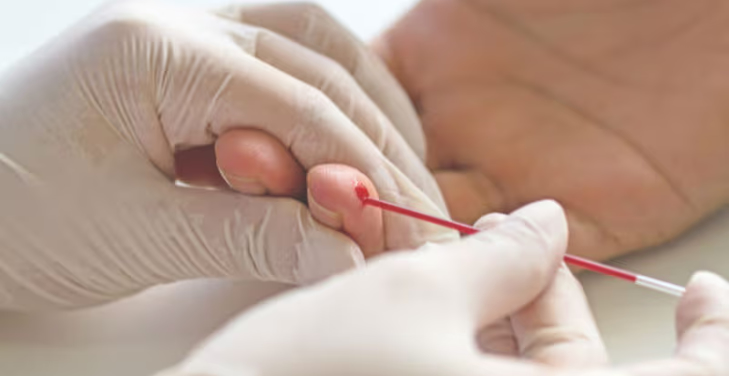
Hematocrit measures the percentage of red blood cells within total blood volume.
What Is Hematocrit in a Blood Test?
A hematocrit test measures the percentage of red blood cells in relation to total blood volume. This value helps evaluate how effectively the blood carries oxygen to tissues, muscles, and organs throughout the body.
Hematocrit Reflects Red Blood Cell Volume
Red blood cells contain hemoglobin, the protein that transports oxygen. Hematocrit reflects the proportion of these cells in the bloodstream. When hematocrit remains within a healthy range, circulation and oxygen delivery generally function efficiently.
Why Doctors Check Hematocrit Levels
Doctors use hematocrit results to evaluate blood health and identify possible medical conditions. Hematocrit testing may help detect anemia, dehydration, bone marrow disorders, excessive red blood cell production, and chronic diseases affecting circulation.
How Hematocrit Is Measured During Testing
Hematocrit testing uses laboratory analysis to determine the percentage of red blood cells in a blood sample. Modern testing methods provide accurate measurements that support diagnosis and health monitoring.
Blood Sample Collection
A healthcare professional collects a blood sample from a vein using a sterile anticoagulated tube. Proper sample handling preserves the stability of blood components during transportation and laboratory analysis.
Centrifugation and Cell Separation
Laboratories often use centrifugation to separate blood components by density. Red blood cells settle at the bottom of the tube, plasma remains at the top, and white blood cells form a thin middle layer. The analyzer calculates hematocrit based on the proportion of red blood cells in the sample.
Role in Complete Blood Count
Hematocrit is commonly included in a complete blood count (CBC). Doctors interpret hematocrit alongside hemoglobin levels, red blood cell count, and other blood markers to evaluate oxygen transport and overall circulatory health.
Normal Hematocrit Ranges by Age and Sex
Hematocrit levels vary according to age, sex, hormones, and physical development. Reference ranges may also differ slightly between laboratories.
Adult Hematocrit Levels
Adult males typically have hematocrit levels between 41% and 50%, while adult females usually range from 36% to 44%. Hormonal differences, especially testosterone levels, contribute to this variation.
Hematocrit in Children and Older Adults
Newborns often have higher hematocrit levels because their bodies adapt rapidly after birth. Hematocrit gradually stabilizes during childhood. In older adults, nutrition, bone marrow function, hydration, and chronic health conditions may influence hematocrit results.
Factors Influencing Reference Ranges
Altitude, hydration status, exercise habits, and hormone levels can all affect hematocrit values. Laboratories establish reference ranges based on population data and testing methods.
What High Hematocrit Levels May Indicate
A high hematocrit indicates an elevated proportion of red blood cells in the blood. This condition can increase blood thickness and place additional strain on circulation.
Dehydration and Blood Concentration
Dehydration reduces plasma volume, making the blood more concentrated. Hematocrit levels often rise after prolonged sweating, high fever, intense exercise, or inadequate fluid intake.
Polycythemia and Excess Red Blood Cells
Polycythemia causes the bone marrow to produce excessive red blood cells. Thicker blood may slow circulation and increase cardiovascular strain. Some people experience headaches, dizziness, flushing, or fatigue.
Oxygen Demand and Lifestyle Factors
Smoking, chronic lung disease, and living at high altitudes may stimulate greater red blood cell production. The body adapts to lower oxygen availability by increasing oxygen-carrying capacity.
Common Causes of Low Hematocrit
Low hematocrit indicates a reduced percentage of red blood cells in the bloodstream. This condition may decrease oxygen delivery and contribute to fatigue or weakness.
Iron Deficiency and Nutrient Imbalance
Iron deficiency can reduce hemoglobin production and limit healthy red blood cell formation. Vitamin B12 and folate also support normal blood cell development. Poor nutrition over time may gradually lower hematocrit levels.
Blood Loss and Medical Conditions
Blood loss from menstruation, injury, surgery, or gastrointestinal bleeding can significantly reduce red blood cell levels. Chronic kidney disease, liver disease, and inflammatory disorders may also affect blood production.
Bone Marrow Function and Circulation
Bone marrow produces red blood cells continuously to maintain circulation and oxygen transport. Reduced bone marrow activity may lead to fatigue, weakness, reduced stamina, and difficulty concentrating.
Symptoms Linked to Abnormal Hematocrit Levels
Changes in hematocrit may affect circulation, oxygen delivery, and physical performance. Symptoms vary depending on whether hematocrit levels are too high or too low.
Fatigue and Reduced Physical Energy
A low hematocrit may reduce oxygen delivery to muscles and tissues. Many people experience persistent tiredness, low endurance, weakness, and decreased exercise tolerance.
Headaches and Circulatory Changes
An elevated hematocrit can make the blood thicker and raise circulatory pressure. Some individuals develop headaches, dizziness, facial flushing, or a sensation of warmth.
Breathing and Cardiovascular Symptoms
Abnormal hematocrit levels may contribute to shortness of breath, rapid heartbeat, or difficulty during physical activity. These symptoms often reflect changes in oxygen transport and circulation.
Factors That Can Affect Hematocrit Results
Several lifestyle, environmental, and physiological factors can influence hematocrit measurements.
Hydration and Fluid Balance
Fluid balance strongly affects blood concentration. Dehydration may temporarily increase hematocrit, while adequate hydration helps maintain stable blood volume and smoother circulation.
Physical Activity and Altitude
Regular intense exercise may stimulate red blood cell production over time. People living at high altitudes often develop higher hematocrit levels because oxygen levels in the environment are lower.
Hormones and Medication Use
Hormones such as testosterone can increase red blood cell production. Certain medications, including diuretics, may also influence hematocrit values by affecting fluid balance and circulation.
How Doctors Use Hematocrit Results for Diagnosis
Hematocrit provides valuable information about circulation, oxygen delivery, and blood health. Doctors use these results, along with other laboratory findings, to guide diagnosis and treatment decisions.
Detecting Blood Disorders
Hematocrit testing helps identify anemia, polycythemia, and disorders involving bone marrow function. Lower values often suggest reduced red blood cell levels, while higher values may indicate concentrated blood or excessive blood cell production.
Monitoring Chronic Conditions
Chronic kidney disease, cardiovascular disease, lung disorders, and metabolic conditions may affect hematocrit over time. Repeated testing helps doctors monitor disease progression and evaluate treatment effectiveness.
Ways to Support Healthy Hematocrit Levels
Maintaining healthy hematocrit levels supports circulation, oxygen transport, and physical performance. Nutrition, hydration, and lifestyle habits all contribute to blood health.
Nutrient-Rich Food Choices
Iron, vitamin B12, and folate support healthy red blood cell production. Foods such as lean meat, fish, eggs, beans, and leafy green vegetables provide important nutrients for blood formation. Vitamin C also improves iron absorption.
Hydration and Blood Balance
Adequate hydration helps maintain healthy plasma volume and efficient blood flow. Balanced fluid intake also reduces strain on the cardiovascular system.
Healthy Lifestyle Habits
Regular exercise supports circulation and cardiovascular fitness. Consistent sleep and stress management may also help maintain stable blood production and overall wellness.
Conclusion
Hematocrit reflects the proportion of red blood cells in the bloodstream and plays an important role in oxygen transport and circulation. Abnormal hematocrit levels may signal dehydration, anemia, excessive red blood cell production, or underlying health conditions.
Regular blood testing helps monitor hematocrit and detect early changes in overall health. Balanced nutrition, proper hydration, physical activity, and healthy lifestyle habits all support stable hematocrit levels and long-term circulatory health.
Frequently Asked Questions (FAQs)
- Is a high hematocrit dangerous? – High hematocrit can thicken the blood and increase strain on the cardiovascular system, raising the risk of headaches, dizziness, elevated blood pressure, and circulation problems.
- What diseases are commonly associated with low hematocrit? – Low hematocrit is often linked to iron-deficiency anemia, chronic blood loss, nutritional deficiencies, kidney disease, and reduced bone marrow function.
- Does a hematocrit test require fasting? – Most hematocrit tests performed with a complete blood count do not require fasting, although additional tests may involve specific preparation instructions.
- How does dehydration affect hematocrit? – Dehydration lowers plasma volume and temporarily concentrates the blood, which can cause hematocrit levels to rise after sweating, fever, or prolonged exercise.
- How to maintain a healthy hematocrit? – A balanced diet with iron, vitamin B12, and folate, along with hydration, exercise, quality sleep, and stress management, helps support healthy hematocrit levels.
