
Excess iron in the blood can silently accumulate for years before the body gives clear signals. The liver, heart, and pancreas begin to experience intense oxidative stress from the early stages of iron overload.
Many people experience persistent fatigue, joint pain, and decreased concentration, but don't realize the real cause lies in elevated ferritin levels. Early detection allows for more effective control of organ damage and supports long-term metabolic health.
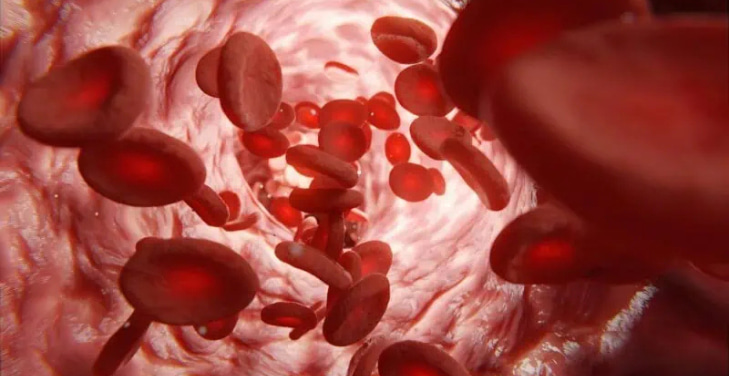
Blood test results reveal elevated iron levels linked to hidden metabolic and liver conditions.
Understanding High Iron Levels in Blood
Iron maintains blood formation, oxygen transport, and supports cellular function daily. When blood iron levels exceed physiological levels, the body begins to accumulate this metal in the liver, heart, pancreas, and many other vital tissues. This process promotes intense oxidative stress, altering overall metabolic function.
What Iron Does Inside the Body
Iron is involved in hemoglobin formation, promotes energy production, and maintains immune function. Cells use iron to support cellular respiration and enzyme synthesis. The liver controls iron absorption through the hormone hepcidin, creating a tight biological balance within the body.
How Blood Iron Levels Are Measured
Doctors typically assess serum ferritin, transferrin saturation, and serum iron levels to determine iron overload. Ferritin reflects the amount of iron stored in tissues. Transferrin saturation indicates the rate of iron transport in the blood. These indicators help detect organ damage associated with iron overload early.
Common Symptoms of Iron Overload
Iron overload creates prolonged metabolic stress in many vital organs. Excess iron triggers intense oxidative reactions, causing ongoing cell damage and prompting the body to send numerous clear warning signals. Symptoms often appear subtly and gradually worsen over time.
Persistent Fatigue and Weakness
People with high iron levels often feel exhausted from the moment they wake up. As muscle endurance decreases, the body's energy levels decline, and concentration declines rapidly. Oxidative stress within cells reduces energy production efficiency, leading to a persistent feeling of lethargy.
Joint Pain and Abdominal Discomfort
Iron accumulates in joint tissues, causing inflammation, stiffness, and persistent pain in the hands, knees, or hips. The liver is under significant metabolic stress, so the upper right abdomen often feels heavy, burning, or uncomfortable after meals.
Cognitive and Mood Changes
Iron overload directly affects the central nervous system. Patients become irritable, experience short-term memory loss, and become less alert during daily tasks. In some cases, prolonged stress and significant mood swings occur.
Hemochromatosis: The Leading Genetic Cause
Hemochromatosis is a common genetic disorder that causes excessive iron accumulation in the body. This disorder causes the intestines to continuously absorb iron over many years, gradually leading to the accumulation of iron in the liver, heart, and pancreas beyond safe levels. This accumulation occurs silently but has a profound impact on overall metabolism.
How Hereditary Hemochromatosis Develops
In individuals with hereditary hemochromatosis, the body produces iron-regulating hormones inefficiently. The small intestine absorbs large amounts of iron from food daily and releases it directly into the bloodstream. The liver quickly becomes the primary iron storage site, after which the iron spreads to the heart muscle, endocrine glands, and joint tissue.
Genetic Mutations Linked to Iron Buildup
Mutations in the HFE gene play a central role in the development of the disease. Two common variants, C282Y and H63D, disrupt the mechanism controlling iron absorption. These genetic changes promote elevated ferritin levels and cause transferrin saturation to exceed normal physiological levels.
Who Faces the Highest Risk
Middle-aged men often exhibit more pronounced symptoms due to the gradual accumulation of iron in the body. Individuals with a family history of hemochromatosis also have a higher risk of developing iron overload at an early age.
Liver Disorders That Raise Iron Levels
The liver plays a central role in iron storage and regulation. When liver cells are damaged for an extended period, the mechanisms that control iron metabolism are severely disrupted. Ferritin levels increase, iron accumulates rapidly in liver tissue, and inflammation spreads throughout the body.
Chronic Hepatitis and Liver Inflammation
Chronic hepatitis stimulates continuous immune activity within the liver parenchyma. Liver cells release large amounts of ferritin into the bloodstream, causing significant increases in iron markers. Prolonged inflammation also promotes oxidative stress and damages the metabolic enzyme system.
Fatty Liver Disease and Iron Accumulation
Fatty liver disease creates an unbalanced metabolic environment, especially in overweight individuals or those with insulin resistance. Fat accumulation in the liver alters hepcidin activity, thereby promoting increased iron absorption. Iron overload further accelerates the progression of hepatitis and causes liver fibrosis.
Alcohol-Related Liver Damage
Alcohol directly affects liver cells and increases iron absorption in the small intestine. People who drink alcohol for extended periods often develop very high ferritin levels along with significantly elevated liver enzymes, putting considerable strain on the body's detoxification and metabolic functions.
Blood Disorders Associated with Excess Iron
Many hematological disorders promote severe iron accumulation in the blood and tissues. Disrupted red blood cell production leads to excessive iron absorption or the body receiving large amounts of additional iron from prolonged blood transfusions. Over time, ferritin levels rise sharply, putting metabolic strain on the liver, heart, and endocrine system.
Repeated Blood Transfusions
Each unit of blood transfused contains a significant amount of iron. Individuals requiring frequent blood transfusions easily accumulate iron beyond physiological limits within just a few years of treatment. The liver and heart quickly become the primary sites of iron storage, increasing the risk of chronic organ damage.
Thalassemia and Sickle Cell Disease
Thalassemia causes the bone marrow to increase iron absorption to support continuous blood production. Sickle cell disease also promotes prolonged inflammation and red blood cell destruction, leading to significant changes in iron metabolism. These disorders are often accompanied by very high ferritin levels and signs of systemic iron overload.
Dietary and Supplement-Related Causes
Diet and supplement use habits directly affect the amount of iron circulating in the blood. When the body continuously receives high levels of iron, the liver begins to accumulate excess, and ferritin levels increase rapidly over time. This condition often develops silently but strongly impacts cellular metabolism.
Excessive Iron Supplement Intake
Many people use iron supplements for extended periods to improve energy or support blood formation. Excess iron from supplements quickly enters the bloodstream and accumulates in liver tissue. This process promotes oxidative stress, putting cells under prolonged metabolic pressure.
Overconsumption of Iron-Rich Foods
Animal liver, red meat, oysters, and organ meats contain very high levels of heme iron. Regular consumption of these foods supports strong daily iron absorption. Over time, iron overload begins to affect liver function and the cardiovascular system.
Vitamin C and Increased Iron Absorption
Vitamin C stimulates the intestines to absorb iron more effectively. When iron-rich foods are combined with large amounts of vitamin C, the rate of iron absorption increases significantly, making it easier for ferritin levels to exceed safe limits.
How Hormonal and Metabolic Conditions Contribute
Endocrine and metabolic disorders profoundly affect the body's iron regulatory mechanisms. Hormonal imbalances alter the liver's regulation of iron metabolism, while metabolic inflammation promotes persistently elevated ferritin levels. These changes often occur silently but strongly affect many vital organs.
Diabetes and Insulin Resistance
Insulin resistance stimulates chronic inflammatory responses and causes liver cells to accumulate fat and iron. People with type 2 diabetes often have elevated ferritin due to glucose and lipid metabolism disorders. Excess iron further increases oxidative stress throughout the body.
Hormonal Imbalance and Iron Regulation
The hormone hepcidin regulates iron absorption in the small intestine. When the endocrine system's activity changes, hepcidin regulation also fluctuates significantly, leading the body to absorb iron beyond its physiological needs. This condition causes the liver and pancreas to gradually accumulate large amounts of iron.
Obesity-Related Inflammation
Adipose tissue acts as a center of continuous metabolic inflammation. Inflammatory cytokines stimulate a marked increase in ferritin levels and disrupt iron metabolism, thereby increasing the risk of systemic iron overload.
Potential Complications of High Iron Levels
Prolonged high iron levels create a chain reaction of widespread damage throughout the body. Iron overload promotes intense oxidative reactions within cells, leading to tissue and organ dysfunction over time. The liver, heart, and pancreas are often most severely affected due to the continuous accumulation of iron over many years.
Liver Scarring and Cirrhosis
The liver stores most of the excess iron, making it highly susceptible to inflammation and fibrosis. Prolonged liver cell injury leads to rapid scar formation, resulting in cirrhosis and impaired metabolic function. Prolongedly elevated ferritin levels also significantly increase the risk of liver cancer.
Heart Rhythm Abnormalities
Iron accumulation in the heart muscle directly affects electrical conduction. Patients often experience palpitations, rapid heart rate, or prolonged arrhythmias. The heart muscle also loses its ability to contract, weakening blood circulation and putting significant strain on the cardiovascular system.
Pancreatic Damage and Diabetes
The pancreas is highly susceptible to oxidative stress caused by iron overload. Beta cells become less active in insulin production, which, in turn, leads to elevated blood glucose levels and accelerates the progression of diabetes.
How Doctors Diagnose Elevated Iron Levels
Diagnosing iron overload requires a comprehensive assessment to determine the extent of iron accumulation and the risk of organ damage. Doctors typically combine blood tests, genetic analysis, and imaging techniques to monitor the body's iron metabolism. These indicators provide crucial data for long-term treatment planning.
Ferritin and Transferrin Saturation Tests
Serum ferritin reflects the amount of iron stored in liver tissue and other organs. Transferrin saturation is the percentage of circulating iron in the blood that is bound to transferrin. When both indicators are elevated simultaneously, the risk of iron overload is usually pronounced and prolonged.
Genetic Screening Methods
Genetic testing helps detect HFE mutations associated with hereditary hemochromatosis. Doctors use these results to assess the risk of inherited iron accumulation and determine the likelihood of future disease progression.
Imaging Scans and Liver Biopsy
Liver MRI helps measure the amount of iron accumulated directly in organ tissues. In some cases, a liver biopsy is needed to assess the degree of inflammation, fibrosis, and cellular damage in patients with persistently elevated ferritin levels.
Treatment Options to Lower Iron Levels
Treatment for iron overload focuses on reducing iron buildup and protecting organs from long-term damage. Doctors develop treatment plans based on ferritin, transferrin saturation, and the extent of impact on the liver, heart, or pancreas. Treatment typically lasts several months to restore iron metabolism to a stable state.
Therapeutic Blood Removal
Phlebotomy is a common treatment for hereditary hemochromatosis. Doctors periodically draw blood to reduce the body's circulating iron. This process stimulates the bone marrow to use stored iron to produce new red blood cells, thereby gradually reducing ferritin levels.
Iron Chelation Therapy
Iron chelation therapy uses medication that binds to excess iron and then excretes it through urine or feces. This method is often used for people with hematological diseases who require long-term blood transfusions. Proper treatment helps reduce oxidative stress on the liver and heart.
Nutrition and Lifestyle Adjustments
Patients need to control their intake of heme-iron-rich foods, limit alcohol intake, and maintain a stable weight to support more effective ferritin reduction.
Conclusion
High iron levels in the blood reflect a metabolic imbalance that can have far-reaching effects on the liver, heart, pancreas, and endocrine system. Persistently elevated ferritin promotes intense oxidative stress, leading to cellular dysfunction over time.
Early detection allows for more effective management of iron overload through blood tests, nutritional adjustments, and specialized treatment. A suitable monitoring plan helps maintain stable bodily functions, improve energy levels, and protect long-term health.
Frequently Asked Questions (FAQs)
- Can high iron levels cause weight loss? – Iron overload can affect the liver, pancreas, and energy metabolism, contributing to appetite loss, fatigue, and unintended weight loss over time.
- What foods increase iron levels quickly? – Animal liver, red meat, oysters, blood products, and organ meats contain highly absorbable heme iron that can rapidly raise iron and ferritin levels.
- Does iron overload always cause elevated ferritin levels? – High ferritin levels are commonly linked to iron overload but may also occur with liver inflammation, infection, or metabolic disorders.
- Can iron overload affect the heart? – Iron buildup in heart tissue may disrupt electrical signaling and reduce cardiac function, leading to palpitations, fatigue, and lower physical endurance.
- How do doctors reduce excess iron in the body? – Doctors often use phlebotomy or iron chelation therapy to lower iron stores and reduce ferritin levels more effectively.
