
Many people carry excess iron in their blood for years without their bodies showing very subtle signs. Persistent fatigue, dull joint pain, or darkened skin often appear subtly and gradually worsen over time.
Inside the body, iron silently accumulates in the liver, heart, and pancreas, promoting continuous oxidative stress at the cellular level. This health mystery means many people only discover the disease when organ damage has already become apparent.
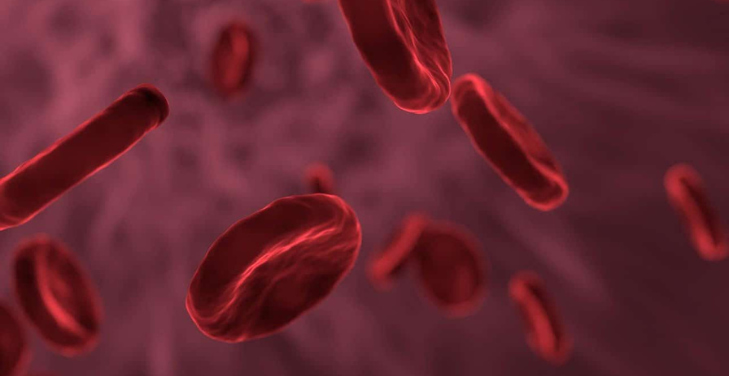
High iron levels can affect liver health, energy balance, and heart function.
What Does Too Much Iron in Blood Mean?
Iron plays a central role in blood formation, oxygen transport, and cellular energy production. When blood iron levels exceed physiological needs, the body begins to store excess iron in the liver, heart, pancreas, and many other vital tissues. This promotes intense oxidative stress, putting cells under constant metabolic pressure.
Iron Accumulation in the Body
The body absorbs iron in the small intestine and transports it in the blood via the protein transferrin. The liver stores the excess iron as ferritin for daily metabolic activity. As iron levels continue to rise, ferritin accumulates densely in liver tissue and spreads to many other organs. This process occurs silently but has a profound impact on organ function.
Impact on Blood and Organs
Excess iron stimulates strong oxidative reactions within cells. Blood vessel walls, heart tissue, and liver cells are directly affected by the continuous activity of free radicals. Patients often experience prolonged fatigue, joint pain, decreased energy, and changes in skin pigmentation over time.
Common Causes of High Iron Levels
High blood iron levels often stem from various internal mechanisms. Some causes promote excessive iron absorption, while others lead to prolonged iron accumulation in tissues and internal organs. This process is continuous, putting significant strain on the liver, heart, and endocrine system.
Genetic Iron Overload
A mutation in the HFE gene causes the intestines to absorb iron more efficiently than needed. Individuals carrying this genetic factor often accumulate iron over many years without showing noticeable symptoms in the early stages. Ferritin and transferrin saturation gradually increase over time, increasing the risk of liver and heart damage.
Frequent Blood Transfusions
Repeated blood transfusions introduce large amounts of iron directly into the body. People with chronic anemia, thalassemia, or bone marrow disorders often face rapid iron accumulation. The liver and pancreas are severely affected as excess iron continues to build up.
Excess Iron Supplement Intake
Prolonged use of iron supplements or high doses places significant metabolic strain. Many people combine iron-rich foods with vitamin C daily, which promotes stronger iron absorption in the intestines.
Early Warning Signs and Symptoms
Excess iron in the blood often produces early warning signs from the initial stages of accumulation. Symptoms appear subtly, lasting for weeks or months, then significantly affect energy, nerve function, and organ activity. The body begins to react when ferritin levels rise, and oxidative stress spreads throughout the cells.
Persistent Fatigue and Weakness
People with high iron levels often feel exhausted even with adequate rest. A persistent feeling of lethargy is common in the morning, physical endurance decreases, and concentration significantly declines. Many cases experience diffuse muscle aches and a persistent feeling of heaviness.
Skin and Joint Changes
Iron accumulation in tissues can cause the skin to darken or develop a slight bronze tint. The joints of the fingers, knees, and wrists may feel stiff, throbbing, or less flexible after activity. Some people notice a faster progression of arthritis over time.
Digestive and Hormonal Symptoms
The liver is under significant metabolic pressure, so patients often experience bloating, right lower abdominal pain, or loss of appetite. Hormonal changes lead to decreased energy, disrupted sleep, and mood swings.
How Excess Iron Affects Major Organs
Excess iron puts significant metabolic stress on the entire body. When ferritin levels remain high for an extended period, free radicals continuously act within cells, promoting extensive tissue damage. The liver, heart, pancreas, and endocrine system are most significantly affected because these organs are directly involved in iron storage and regulation.
Liver Damage and Fibrosis
The liver plays a central role in iron storage and is therefore often the first to be damaged. Long-term iron accumulation can sustain prolonged inflammation, leading to fibrosis of liver tissue and reduced metabolic efficiency. Patients may experience elevated liver enzymes, a feeling of heaviness in the right hypochondrium, and impaired detoxification function.
Heart and Circulation Problems
The heart muscle absorbs excess iron over time, directly affecting its contractile activity and electrical conduction. Heart rate becomes irregular, palpitations occur frequently, and blood circulation is significantly impaired. Some cases develop cardiomyopathy or rapidly progressive heart failure.
Pancreatic and Hormonal Effects
The pancreas is under intense oxidative stress as iron accumulates in insulin-producing cells. Blood sugar fluctuates constantly, and thirst and fatigue become more pronounced over time. Hormones also change dramatically, affecting energy levels, sleep, and metabolism.
Who Has a Higher Risk of Iron Overload?
Excess iron in the blood is more common in certain groups with genetic factors, underlying medical conditions, or a long history of iron supplementation. This accumulation often occurs silently over many years before directly affecting the liver, heart, and overall metabolic activity.
People with Genetic Mutations
Individuals who carry the HFE gene mutation absorb more iron than their bodies actually need. Excess iron gradually accumulates in the liver and blood over the years, leading to persistently elevated ferritin levels. Many cases show noticeable symptoms after middle age when organ damage begins to spread.
Patients Receiving Frequent Transfusions
Patients with thalassemia, chronic anemia, or bone marrow disorders often require regular blood transfusions. Each unit of blood carries a large amount of iron, which promotes rapid accumulation in the liver and heart. Cellular oxidative stress increases significantly with treatment.
Individuals with Liver and Metabolic Disorders
Fatty liver disease, chronic hepatitis, and metabolic syndrome disrupt the body's ability to regulate iron. Elevated ferritin levels, coupled with prolonged inflammation, increase the risk of rapid organ damage.
Blood Tests Used to Diagnose Iron Overload
Blood tests play a central role in detecting iron overload and assessing the extent of metabolic damage. Doctors often combine various indicators to determine circulating iron levels, iron transport capacity, and the degree of accumulation in internal organs. These changes help identify early risks of liver, heart, and pancreatic damage.
Ferritin Blood Test
Ferritin reflects the amount of iron stored in the body. When ferritin levels are persistently high, the liver has usually begun accumulating iron at a higher-than-normal density. This indicator also shows the levels of inflammation and oxidative stress in tissue cells.
Transferrin Saturation Measurement
Transferrin saturation assesses the ratio of iron-carrying transferrin in the blood. High levels indicate excessive iron absorption and circulation. This is an early sign in many cases of hereditary hemochromatosis.
Additional Diagnostic Tests
Doctors often combine liver enzyme tests, blood glucose tests, and HFE gene analysis to comprehensively assess the risk of iron overload. In some cases, a liver MRI is needed to determine the density of iron accumulation in organ tissues.
Dangerous Complications of Untreated High Iron Levels
Prolonged high iron levels cause continuous cellular damage and lead to the deterioration of many organs over time. Oxidation is intense in the liver, heart, and pancreas, promoting chronic inflammation and systemic metabolic disorders. Patients often face serious complications when ferritin levels remain high for many years.
Liver Cirrhosis and Failure
The liver accumulates excess iron, making it prone to fibrosis and extensive tissue damage. Liver cells are under prolonged metabolic stress, leading to elevated liver enzymes, impaired detoxification ability, and blood clotting disorders. Some cases progress to cirrhosis or liver cancer.
Cardiovascular Complications
Iron accumulation in the heart muscle destabilizes contractile activity and electrical conduction. Patients are prone to tachycardia, chest pain, shortness of breath, and progressive heart failure. The circulatory system is also affected when oxidative stress damages blood vessel walls.
Endocrine and Metabolic Damage
The pancreas's ability to produce insulin decreases when cells are subjected to continuous oxidative damage. When blood sugar levels rise, the risk of developing diabetes increases significantly, and energy metabolism is noticeably impaired.
Treatment Options for Too Much Iron in Blood
Treatment for excess iron in the blood focuses on reducing iron buildup and protecting organ function. Doctors typically develop treatment plans based on ferritin, transferrin saturation, and the extent of liver or heart damage. Effective iron management improves energy levels, reduces inflammation, and supports long-term metabolic balance.
Therapeutic Phlebotomy
Phlebotomy plays a crucial role in treating iron overload. Doctors periodically draw blood so the body can use its iron reserves to produce new red blood cells. Ferritin levels gradually decrease over time, and the liver and heart also experience a significant reduction in oxidative stress.
Iron Chelation Therapy
Iron chelation therapy helps bind to excess iron and excrete it through urine or feces. This method is often used for people who receive frequent blood transfusions or those who have difficulty with phlebotomy. This treatment helps limit the progression of heart and liver damage.
Dietary and Lifestyle Adjustments
Patients need to control their intake of iron-rich foods such as organ meats, red meat, and alcoholic beverages. Regular monitoring with blood tests also helps maintain stable iron levels and supports the recovery of metabolic function.
Foods and Habits That May Increase Iron Levels
Diet and lifestyle habits directly affect the amount of iron the body accumulates. Some foods contain very high levels of iron, while many daily habits promote stronger-than-normal intestinal iron absorption. When these factors persist, ferritin and transferrin saturation tend to increase over time.
Red Meat and Organ Meats
Red meat, animal liver, and organ meats contain abundant amounts of heme iron. This form of iron is rapidly absorbed and enters the bloodstream directly through the small intestine. People who regularly consume these foods are more likely to accumulate iron in their livers and other organs.
Vitamin C and Iron Absorption
Vitamin C stimulates iron absorption in the digestive tract. Many people combine orange juice, lemon juice, or vitamin C supplements with iron-rich meals, thereby significantly increasing the amount of iron entering the bloodstream. This process is particularly pronounced in individuals with a genetic predisposition to iron overload.
Alcohol and Supplement Habits
Alcohol places significant metabolic stress on the liver and promotes iron accumulation in liver tissue. Prolonged use of iron supplements also causes a rapid increase in ferritin, especially when the body already has high iron reserves.
Conclusion
Iron overload in the blood directly affects the liver, heart, pancreas, and the entire metabolic system. Prolonged elevated ferritin levels promote severe oxidative stress, causing ongoing cell damage and leading to a decline in organ function over time.
Early detection through blood tests allows for more effective iron control. Dietary adjustments, regular ferritin monitoring, and appropriate treatment help the body maintain a stable balance and protect long-term health.
Frequently Asked Questions (FAQs)
- Can high iron levels cause fatigue? – High iron levels increase oxidative stress and interfere with cellular energy production, contributing to fatigue, muscle aches, reduced endurance, and difficulty concentrating.
- Which foods contain the most iron? – Animal liver, red meat, oysters, egg yolks, and organ meats contain large amounts of highly absorbable heme iron that can significantly raise ferritin levels.
- Can excess iron damage the liver? – Excess iron accumulates in the liver and may promote inflammation, elevated liver enzymes, fibrosis, and long-term liver damage.
- How do doctors test for iron overload? – Doctors often use ferritin, transferrin saturation, and serum iron tests, while genetic testing or liver MRI may help evaluate iron accumulation in organs.
- Can iron overload affect the heart? – Excess iron can affect heart muscle and electrical conduction, leading to palpitations, irregular heartbeat, circulation problems, and increased risk of cardiomyopathy.
