
High potassium levels in the blood have a significant impact on the heart, nerves, and muscles in a short period of time. The body reacts quickly to the electrolyte imbalance, triggering a series of dangerous circulatory changes.
What happens when the heart starts beating erratically due to high potassium? Why do many people only discover hyperkalemia after severe symptoms appear? Understanding the dangers of high potassium levels helps proactively protect cardiovascular health and maintain a stable metabolic state.
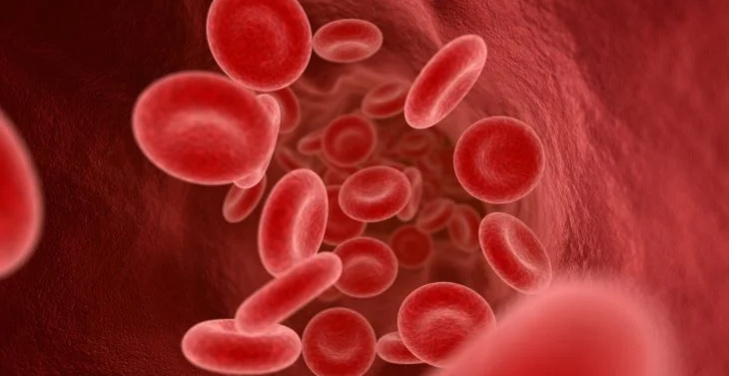
High potassium levels can disrupt heart rhythm and trigger dangerous complications rapidly.
What Are High Potassium Levels?
High potassium levels in the blood, also known as hyperkalemia, directly affect the electrical activity of the heart, muscles, and nervous system. Potassium is involved in regulating heart rate, maintaining muscle contraction, and supporting stable nerve signal transmission. When potassium levels exceed safe limits, the body reacts quickly with a series of noticeable physiological changes.
Understanding Potassium Balance
The kidneys control potassium levels through daily filtration and excretion. A high-potassium diet, dehydration, or metabolic disorders can easily cause a sharp increase in blood potassium levels. This accumulation occurs silently but puts significant pressure on the circulatory system.
Normal Potassium Range
Normal potassium levels typically range from 3.5 to 5.0 mmol/L. When these levels exceed this, nerve cells and heart muscle cells begin to change their electrical activity. Rapid heartbeat, muscle numbness, and widespread fatigue occur rapidly.
Why Hyperkalemia Becomes Dangerous
High potassium levels can cause serious heart rhythm disturbances and reduce myocardial contractility. An acute hyperkalemia can cause dizziness, muscle weakness, and irregular heartbeat within just a few hours.
Common Causes of High Potassium Levels
Elevated potassium levels can result from various causes, including kidney and endocrine system disorders, medications, and diet. The body maintains potassium through a delicate balance between cells, blood, and excretion. When one link is disrupted, potassium rapidly accumulates in the bloodstream.
Kidney Function Decline
The kidneys are responsible for removing excess potassium from the body through urine daily. Decreased kidney function slows filtration, allowing potassium to continuously accumulate in the blood. People with chronic kidney disease often experience prolonged hyperkalemia along with fatigue, muscle weakness, and heart rhythm disturbances.
Medication and Supplement Use
Many medications for high blood pressure, heart failure, and diabetes alter the body's ability to control potassium. Potassium-sparing diuretics, potassium supplements, and potassium-rich salt substitutes can rapidly raise potassium levels.
Metabolic and Hormonal Disorders
Adrenal hormone disorders and metabolic acidosis promote the movement of potassium from within cells into the bloodstream. This change puts significant strain on the electrical activity of the heart and nervous system.
Early Warning Signs of Hyperkalemia
Hyperkalemia often begins with subtle yet powerful signals that affect the nervous and cardiovascular systems. High potassium levels alter cell electrical activity almost immediately. Many people experience a noticeable decrease in energy levels after only a short time.
Muscle Weakness and Fatigue
Muscles lose their ability to contract steadily when potassium levels exceed safe limits. Patients often feel heaviness in their limbs, reduced stamina, and a loss of energy during daily activities. Exhaustion appears more quickly after light exercise.
Tingling and Numbness Sensations
The nervous system responds strongly to changes in blood potassium levels. A tingling sensation in the fingers, toes, or around the lips occurs continuously and spreads over time. In some cases, a prickling sensation like a mild electric current running under the skin may also occur.
Digestive and Heart Rhythm Changes
High potassium levels directly affect the smooth muscles of the digestive tract and the heart. Patients may experience nausea, mild abdominal pain, and a feeling of irregular heartbeat. A rapid heart rate, slight chest flutter, and palpitations become more pronounced as potassium levels continue to rise.
High Potassium Levels Dangers the Heart
The heart is extremely sensitive to increased potassium levels in the blood. High potassium levels alter the electrical currents controlling each myocardial contraction. This imbalance causes dangerous fluctuations in the circulatory system over a short period of time.
Irregular Heartbeat and Palpitations
High potassium levels can cause the heart rhythm to become chaotic and unstable. Patients often feel a strong heartbeat, chest palpitations, or unusual episodes of anxiety. This condition causes blood flow to fluctuate continuously, leading to dizziness and shortness of breath.
Electrical Disturbances in the Heart
The electrical activity of the heart depends directly on potassium levels. When potassium levels rise sharply, the electrical signals transmitted through the myocardium are disrupted, leading to noticeable changes on the electrocardiogram. The heart chambers contract asynchronously, the heart rate fluctuates erratically, and circulatory pressure increases rapidly.
Risk of Cardiac Arrest
An acute hyperkalemia can trigger ventricular fibrillation or sudden cardiac arrest. The heart loses its ability to pump blood effectively, blood pressure drops rapidly, and circulation collapses in a very short time.
How High Potassium Affects Muscles and Nerves
Potassium plays a central role in nerve signal transmission and muscle contraction. When potassium levels rise, the nervous system and muscles react almost immediately with a series of noticeable changes. The body begins to lose coordination in daily movements.
Muscle Weakness and Loss of Strength
Muscles lose their ability to contract when potassium accumulates in the blood. Patients often feel heaviness in their limbs, walk more slowly, and experience a significant decrease in endurance. In some cases, there is a feeling of muscle weakness, slight tremors, and loss of balance during continuous movement.
Nerve Signal Disruption
Nerve cells depend on potassium to maintain the electrical current for signal transmission. A sharp increase in potassium can cause nerve signals to become chaotic, leading to tingling, prickling, or burning sensations under the skin. Nerve reflexes also become slower for short periods.
Temporary Paralysis Episodes
Severe hyperkalemia can cause widespread muscle weakness and a sudden decrease in mobility. Some people experience temporary paralysis of their legs or arms after a rapid increase in potassium levels.
Who Faces the Highest Risk of Hyperkalemia?
Hyperkalemia occurs more frequently in groups with impaired potassium metabolism and excretion. Certain chronic diseases and long-term medications cause rapid and prolonged increases in blood potassium levels. This risk increases significantly with age and overall health.
People With Chronic Kidney Disease
People with chronic kidney disease often have difficulty excreting potassium through urine. Potassium continuously accumulates in the blood, putting significant pressure on the cardiovascular system, nerves, and muscles. Potassium levels fluctuate more sharply when glomerular filtration function is significantly reduced.
Patients With Diabetes and Heart Disease
Diabetes directly affects kidney function and hormones that regulate potassium. Cardiovascular disease and blood pressure medications can also promote potassium retention. Patients often experience heart rhythm disturbances, fatigue, and muscle weakness when potassium levels are high.
Older Adults Using Multiple Medications
Older adults often use multiple medications simultaneously and have a slower metabolism. This combination increases the likelihood that potassium levels will rise sharply after short periods of treatment or dietary changes.
How Doctors Diagnose High Potassium Levels
Doctors assess hyperkalemia using laboratory tests, clinical symptoms, and cardiac electrical activity. High potassium levels often cause significant changes in circulation and neuromuscular function. A rapid diagnostic process is crucial to control the risk of dangerous heart rhythm disorders.
Blood Potassium Testing
Blood tests accurately determine potassium levels in the body. Doctors often also check creatinine, urea, and other electrolytes to assess kidney function and the degree of metabolic imbalance. Test results reflect the rate of potassium accumulation in the blood and its impact on internal organs.
Electrocardiogram Evaluation
An electrocardiogram (ECG) detects electrical changes in the heart related to hyperkalemia. Tachycardia, abnormal conduction, and changes in heart waveforms are clearly visible on the ECG when potassium levels are significantly elevated. These signals help doctors assess the risk of acute cardiovascular complications.
Medical History and Symptom Review
The doctor will also inquire about the patient's history of kidney disease, diabetes, medications, and a high-potassium diet. Symptoms such as muscle weakness, palpitations, or tingling provide additional important data for diagnosis.
Treatments Used to Lower Potassium Quickly
Treatment for hyperkalemia focuses on stabilizing the heart and rapidly reducing blood potassium levels. Doctors often employ multiple methods simultaneously to control acute cardiovascular complications. The speed of treatment is crucial in cases of severely elevated potassium levels.
Emergency Cardiac Protection
Intravenous calcium helps stabilize the heart's electrical activity for a short period. This method helps reduce the risk of dangerous arrhythmias and improves myocardial contractility. Patients are usually monitored with continuous electrocardiograms throughout treatment.
Medications That Shift Potassium
Insulin combined with glucose promotes rapid potassium uptake into cells. Some inhaled medications, such as albuterol, also help lower potassium levels by acting on muscle and nerve cells. Potassium levels usually decrease noticeably within a few hours of treatment.
Dialysis and Potassium Removal
In severe cases, dialysis directly removes excess potassium from the body. This method rapidly improves circulation and reduces short-term strain on the heart.
Foods and Habits That Help Control Potassium
Controlling blood potassium levels depends heavily on diet and daily habits. Choosing the right foods helps reduce the strain on the kidneys, stabilize circulation, and maintain the electrical activity of the heart. Small changes in diet often have a noticeable impact over time.
Lower-Potassium Food Choices
Apples, grapes, cucumbers, cabbage, and white rice generally contain significantly lower amounts of potassium than many other foods. People at risk of hyperkalemia often prioritize these foods to support electrolyte balance. Cooking methods such as boiling and soaking vegetables also help reduce potassium levels considerably.
Smart Hydration Habits
Drinking enough water helps the kidneys excrete potassium more effectively and improves blood circulation. The body maintains stable filtration when daily water intake matches metabolic needs. Monitoring urine output and thirst helps maintain a better balance.
Regular Monitoring and Lifestyle Control
Regular blood tests help detect early changes in potassium levels. Moderate physical activity, blood sugar control, and medication management also contribute to long-term potassium stability.
Conclusion
Hyperkalemia can significantly affect the heart, muscles, and nervous system within a short period of time. Even small changes in potassium levels trigger a strong reaction in the body and can lead to many dangerous circulatory complications.
Early symptom monitoring, maintaining a suitable diet, and regular health checkups help control potassium levels more effectively. Proactive healthcare supports stable heart rhythm, improved kidney function, and the long-term maintenance of metabolic balance.
Frequently Asked Questions (FAQs)
- Can high potassium levels affect the heart quickly? – High potassium levels can rapidly disrupt the heart’s electrical activity, leading to irregular heartbeat, palpitations, dizziness, and potentially dangerous arrhythmias.
- Which foods contain a lot of potassium? – Bananas, potatoes, tomatoes, avocados, coconut water, and beans are rich in potassium and may require monitoring in people at risk of hyperkalemia.
- Does kidney disease increase hyperkalemia risk? – Kidney disease reduces potassium excretion, allowing potassium to accumulate in the blood and increasing strain on the cardiovascular system over time.
- What are the first signs of high potassium? – Early symptoms may include muscle weakness, fatigue, tingling sensations, nausea, and irregular heartbeat caused by electrolyte imbalance.
- How do doctors lower potassium quickly? – Doctors may use insulin, glucose, calcium infusions, medications, or dialysis to rapidly lower potassium and stabilize heart function.
