
Fiber products that aid weight loss are generating significant interest on social media and health forums. Glucomannan is frequently featured in many dieting trends due to its ability to promote satiety and help control daily portion sizes.
This growing popularity has also led to numerous warnings about digestive side effects, choking hazards, and drug interactions. Understanding glucomannan helps users be more proactive in protecting their health and using fiber more safely.
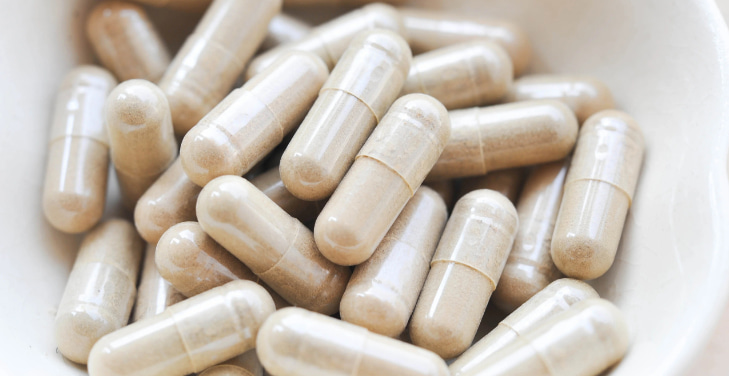
Glucomannan may support digestion and weight goals, but improper use can increase choking and digestive risks.
What Is Glucomannan and Why Do People Use It?
The feeling of fullness is always a major draw in modern weight management trends. Among the many functional fibers gaining attention, glucomannan stands out for its strong water-absorbing properties and its ability to form a thick gel in the digestive tract. This ingredient has a noticeable impact on appetite, digestive rhythm, and the stability of the gut microbiome.
Konjac Root Origin
Glucomannan is extracted from the konjac root, a fiber-rich plant commonly found in Asian cuisine. The soluble fiber in konjac swells significantly upon contact with water, thus forming a thick, viscous texture in the stomach. Many diet supplements use this ingredient to increase natural satiety.
Weight Management
Many people use glucomannan before meals to control portion sizes and reduce the urge to eat throughout the day. Its strong swelling properties help the stomach signal fullness faster, thereby supporting more effective calorie management.
Gut Health Support
Glucomannan promotes the activity of beneficial gut bacteria and supports stable bowel movements. This fiber helps soften stools, supporting regular bowel movements and maintaining a healthy digestive environment every day.
Common Glucomannan Side Effects
The body reacts quite quickly when the amount of soluble fiber increases sharply in a short period of time. Glucomannan produces a significant swelling effect in the digestive system, thereby altering the pressure in the stomach and the activity of the intestines. Many people notice symptoms appearing in the first few days of use, especially when using high doses or drinking too little water.
Bloating and Fullness
A feeling of fullness is common after taking glucomannan. Fiber strongly absorbs water, rapidly increases volume, and can create significant pressure in the stomach. Some people feel abdominal tightness, heaviness, or prolonged discomfort after meals.
Digestive Changes
Bowel movements change noticeably when the amount of fiber increases suddenly. In some cases, loose stools, frequent bowel movements, or mild abdominal cramps occur. The digestive system often reacts more strongly in people with sensitive intestines.
Gas Production
Fermentation of fiber in the colon increases intestinal gas production. Many people experience bloating, stomach rumbling, and a feeling of pressure in the lower abdomen after taking glucomannan supplements continuously for several days.
Serious Glucomannan Dangers You Should Know
A small capsule can create significant pressure inside the digestive system when it absorbs water too quickly. Glucomannan has strong swelling properties, so proper administration is crucial. Many serious complications arise from incorrect dosage, insufficient water intake, or use in individuals with sensitive digestive systems.
Choking Hazard
Glucomannan can swell in the throat if the capsule gets stuck before reaching the stomach. Users often experience choking, difficulty swallowing, and chest tightness in a short time. This can cause panic and obstruct airflow.
Intestinal Blockage
The thick gel formed from glucomannan can accumulate in the intestines when the body is dehydrated or when digestion is slow. Some cases experience severe abdominal pain, bloating, and prolonged constipation. Increased pressure inside the intestines causes persistent discomfort.
Severe Digestive Distress
High doses can cause a more severe digestive reaction. Users may experience severe abdominal cramps, bloating, and a persistent feeling of pressure after meals. These symptoms often significantly impact daily life and overall digestive quality.
Who Should Avoid Glucomannan Supplements?
Not all bodies react stably to high levels of swelling fiber. Glucomannan directly affects the stomach, esophagus, and bowel activity, so some groups are more prone to noticeable digestive complications after use. Underlying health conditions, swallowing ability, and digestion rate all strongly influence the safety of this product.
People With Swallowing Issues
Individuals with swallowing difficulties are at risk of choking and esophageal obstruction. Glucomannan tablets absorb water very quickly and increase significantly in size in a short time. The feeling of something stuck in the throat often appears suddenly and causes intense discomfort.
Individuals With Digestive Disorders
Individuals with a history of bowel obstruction, intestinal spasms, or chronic digestive disorders are often more sensitive to glucomannan. Pressure in the digestive system increases rapidly when fiber swells strongly in the stomach and intestines.
Older Adults and Young Children
Older adults and young children often have digestive systems that are more sensitive to sudden changes in fiber intake. Their ability to chew, swallow, and regulate water intake also directly affects their daily tolerance to glucomannan.
Can Glucomannan Interact With Medications?
Many people focus on the weight-loss benefits but overlook the potential for drug interactions with glucomannan. This fiber forms a thick gel in the stomach and alters the rate at which active ingredients are absorbed through the digestive tract. Even a small change in timing can significantly affect the effectiveness of many common medications.
Blood Sugar Medications
Glucomannan helps slow the absorption of carbohydrates and directly impacts post-meal blood sugar levels. When combined with diabetes medication, blood sugar levels may drop more sharply than expected. Some people experience dizziness, tremors, and fatigue throughout the day.
Reduced Drug Absorption
The thick gel formed by glucomannan slows the passage of drugs through the digestive system. Some active ingredients are less well absorbed when taken with this fiber, especially thyroid medication, fat-soluble vitamins, and some essential minerals.
Timing Matters
The timing of glucomannan and oral medication is crucial. Many experts recommend taking them several hours apart to maintain consistent absorption and support more accurate treatment outcomes.
Signs You May Be Taking Too Much Glucomannan
The body often signals clearly when fiber intake exceeds its tolerance. Glucomannan absorbs water strongly and rapidly increases in volume in the digestive tract, so high doses can easily put significant pressure on the stomach and intestines. Initial signs often appear subtly and gradually increase in intensity after several days of continuous use.
Persistent Bloating
Prolonged bloating is a common sign of excessive glucomannan intake. The accumulation of a thick gel in the stomach can lead to feelings of heaviness, bloating, and pressure after meals. Some people experience discomfort for hours at a time.
Irregular Bowel Movements
Bowel movements change drastically when fiber intake increases suddenly. Some people experience prolonged constipation, dry, hard stools, or difficulty defecating. Others experience loose stools and frequent bowel movements throughout the day.
Swallowing Discomfort
A feeling of choking, difficulty swallowing, or chest pain often occurs when glucomannan swells too quickly in the esophagus. This symptom puts noticeable pressure on the throat and causes discomfort immediately after ingestion.
How to Take Glucomannan Safely
The effectiveness of glucomannan depends greatly on how it is used daily. This fiber works powerfully within the digestive tract, so dosage, water intake, and timing all directly affect safety. A proper usage routine helps the body adapt more effectively and supports a stable digestive system.
Start With Small Amounts
The body reacts more comfortably as the amount of glucomannan gradually increases over time. Many experts recommend starting with a low dose to allow the digestive system to gradually adapt to the strong water-absorbing and swelling capabilities of this soluble fiber.
Drink Plenty of Water
Water plays a crucial role in the use of glucomannan. Adequate water helps the fiber move smoothly through the esophagus and intestines, and supports the formation of a stable gel structure in the stomach. Users often drink a large glass of water with glucomannan to increase safety.
Take Before Meals
Many people take glucomannan about 15 to 30 minutes before meals to help promote satiety and better control portion sizes. This timing allows the fiber to swell at the right time, creating a more noticeable feeling of fullness during the meal.
Glucomannan in Food vs. Supplements
The same active ingredient, but the way the body receives it creates completely different experiences. Glucomannan is found in traditional foods in its natural form and is also common in weight-loss and functional fiber supplements. The concentration level, absorption rate, and swelling ability differ significantly between these two forms of use.
Natural Food Sources
Konjac-based foods such as shirataki noodles, konjac jelly, and high-fiber foods provide a more naturally distributed amount of glucomannan in the diet. Chewing and digestion occur slowly, allowing the body to steadily adapt to the amount of fiber entering the intestines.
Concentrated Supplements
Glucomannan tablets contain a high concentration of fiber in a small volume. Upon contact with water, the active ingredient swells very quickly and forms a strong gel in the stomach. Many people use the supplement form to help control hunger and reduce food intake.
Usage Experience
Foods containing glucomannan generally provide a lighter and more stable feeling during daily digestion. Supplements have a stronger effect on satiety and require more careful control of dosage and water intake to maintain safety.
Myths and Misunderstandings About Glucomannan Dangers
The strong social media promotion has led many to view glucomannan as an absolutely safe "weight loss weapon." The truth lies in how it's used, the dosage, and the individual's health condition. When inaccurate information spreads too quickly, misunderstandings about the effects and risks of glucomannan also increase significantly.
"Natural Means Safe"
Many believe that naturally derived ingredients are always suitable for all bodies. Glucomannan still puts strong pressure on the esophagus, stomach, and intestines when used incorrectly. The fiber's extremely strong water-absorbing properties directly affect daily digestive activity.
"More Fiber Gives Faster Results"
The desire for rapid weight loss leads many to continuously increase the dosage in a short period. Excessively high amounts of glucomannan can easily cause bloating, intestinal cramps, and prolonged discomfort. The digestive system often reacts strongly to a sudden increase in fiber intake.
"Supplements Work Instantly"
Many products advertise a rapid satiety effect and significant weight loss after just a few days of use. Glucomannan works more effectively when combined with a balanced diet, adequate water intake, and a stable daily routine.
Conclusion
Glucomannan has a powerful effect on satiety, digestive function, and portion control. Its superior water-absorbing capacity directly impacts the stomach and intestines shortly after use.
Appropriate dosage, adequate water intake, and precise timing of use help the body adapt more effectively. A thorough understanding of side effects, drug interactions, and digestive risks makes the daily use of glucomannan safer and more effective.
Frequently Asked Questions (FAQs)
- Can glucomannan cause choking? – Glucomannan absorbs water rapidly and expands significantly, which may cause choking or swallowing discomfort when taken with insufficient water.
- How much water should I drink with glucomannan? – A full glass of water supports smooth movement through the esophagus and helps glucomannan form a stable gel in the stomach for balanced digestion.
- Does glucomannan affect medications? – Glucomannan can slow the absorption of certain medications and nutrients, including diabetes drugs, thyroid medications, and some vitamins.
- Who faces higher risks from glucomannan? – Individuals with swallowing difficulties, digestive disorders, or a history of bowel obstruction may react more strongly to glucomannan intake.
- Can glucomannan help with weight management? – Glucomannan promotes fullness and portion control, supporting weight management when combined with balanced nutrition, hydration, and consistent habits.
