
A remarkable fact about health is that seemingly simple beverages can have profound biological effects. Hibiscus tea, with its vibrant red color, activates numerous mechanisms within the body.
The active compounds in this tea affect blood pressure, hormone levels, and energy metabolism. Each sip triggers a complex chain of physiological reactions, shaping the internal balance in distinct and noteworthy ways.
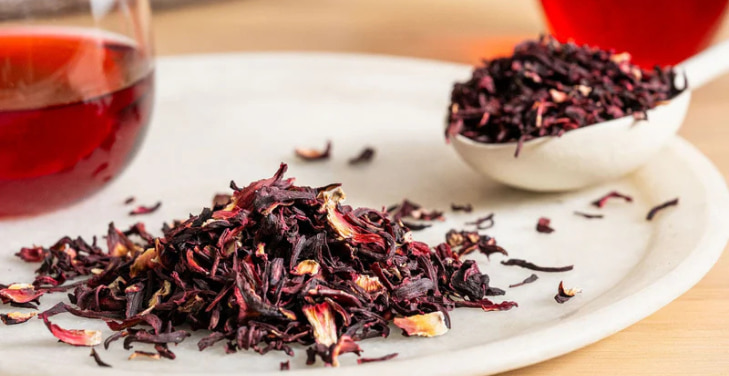
Hibiscus tea may affect blood pressure, hormone levels, and the effectiveness of certain medications in some individuals.
What Is Hibiscus Tea?
Hibiscus tea is a herbal tea with a distinctive deep red color and a subtly sour and appealing flavor. This tea is associated with many culinary cultures and is often consumed for its potential benefits in supporting cardiovascular health, metabolism, and mental relaxation.
Origin and Plant Source
Hibiscus tea is brewed from the calyx of the Hibiscus sabdariffa plant. The calyx contains anthocyanin pigments that create the deep red color and contribute to the formation of valuable bioactive compounds.
Nutritional and Bioactive Profile
Hibiscus tea contains polyphenols, flavonoids, and organic acids. These compounds participate in antioxidant processes and directly impact the circulatory and metabolic systems.
Common Uses and Consumption Forms
Users typically enjoy hibiscus tea hot or cold. Some recipes incorporate honey or other herbs to enhance flavor and expand its functional benefits.
Key Compounds Behind Its Effects
Hibiscus tea has a strong biological impact thanks to its diverse, highly active plant compounds. Each group of compounds plays a distinct role, working closely together to shape its effects on cardiovascular health, metabolism, and inflammatory responses.
Anthocyanins and Color-Linked Activity
Anthocyanins give the tea its characteristic red color and exhibit strong antioxidant activity. This group of compounds helps regulate blood pressure and support endothelial function.
Organic Acids and Metabolic Influence
Organic acids such as hibiscus acid and citric acid promote digestion and influence pH balance. They contribute to the sour taste and impact energy metabolism.
Flavonoids and Anti-Inflammatory Potential
Flavonoids in hibiscus tea regulate inflammatory responses and support cellular protection against oxidative stress. These molecules interact with many key biological pathways.
Polysaccharides and Immune Modulation
Polysaccharides play a role in immune regulation and enhancing the body's natural response. This component contributes to strengthening the biological defense barrier.
Blood Pressure Drops and Hypotension Risk
Hibiscus tea significantly affects blood pressure through biological mechanisms related to vasodilation and endothelial regulation. This effect is beneficial in controlling hypertension, but also creates a risk of hypotension when used uncontrolled or in sensitive groups.
Vasodilation Mechanism
Anthocyanins and flavonoids stimulate nitric oxide production in the vascular endothelium. This process dilates blood vessels, reduces peripheral resistance, and rapidly lowers blood pressure.
Symptoms of Hypotension
Hypotension manifests as dizziness, lightheadedness, fatigue, and decreased concentration. The body reacts by reducing blood flow to the brain, creating a feeling of lightheadedness and instability.
High-Risk Populations
Individuals with low blood pressure, those taking antihypertensive medications, and the elderly show high sensitivity to hibiscus tea. This group is more likely to experience significant blood pressure fluctuations with regular or high-dose consumption.
Potential Drug Interactions
Hibiscus tea directly affects the pharmacological activity of many drugs through biochemical and hepatic metabolic mechanisms. This interaction significantly alters the therapeutic efficacy and absorption rate of the active substance, thereby shaping the systemic response.
Interaction with Antihypertensive Drugs
Hibiscus tea enhances the antihypertensive effect when combined with antihypertensive drugs. This synergistic effect reduces pulse pressure more rapidly than expected and causes noticeable blood pressure fluctuations throughout the day.
Influence on Drug Metabolism Enzymes
Compounds in hibiscus tea affect the cytochrome P450 enzyme system in the liver. This adjustment alters the rate of drug metabolism, leading to increased or decreased blood concentrations of the active substance. This directly affects the drug's therapeutic efficacy and biological potency.
Effects on Liver Function
Hibiscus tea directly affects the liver through bioactive compounds that support metabolism and detoxification. The liver responds strongly to these plant molecules, leading to noticeable changes in enzyme activity and cellular structure.
Hepatic Enzyme Modulation
The polyphenols in hibiscus tea regulate the activity of liver enzymes such as ALT and AST. This change reflects the liver's biological response to exogenous compounds.
Oxidative Stress and Cellular Response
Hibiscus tea affects the oxidative balance in liver cells. The potent antioxidants promote cellular adaptation to metabolic stress.
Dose-Dependent Liver Impact
The dose consumed determines the intensity of the impact on the liver. Higher consumption creates greater metabolic stress, thereby increasing the organ's processing and adaptive activity.
Hormonal Impact and Fertility Concerns
Hibiscus tea impacts the endocrine system through plant compounds that interact with the reproductive hormone axis. These changes ripple through the menstrual cycle, ovulation, and the physiological environment necessary for fertility.
Estrogen-Like Activity
Several flavonoids in hibiscus tea exhibit estrogen-like activity. These molecules bind to hormone receptors and activate biological signaling pathways involved in endocrine regulation.
Menstrual Cycle Modulation
Hibiscus tea influences the menstrual cycle rhythm through its effects on luteinizing and follicle-stimulating hormones. This change creates variability in the timing and intensity of the cycle.
Fertility and Reproductive Environment
Hibiscus tea shapes the endocrine environment related to fertility. Changes in hormonal factors affect egg quality and the preparation of the uterine lining, thereby impacting fertility.
Risks During Pregnancy and Breastfeeding
Hibiscus tea can cause significant physiological changes during pregnancy and breastfeeding, when the body becomes sensitive to hormonal and metabolic influences. The active compounds in this tea directly regulate the uterus and milk flow.
Uterine Stimulation Effects
Hibiscus tea stimulates uterine smooth muscle activity through hormonal signals and biological mediators. Increased contractions affect the stability of the pregnancy environment.
Hormonal Shifts in Pregnancy
Flavonoids and organic acids affect the balance of estrogen and progesterone hormones. This regulation influences the maintenance of pregnancy and the physiological development of the fetus.
Breast Milk Composition Influence
Hibiscus tea influences the biochemical composition of breast milk through hepatic and mammary gland metabolism. These plant compounds enter the milk and shape the infant's nutritional environment.
Allergic Reactions and Sensitivity
Hibiscus tea can trigger an immune response in some sensitive individuals, leading to a range of mild to pronounced symptoms in the skin and respiratory system. Plant compounds in the calyx interact with the immune system and trigger a specific inflammatory response.
Immune System Activation
Proteins and polyphenols in hibiscus tea stimulate immune cells to release histamine. This reaction leads to vasodilation, increased vascular permeability, and the formation of typical allergic symptoms.
Dermatological Manifestations
Sensitive individuals may experience rashes, itching, and skin redness after consumption. These manifestations spread according to the severity of the reaction and reflect the intensity of immune activation.
Respiratory Sensitivity
Hibiscus tea affects the respiratory tract by triggering an inflammatory response in the mucous membranes. Users may experience throat irritation, increased secretions, and changes in breathing patterns upon contact with this plant allergen.
Impact on Blood Sugar Levels
Hibiscus tea directly participates in blood sugar regulation through multiple biological mechanisms, including digestive enzymes, insulin signaling, and cellular metabolism. These effects shape how the body processes blood glucose at different times of consumption.
Glucose Absorption Regulation
The polyphenols in hibiscus tea slow the activity of carbohydrate-digesting enzymes in the gut. This process regulates glucose absorption and reduces postprandial blood glucose peaks.
Insulin Sensitivity Enhancement
Hibiscus tea enhances insulin sensitivity by activating intracellular signaling pathways involved in glucose transport. Cells respond more strongly to insulin, thereby regulating circulating blood glucose levels.
Glycemic Fluctuation Patterns
Consuming hibiscus tea can cause significant blood glucose fluctuations, depending on the dose and timing of use. These fluctuations reflect the complex interaction between plant compounds and the energy metabolism system.
Who Should Avoid Hibiscus Tea
Hibiscus tea produces pronounced physiological effects on blood pressure, the endocrine system, and metabolism, so certain groups are more sensitive to it. Identifying the right risk group helps to better control biological responses and protect the body's balance.
Individuals with Low Blood Pressure
Individuals with low blood pressure experience a faster reduction in pulse pressure when using hibiscus tea. The strong vasodilating effect increases feelings of dizziness, reduces alertness, and affects cerebral circulation.
People on Medication Regimens
Individuals using medications for blood pressure, diabetes, or liver metabolism react significantly to hibiscus tea. The active compounds alter pharmacokinetics, thereby affecting drug concentrations and treatment effectiveness in the body.
Conclusion
Hibiscus tea exhibits a broad spectrum of biological effects, ranging from blood pressure regulation and endocrine influence to drug interactions and immune responses. Each mechanism reflects the presence of potent plant compounds.
Using hibiscus tea requires careful consideration of dosage, health status, and individual factors. This proactive approach helps maintain physiological balance and optimize a safe daily consumption experience.
Frequently Asked Questions (FAQs)
- Is it safe to drink hibiscus tea every day? – Hibiscus tea influences blood pressure and metabolism, with daily use supporting balance when consumed in moderate amounts and aligned with individual tolerance.
- Does hibiscus tea affect medications? – Hibiscus compounds can interact with liver enzymes and circulation, potentially influencing how medications are processed and their overall effectiveness.
- Should people with low blood pressure drink hibiscus tea? – Hibiscus tea promotes vasodilation and may lower blood pressure further, which can lead to dizziness or reduced circulation in sensitive individuals.
- How does hibiscus tea affect hormones? – Flavonoids in hibiscus tea influence endocrine signaling and may affect hormone balance, including pathways related to estrogen and reproductive function.
- Does hibiscus tea cause allergies? – Some individuals may experience immune reactions such as itching, skin irritation, or respiratory sensitivity due to histamine-related responses.
