
Parasite cleansing has emerged as a modern health trend, driven by the desire to control the body from within. Users are actively seeking quick solutions that create a feeling of "cleansing" and rebalancing the digestive system.
The increase in digestive disorders, chronic fatigue, and lifestyle stress has led many to pay more attention to detoxification methods. This trend is booming, driving a need to understand the true impact on the body.
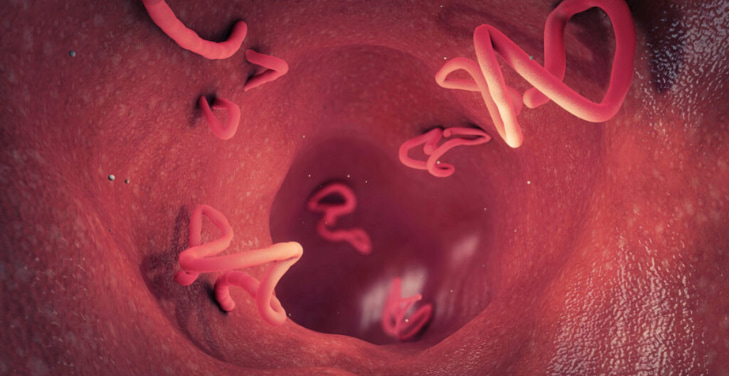
Common parasite-cleansing products often mask risks behind detox and wellness claims.
Understanding Parasite Cleansing
Parasite cleansing is a prevalent health and wellness trend, fostering a sense of proactive control over the body. This concept focuses on eliminating parasites through diet, herbs, or supplements. The mechanism is described simply, but the physiological effects are complex and far-reaching.
Core Concept of Parasite Cleansing
Parasite cleansing aims to "cleanse" the intestines using bioactive substances. Practitioners often use herbs, enzymes, or fiber with the expectation of creating an unfavorable environment for parasites. This process stimulates bowel motility, increases excretion, and alters the microbiome.
Common Methods and Practices
Common methods include drinking herbal mixtures, intermittent fasting, or using pill-form preparations. Some programs last several days and involve restrictive diets. This process places significant metabolic stress on the digestive system.
Physiological Impact on the Body
The body responds by increasing digestive fluid secretion, altering electrolyte balance, and adjusting the gut microbiota. These changes occur rapidly, directly affecting nutrient absorption and overall energy status.
Why Parasite Cleanses Became Popular
Parasite cleansing is spreading rapidly, driven by the need for natural health control. Users seek simple, easy-to-apply solutions that create a feeling of "refreshing" the body. This trend thrives in an open information environment where personal experiences are constantly shared.
Influence of Detox Culture
Detox culture promotes the belief that the body accumulates toxins that need to be eliminated periodically. Cleansing programs provide an immediate feeling of relief, thereby reinforcing the behavior of repeating the process. The message of "cleansing from within" becomes a powerful motivator.
Role of Social Media Amplification
Social media amplifies personal success stories through videos, images, and direct storytelling. Short, visual, and emotionally rich content stimulates curiosity. Viewers easily access and quickly adopt the methods.
Appeal of Natural and Holistic Health
Herbal products and natural methods create a sense of safety and closeness to a healthy lifestyle. Users prioritize this choice to proactively care for their bodies. The trend towards holistic care continues to drive the popularity of parasite cleansing.
Lack of Scientific Evidence
Parasite cleansing has garnered significant attention, but the scientific basis for this method remains fragmented. Claims of effectiveness are often based on personal experience and simplistic biological reasoning. Medical evaluation focuses on verifiable data, research standards, and clear clinical results.
Clinical Research Limitations
Clinical studies on parasite cleansing are limited in number, small-scale, and inconsistent in design. Data collection lacks repeatability, making it difficult to determine effectiveness. Results vary greatly among subject groups.
Gap Between Claims and Evidence
Marketing claims often broaden the scope of effects, from digestive to immune. Existing evidence only reflects local or short-term effects. The gap between promotion and scientific data creates a bias in perception.
Absence of Standardized Protocols
Parasite cleansing procedures vary depending on the product, dosage, and duration of use. The lack of common standards complicates the comparison and evaluation of effectiveness. This directly impacts the reliability of medical conclusions.
Common Ingredients and Their Effects
Parasite cleansing uses a variety of herbal and bioactive ingredients, each with its own effect on the digestive system. Formulations often combine multiple substances to enhance the overall effect, from stimulating bowel movements to altering the microbial environment. This combination creates a multi-layered physiological response.
Herbal Compounds and Bioactive Effects
Herbs such as wormwood and black walnut contain compounds with strong bioactive properties. These substances directly affect the intestinal mucosa, promoting excretion and altering the bacterial balance. The body responds quickly to these chemical signals.
Laxatives and Intestinal Stimulation
Laxatives are added to accelerate elimination through the digestive tract. Bowel movements increase significantly, leading to faster movement of waste and digestive fluids. This process directly affects absorption and water balance.
Enzymes and Digestive Modulation
Digestive enzymes break down proteins and complex biological structures. Enzymatic activity alters the gut's internal environment, affecting both microorganisms and metabolism. This modification occurs continuously throughout the cleansing process.
Fiber-Based Components
Soluble and insoluble fiber forms bulk in the intestinal lumen, supporting waste transport. Mechanical pressure from the fiber bulk stimulates the intestinal wall and enhances elimination efficiency. This contributes to reshaping the digestive circadian rhythm.
Digestive System Disruption
Parasite cleansing directly affects the digestive system, triggering a rapid, continuous chain of physiological reactions. Increased elimination, stimulated peristalsis, and changes in the intestinal environment cause the digestive system to enter a state of strong adjustment. These changes extend from the stomach to the colon.
Altered Gut Motility
Intestinal peristalsis accelerates significantly under the influence of herbs and laxatives. Contraction waves occur more frequently, speeding up the movement of food and waste. The digestive rhythm changes, directly affecting the time required for absorption.
Microbiome Imbalance
The density and structure of the gut microbiota change as the internal environment fluctuates. Some bacterial strains thrive, while others decline rapidly. This redistribution affects digestive function and local immunity.
Fluid and Electrolyte Shifts
Continuous elimination leads to changes in water and electrolyte balance within the gut. The body maintains homeostasis by increasing fluid secretion and selective absorption. These fluctuations directly impact energy levels and overall health.
Risk of Misdiagnosis
The risk of misdiagnosis arises when individuals self-diagnose symptoms and attribute them to parasites. This approach creates a chain of decisions based on subjective feelings, leading to treatment based on assumptions. The consequences extend to the entire health monitoring process.
Symptom Misinterpretation
Symptoms such as bloating, fatigue, and digestive disorders are directly attributed to parasitic infections. The individual quickly links the discomfort to a specific cause. This association reinforces belief and promotes cleansing behavior.
Delay in Accurate Diagnosis
The self-treatment process delays access to an accurate medical diagnosis. In-depth tests are delayed, allowing the actual condition to continue to progress. The healthcare timeline becomes skewed.
Overreliance on Self-Assessment
Users rely on personal observation and online information to conclude. Treatment decisions are based on personal experience rather than clinical data. This model increases the likelihood of misjudgments in health status.
Toxicity and Overuse Concerns
Toxicity and overuse concerns arise when parasite cleansing is repeated at high doses and for extended periods. The body continuously receives bioactive compounds, triggering a series of metabolic reactions. Pressure gradually builds, spreading from the digestive system to the liver, kidneys, and nervous system.
Bioactive Compound Accumulation
Active compounds from herbal remedies accumulate in tissues with continuous use. Concentrations increase over time, creating a cumulative effect in the blood and target organs. This alters homeostasis and the intensity of biological responses.
Liver and Kidney Load
The liver processes exogenous compounds through its metabolic enzyme system, while the kidneys participate in the elimination of end products. Increased metabolic load causes these two organs to work at a higher intensity. This directly affects filtration and metabolic efficiency.
Dose Escalation Behavior
Users often increase the dose to achieve a "stronger effect." This behavior alters the body's tolerance threshold, amplifying the physiological effects. The cycle of increasing doses continues, placing ever greater pressure on the organ systems.
Drug Interactions and Contraindications
Drug interactions and contraindications are major concerns when parasite cleansing is performed concurrently with medical treatment. Active ingredients in herbal remedies directly interact with metabolic enzymes, thereby altering how the body processes drugs. This interaction is subtle but has far-reaching effects.
Enzyme Modulation in Drug Metabolism
Many herbal compounds affect liver enzyme systems such as Cytochrome P450. Changes in enzyme activity lead to significant fluctuations in drug metabolism rates. Drug concentrations in blood increase or decrease depending on the mechanism of interaction.
Impact on Medication Efficacy
Treatment effectiveness is directly affected by fluctuating drug concentrations. Antibiotics, cardiovascular drugs, or endocrine drugs are sensitive to these changes. Treatment response becomes difficult to control when cleansing occurs simultaneously.
High-Risk Populations
Certain groups, such as pregnant women, individuals with chronic illnesses, or those undergoing long-term treatment, have high physiological sensitivities. Their bodies react strongly to metabolic fluctuations and changes in homeostasis. These factors increase the level of risk during parasite cleansing.
Psychological Effects and Health Anxiety
Psychological effects and health anxiety develop in parallel with parasite cleansing behavior, creating a perception-emotion-action loop. Body experiences become more acute, with every small signal noticed and strongly interpreted. The mind becomes deeply involved in monitoring and evaluating health.
Heightened Body Awareness
The practitioner focuses intensely on internal sensations such as bowel movements, abdominal pressure, and energy changes. Increased attention makes physiological signals more prominent. Body awareness becomes detailed and continuous.
Reinforcement of Health Beliefs
Beliefs about "cleansing" are reinforced through personal experience and online content. Every small change in the body is interpreted as confirming evidence. Belief systems develop firmly and influence health decisions.
Cycle of Anxiety and Control
The feeling of control motivates continued cleansing, while anxiety about one's physical condition fuels constant monitoring. This cycle repeats with increasing intensity, closely linking behavior and emotion. The mind maintains a state of heightened alertness and reacts quickly to any changes.
Conclusion
Parasite cleansing has a multifaceted impact on the body, from physiological to psychological. Users experience rapid changes in their digestive systems, metabolism, and perceptions of health. These changes occur simultaneously and are closely interconnected.
The decision to adopt it should be based on a clear understanding of the mechanism, composition, and systemic effects. Effective health care guidance is linked to accurate medical assessment and appropriate monitoring.
Frequently Asked Questions (FAQs)
- Does parasite cleansing really eliminate parasites? – Parasite cleansing changes the digestive environment and promotes elimination, but effectiveness depends on the parasite type and often requires clinical diagnosis and targeted treatment.
- Why do many people feel lighter after cleansing? – Increased bowel motility and reduced digestive waste create a lighter feeling, along with temporary improvements in energy and overall comfort.
- How does parasite cleansing affect the gut microbiome? – Active compounds can shift the balance of gut bacteria, influencing digestion, immune response, and metabolic processes.
- Are there any groups of people who need to be especially cautious when undergoing this procedure? – Individuals with chronic conditions, pregnant women, and those on long-term medications may have higher sensitivity and should approach cleansing with caution.
- What psychological effects can parasite cleansing have? – Cleansing can heighten awareness of bodily sensations and reinforce beliefs about detoxification, influencing perception and health-related behaviors.
