
Dandelion tea is increasingly appearing in health care routines, known as a natural herbal remedy rich in bioactive compounds. The body reacts quickly to each compound, creating noticeable changes in the digestive and excretory systems.
Each cup of tea simultaneously activates multiple physiological mechanisms. Users feel the changes after only a short time. Will your body adapt well to these effects?
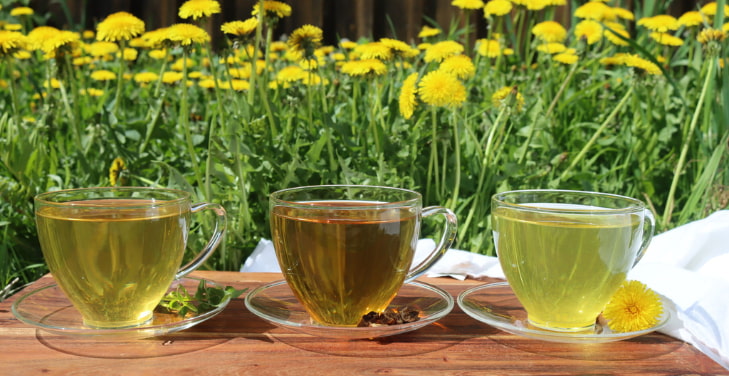
Dandelion tea may offer benefits, but carries risks for sensitive individuals
What Is Dandelion Tea and Why Do People Drink It
Dandelion tea has appeared in many traditional medicine systems and continues to spread in modern health practices. This beverage has a mild, slightly bitter flavor, leaving a cleansing, pleasant feeling after each use.
Herbal Composition and Preparation
Dandelion tea is brewed from the roots, leaves, or flowers of the dandelion plant. Users choose between dried or convenient tea bags. The plant components contain flavonoids, polyphenols, and potent bioactive compounds, contributing to its characteristic nutritional value.
Traditional Uses in Natural Medicine
Traditional medical systems use dandelion tea to support the liver and promote digestion. This practice has developed over generations, linked to the concept of balancing the body and enhancing natural excretory functions.
Modern Wellness Trends and Popularity
Modern consumers are turning to dandelion tea as a healthy beverage option. The trend of detox and proactive health care is driving the popularity of this tea among those who prefer a natural lifestyle.
Dandelion Tea Dangers at a Glance
Dandelion tea offers many biological benefits but also poses clear risks when used without proper control. The body responds quickly to the herb's active ingredients, resulting in multifaceted effects on the digestive, immune, and metabolic systems.
Key Side Effects Overview
Users have reported stomach discomfort, bloating, or increased bowel motility after consumption. Some cases have shown skin reactions, mild itching, or mucosal irritation. These manifestations reflect the body's sensitivity to the active plant compounds.
High-Risk Groups
Pregnant women, individuals with underlying liver and biliary tract diseases, and those allergic to Asteraceae plants exhibit higher levels of sensitivity. Specific sensitivities can cause strong, rapid biological reactions, requiring caution in dosage selection.
Interaction-Related Concerns
Dandelion tea affects fluid balance and drug metabolism. People who are using diuretics, hypoglycemic drugs, or anticoagulants should be aware of physiological changes that may occur when these medications are combined.
Allergic Reactions and Sensitivity Risks
Allergic reactions to dandelion tea occur quickly and involve multiple organ systems. Active plant compounds activate the immune system, thereby creating a strong chain reaction in sensitive individuals.
Cross-Reactivity with Asteraceae Plants
Dandelion belongs to the Asteraceae family, the same group as ragweed, daisies, and sunflowers. Individuals with a history of allergies to this plant group are prone to cross-reactivity. The body mistakenly identifies plant proteins, triggering an immediate immune response.
Common Allergy Symptoms
Users may experience rashes, itchy skin, swollen lips, or throat irritation. Some cases may involve watery eyes, nasal congestion, and a burning sensation in the mucous membranes. These symptoms reflect histamine release in the body.
Sensitivity in Digestive and Skin Systems
The digestive system may react with a feeling of gnawing discomfort or increased gastric acid secretion. The skin becomes more sensitive and more easily irritated when exposed to sunlight or other environmental factors. These changes indicate a low level of adaptation to the bioactive compounds in dandelion tea.
Digestive Side Effects You Might Experience
Dandelion tea directly affects the digestive system by stimulating bile and digestive enzymes. The body responds quickly, creating noticeable changes in bowel movements and stomach sensation after only a short period of use.
Increased Gastric Activity
Dandelion tea stimulates gastric juice secretion, promoting the breakdown of food. The stomach becomes more active, creating a mild burning sensation in the epigastric region and increasing the rate of digestion. People with sensitive mucous membranes are more likely to notice this change.
Laxative-Like Effects
The natural active ingredients in dandelion tea promote bowel movements, thereby softening stool and increasing its frequency. Some people experience loose stools or frequent bowel movements when using high doses.
Bloating and Abdominal Discomfort
The rapid fermentation and metabolism in the intestines produce gas, causing bloating and a feeling of fullness. The lower abdomen becomes sensitive, and a fleeting feeling of discomfort appears after drinking tea.
Potential Drug Interactions to Consider
Dandelion tea strongly affects metabolism and homeostasis, thereby altering how the body processes medication. The bioactive compounds in this herb interact directly with liver enzymes and the excretory system, creating significant fluctuations in pharmacological efficacy.
Diuretics and Fluid Balance
Dandelion tea promotes urination, increasing the rate of fluid removal from the body. When combined with diuretics, this effect is significantly amplified, leading to electrolyte imbalance and changes in blood pressure.
Blood Sugar Regulation Medications
Compounds in dandelion tea affect glucose metabolism and insulin sensitivity. Users of blood sugar-lowering medications experience rapid changes in blood glucose levels, creating noticeable physiological fluctuations.
Anticoagulants and Bleeding Risk
Dandelion tea affects circulation and blood clotting through its active plant components. When combined with anticoagulants, the body tends to prolong blood clotting time and increase vascular sensitivity.
Impact on Kidney and Gallbladder Health
Dandelion tea directly affects the excretory and biliary systems through a powerful physiological stimulation mechanism. The plant-based active ingredients act quickly, creating noticeable changes in bile flow and kidney filtration function.
Bile Stimulation and Gallbladder Activity
Dandelion tea stimulates the liver to increase bile production and promotes gallbladder contraction. Increased bile flow supports fat digestion. People with gallstones feel increased pressure in the gallbladder, which can lead to a feeling of fullness or pressure in the right lower rib area.
Kidney Filtration and Fluid Regulation
Dandelion tea increases urine flow, promoting kidney filtration and the elimination of waste products. This process occurs continuously, altering the body's water and electrolyte balance. The kidneys respond by adjusting the glomerular filtration rate, creating noticeable physiological fluctuations.
Electrolyte Shifts and Internal Balance
Increased excretion leads to changes in potassium and sodium levels. The body quickly adjusts to maintain homeostasis, while in some sensitive cases, it produces mild fatigue or changes in heart rate.
Hormonal and Pregnancy-Related Concerns
Dandelion tea affects the endocrine system and physiological environment during pregnancy through its highly bioactive plant compounds. The body reacts quickly to these changes, especially in pregnant and breastfeeding women.
Hormonal Modulation Effects
The phytochemicals in dandelion tea influence hormone metabolism and endocrine signaling. The liver, which regulates hormones, becomes more active, thereby altering the balance of estrogen and progesterone in the body.
Uterine Activity and Pregnancy Response
Dandelion tea mildly stimulates smooth muscle activity, including that of the uterus. The increased sensitivity of the uterus during pregnancy makes physiological responses more pronounced, especially in the early and late stages.
Breastfeeding and Lactation Dynamics
The components of dandelion tea enter breast milk through the bloodstream. The mother's body regulates milk production via hormonal signals, while the infant receives these compounds through breastfeeding, thereby creating a unique biological response.
Overconsumption Risks and Dosage Awareness
Dandelion tea produces noticeable biological effects at appropriate levels, but can cause strong reactions when consumption increases. The body responds quickly to large doses, leading to simultaneous changes in the digestive system, electrolytes, and metabolism.
Signs of Excess Intake
Users experience bloating, frequent bowel movements, and increased urination when consumed excessively. The body exhibits mild fatigue, constant thirst, and changes in daily routines.
Cumulative Physiological Effects
Repeated use at high doses puts pressure on the liver and kidneys. The excretory system is constantly active, leading to fluctuations in electrolyte levels and disruptions of homeostasis. These reactions accumulate over time and become more pronounced.
Recommended Intake Awareness
Users should adjust their dosage based on their physical condition and intended use. One to two cups a day creates a steady impact, helping the body adapt and maintain physiological balance.
Who Should Avoid Dandelion Tea Completely
Dandelion tea has a pronounced biological effect on many organ systems, so some groups of people need to proactively avoid it to maintain a stable state. Individual constitution and underlying medical conditions determine the extent of the body's reaction to these herbal active ingredients.
Individuals with Plant Allergies
People with a history of allergies to the Asteraceae family, such as ragweed or daisies, are more likely to experience a strong immune response. The body recognizes plant proteins and reacts immediately through the skin, mucous membranes, and respiratory tract.
Patients with Gallbladder Conditions
People with gallstones or gallbladder disorders are significantly affected when dandelion tea stimulates bile flow. The gallbladder contracts more strongly, creating internal pressure and increasing pain in the right hypochondrium.
People on Specific Medications
People using diuretics, anticoagulants, or blood sugar-regulating medications experience physiological fluctuations when combined with dandelion tea. The body changes how it absorbs and metabolizes drugs, thereby increasing the sensitivity of the circulatory and metabolic systems.
How to Reduce Risks When Drinking Dandelion Tea
Dandelion tea offers benefits when used correctly, but can cause noticeable side effects when used indiscriminately. A controlled approach helps the body adapt better and maintain physiological balance throughout use.
Start with Controlled Intake
Users begin with a small amount to allow the body to gradually acclimate to the plant-based active ingredients. One cup a day provides a stable foundation, which is gradually increased based on individual response and health goals.
Monitor Body Responses Closely
The body sends signals through digestion, skin, and overall energy levels. Users observe these changes daily, thereby identifying the appropriate level and adjusting their usage habits accordingly.
Choose Quality and Proper Preparation
Users choose clean, traceable dandelions that are properly processed. Water temperature and steeping time directly affect the concentration of the active ingredient, thereby determining its impact on the body.
Conclusion
Dandelion tea produces multifaceted biological effects, significantly impacting digestion, excretion, and endocrine function. The body reacts individually, resulting in very different experiences.
Controlled use helps maintain balance and optimize effectiveness. Users should actively observe their body's reactions, adjust dosage, and choose the appropriate time to achieve stable adaptation.
Frequently Asked Questions (FAQs)
- Does dandelion tea cause allergic reactions the first time it's used? – Some individuals may react to dandelion tea if the immune system identifies plant proteins as allergens, with symptoms appearing in the skin, respiratory tract, or digestive system.
- Is it safe to drink dandelion tea daily? – Daily intake can be well tolerated at appropriate doses, supporting balance, while excessive or prolonged use may affect digestion, electrolytes, and metabolic stability.
- How does dandelion tea affect medications being used? – Dandelion tea may influence liver enzymes and excretion pathways, potentially altering how certain medications are absorbed and metabolized.
- Who is most likely to experience side effects from drinking dandelion tea? – Individuals with allergies, liver or gallbladder conditions, kidney issues, or those taking specific medications may experience stronger reactions.
- How to recognize if your body is incompatible with dandelion tea? – Signs may include digestive discomfort, changes in bowel habits, skin reactions, or mild fatigue, indicating sensitivity to its active compounds.
