
Psyllium husk is widely used in modern healthcare practices, especially as digestive issues become increasingly common. Chronic constipation, motility disorders, and microbial imbalances are constant concerns.
Many people choose psyllium as a long-term support solution. However, continuous use has stronger effects on nutrient absorption, metabolism, and homeostasis. Understanding these effects helps optimize benefits and maintain sustainable health.
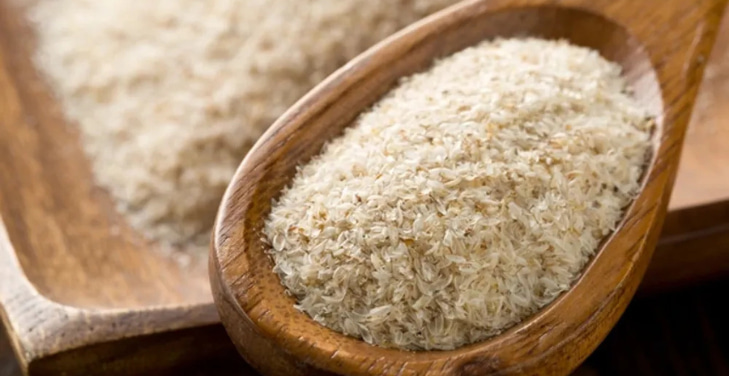
Long-term psyllium husk use may impact digestion, absorption, and daily comfort.
Understanding Psyllium Husk and Its Role in Digestion
Psyllium husk acts as a sophisticated "coordinator" in the digestive system. This fiber creates a dynamic metabolic environment in which all processes occur in an orderly, rhythmic manner.
What Is Psyllium Husk?
Psyllium husk comes from the seed husks of the Plantago ovata plant and is rich in soluble fiber. When it comes into contact with water, it swells significantly, forming a soft gel that increases stool volume. This mechanism stimulates stable bowel movements, thereby promoting natural elimination.
How does it support digestive flow?
Psyllium gel acts as a biological cushion. It softens the stool mass while applying gentle pressure to the intestinal wall, helping the stool flow more smoothly. This process maintains a regular digestive rhythm and supports a feeling of lightness in the stomach.
Its Role as Soluble Fiber?
As a type of soluble fiber, psyllium nourishes the gut microbiota. It creates favorable conditions for beneficial bacteria to thrive, helping maintain a balanced microbial ecosystem and optimizing digestive function.
Why People Use Psyllium Husk Long Term
Many people maintain psyllium husk as a consistent part of their daily health routine. This fiber has a profound, pervasive effect on the digestive system and overall metabolism.
Chronic Constipation Support
Psyllium husk helps form stable and regular stools. Users experience ease with each bowel movement while maintaining a consistent digestive circadian rhythm. This state provides a sense of control and agency over gut health.
Cardiovascular and Cholesterol Management
The soluble fiber in psyllium binds to bile acids in the gut, thereby supporting cholesterol regulation. This mechanism helps maintain balanced blood lipid levels, laying a solid foundation for long-term cardiovascular health.
Blood Sugar Regulation Benefits
Psyllium slows the rate of carbohydrate absorption in the intestines. The rate of blood sugar spikes becomes more stable, helping the body maintain consistent energy levels and limit strong metabolic fluctuations.
Common Short-Term Effects That Can Persist
Even with short-term use, psyllium husk produces noticeable changes in the digestive system. Some initial reactions continue to linger, shaping bodily sensations in subtle ways.
Bloating and Gas Formation
Psyllium stimulates the fermentation activity of the gut microbiota. This process produces gas, increasing intestinal pressure and causing a feeling of bloating. Many people notice a slight bloating sensation in the abdomen after each use, especially when the dosage increases rapidly.
Changes in Bowel Patterns
Soluble fiber changes the structure and frequency of bowel movements. Stools become softer, move more smoothly, and a stable bowel habit is formed. The body gradually adapts, but the difference in sensation persists in the initial stages.
Mild Abdominal Discomfort
The increase in intestinal volume creates mild pressure on the intestinal wall. A dull, intermittent sensation occurs, often accompanying the physiological adaptation process. Intestinal contractions become more pronounced, providing easily recognizable digestive signals.
Digestive System Changes Over Time
Prolonged use of psyllium husk creates profound adjustments in the digestive system. Physiological processes gradually restructure, forming a new equilibrium with a more stable and distinct rhythm.
Altered Bowel Function Rhythm
Psyllium establishes a regular bowel cycle by increasing stool volume and moisture. Bowel movements operate in a consistent rhythm, helping the body form a conditioned excretion reflex. This state synchronizes nerve signals with mechanical movements in the intestines.
Gut Microbiota Adaptation
Soluble fiber nourishes the gut microbiota, promoting the growth of beneficial bacteria strains. The microbial ecosystem becomes more diverse and dynamic, thereby optimizing fermentation and the production of short-chain fatty acids.
Increased Digestive Sensitivity Awareness
The sustained changes help the body more clearly recognize signals from the gut. Users can accurately sense their fullness, emptiness, and internal movements, thereby proactively adjusting their diet and lifestyle habits.
Risk of Nutrient Absorption Interference
Psyllium husk forms an active gel layer in the intestinal lumen, which directly affects how the body absorbs micronutrients. With prolonged use, this effect becomes pronounced and systemic.
Binding with Essential Minerals
Psyllium gel binds to minerals such as iron, zinc, and calcium during digestion. This binding alters the rate and efficiency of micronutrient absorption, thereby affecting the body's internal nutritional balance. The body responds by adjusting its mechanisms for mineral transport and storage.
Timing and Nutrient Competition
Psyllium creates a competitive environment for absorption in the small intestine. When taken with meals, this fiber slows the access of enzymes and nutrients to the absorption surface. The absorption rate becomes prolonged, leading to changes in the distribution of energy and micronutrients.
Impact on Fat-Soluble Vitamins
The soluble gel layer affects lipid emulsification, thereby impacting the absorption of fat-soluble vitamins such as A, D, E, and K. This change reshapes how the body processes and distributes these important nutrients.
Dehydration and Intestinal Blockage Concerns
Psyllium husk thrives in aqueous environments, and this characteristic leads to noticeable consequences when the body is deficient in fluids. An imbalance between fiber and water quickly affects the entire digestive process.
Fluid Demand and Systemic Hydration
Psyllium absorbs water rapidly, increasing the body's overall hydration needs. When the water supply is insufficient, the body prioritizes fluid allocation to vital organs, reducing moisture in the intestinal lumen. This state causes stool to become denser and move more slowly.
Risk of Intestinal Bulk Accumulation
Psyllium gel masses are large and cohesive. When water is scarce, these masses become dense, creating mechanical pressure on the intestinal wall. This accumulation increases the risk of localized blockages, especially in narrow sections of the intestine.
Warning Signs and Physical Sensations
The body sends clear signals through a feeling of heaviness in the abdomen, slow digestion, and pressure in the lower abdomen. Users notice sluggish bowel movements, accompanied by prolonged feelings of fullness and bloating, reflecting an imbalance in fluid and volume in the digestive system.
Allergic Reactions and Sensitivities
Psyllium husk is a plant-based substance rich in bioactive compounds that can trigger an immune response in some sensitive individuals. With repeated exposure, the body registers and amplifies this response.
Immune System Activation
Natural proteins in psyllium stimulate the immune system to recognize it as a foreign agent. The body releases histamine and other inflammatory mediators, triggering a rapid, pronounced reaction. This process intensifies with increased frequency of use.
Respiratory Sensitivity Symptoms
Inhaling psyllium dust or respiratory contact causes throat irritation, sneezing, and increased nasal discharge. The airways react by slightly constricting, making breathing more sensitive to environmental factors.
Skin and Contact Reactions
Direct contact with psyllium causes skin reactions such as redness, itching, or a burning sensation. The local immune system reacts quickly, increasing blood flow to the affected area and creating easily recognizable symptoms.
Drug Interactions with Long-Term Use
Psyllium husk directly participates in the drug absorption environment in the gastrointestinal tract, thereby shaping how the active ingredient enters the bloodstream. With prolonged use, this effect becomes pronounced and cumulative.
Delayed Medication Absorption
The psyllium gel slows down the dissolution and diffusion of the drug in the intestine. The active ingredient reaches the absorption surface more slowly, resulting in a shift in the timing of peak blood concentration. The drug's rate of action is therefore also shifted.
Binding and Reduced Bioavailability
Psyllium binds to some drug molecules in the intestinal lumen, forming poorly absorbed complexes. This interaction reduces the amount of active ingredient entering the bloodstream, thereby affecting therapeutic efficacy over time.
Timing Strategy for Safe Use
The timing of administration significantly affects absorption efficiency. Users maintain a reasonable interval between psyllium and medication, helping the body optimize both processes while maintaining metabolic stability.
Who Should Be Cautious with Long-Term Use
Psyllium husk offers many benefits, but certain groups exhibit more sensitive physiological responses with long-term use. Identifying the right risk group is crucial for maintaining effectiveness and safety during use.
Individuals with Gastrointestinal Conditions
Individuals with a history of gastrointestinal disorders, such as irritable bowel syndrome or intestinal strictures, experience noticeable changes when supplementing with psyllium. The gel creates pressure on the intestinal lumen, increasing feelings of fullness and stimulating stronger peristalsis.
Elderly Population Sensitivity
Older adults often have slower digestion rates and reduced water regulation. Psyllium increases fluid intake and alters intestinal contractions. The body reacts more strongly to these changes, leading to feelings of fullness or slowed digestion.
Polypharmacy and Medication Users
Individuals taking multiple medications simultaneously may experience changes in the absorption of active ingredients. Psyllium interacts in the gut, altering drug concentrations in the blood and leading to fluctuations in treatment effectiveness over time.
Safe Dosage and Best Practices for Extended Use
Long-term use of psyllium husk requires precision and discipline in every detail. When the dosage and method of use are optimized, the body maintains a stable and sustainable digestive balance.
Recommended Daily Intake Range
Psyllium doses typically range from 5–10g per dose, used 1–2 times daily depending on needs. The body responds well to gradual dose increases, allowing the digestive system to adapt smoothly and maintain long-term effectiveness.
Hydration Strategy for Optimal Effect
Each dose of psyllium is accompanied by sufficient water, usually 240–300ml. Water activates the gel-forming ability and supports the smooth movement of the fiber in the intestines. This combination creates a flexible and stable digestive flow.
Consistent Timing and Routine Building
Using it at the same time each day helps the body establish a clear circadian rhythm. The digestive system responds precisely to familiar signals, thereby optimizing absorption and elimination processes.
Conclusion
Psyllium husk reshapes the digestive system through its water-absorption and gel-forming properties. This process has a profound impact on bowel motility, microbial balance, and nutrient metabolism.
Long-term use yields noticeable results when users control the dosage, timing, and accompanying water intake. The body responds positively when all factors work in sync.
Recognizing the body's signals correctly helps maintain a stable digestive state and optimize long-term health benefits.
Frequently Asked Questions (FAQs)
- Can psyllium husk cause long-term digestive dependency? – Psyllium husk forms a gel that increases stool bulk and supports regular bowel movements, helping the body maintain a stable and consistent digestive rhythm.
- Does long-term use significantly affect nutrient absorption? – Psyllium influences the rate of nutrient absorption in the intestine, which may affect the distribution of certain vitamins and minerals when taken with meals.
- How much water should accompany psyllium husk daily? – Each dose requires about 240 to 300 ml of water to support proper gel formation, stool softness, and efficient bowel movement.
- Can psyllium interact with medications over time? – Psyllium can affect how certain medications dissolve and absorb, potentially altering their effectiveness depending on timing of use.
- Who benefits most from controlled long-term psyllium use? – Individuals aiming to support digestion, manage cholesterol, and stabilize blood sugar benefit from consistent, well-timed psyllium use.
