
Recent nutritional studies have noted that psyllium husk has a significant impact on the digestive and metabolic systems. Many clinicians highly value the gel-forming ability of this soluble fiber in regulating bowel motility and supporting blood lipid control.
Data from modern trials show that appropriate daily doses improve bowel function, stabilize blood glucose, and increase energy metabolism efficiency. Psyllium husk has become a prominent choice in proactive health care strategies.
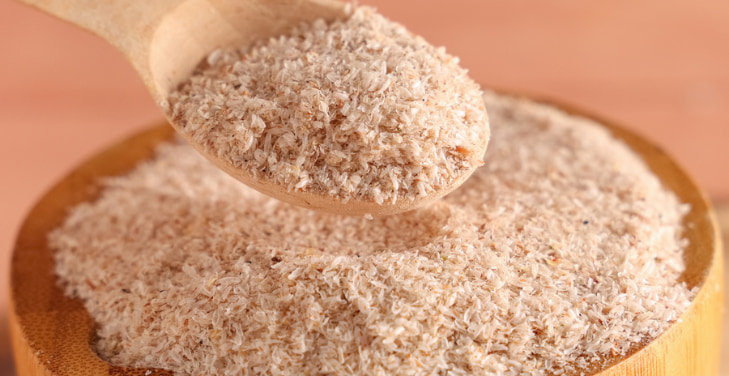
Recommended daily psyllium husk dosage for digestion, heart health, and weight support.
What Is Psyllium Husk and Why Does Daily Intake Matter
The digestive system functions efficiently when it receives sufficient soluble fiber daily. Psyllium husk provides a concentrated source of fiber that quickly transforms the intestinal environment, thereby establishing a stable physiological balance and supporting many important bodily functions.
Natural Source of Soluble Fiber
Psyllium husk is extracted from the husks of Plantago ovata seeds and contains a high content of soluble fiber. Upon entering the body, it strongly absorbs water and forms a thick gel, helping to regulate the flow of food through the intestines.
Digestive Regulation Mechanism
The formed gel increases stool volume and stimulates bowel movements. Regular elimination occurs, and the intestinal environment becomes favorable for the growth of beneficial bacteria.
Why Daily Intake Matters
Daily supplementation with psyllium husk maintains stable blood sugar levels and supports cholesterol control. A smooth digestive process contributes to improved cardiovascular health and optimized energy metabolism.
How Much Psyllium Husk Per Day Is Recommended
The dosage of psyllium husk directly affects the effectiveness of digestion and metabolism in the body. The appropriate dosage optimizes gel formation, regulates bowel movements, and maintains a stable physiological balance over time.
Standard Daily Dosage Range
Adults typically use about 5–10 grams of psyllium husk per day, divided into 1–2 doses. This level provides sufficient soluble fiber to support digestion while maintaining the necessary intestinal viscosity.
Beginner vs. Regular Intake
Beginners should start with 3–5 grams per day to allow the body to gradually adapt. After the adaptation period, the dosage should be increased to the standard level to enhance bowel cleansing and stabilize digestive function.
Capsules vs. Powder Dosage
The powder form offers strong water absorption and faster action. The capsule form provides precise dosing, making it convenient to maintain a regular daily routine.
Dosage Based on Health Goals
Each health goal requires a specific psyllium husk dosage strategy. When adjusted to the body's needs, the physiological effects are evident across digestive function, metabolic control, and weight management.
For Constipation Relief
A dose of 5–10 grams per day promotes bowel motility and increases stool volume. The gel effectively retains water, helping the elimination process proceed smoothly and regularly in line with the natural circadian rhythm.
For Cholesterol Management
Approximately 7–10 grams of psyllium husk per day helps reduce cholesterol absorption in the intestines. Soluble fiber binds to bile acids, thereby helping maintain stable blood lipid levels and improving cardiovascular health.
For Weight Management
A dose of 5–7 grams before meals creates a noticeable feeling of fullness. The fiber gel slows down digestion, helping to control portion sizes and maintain stable energy throughout the day.
For Blood Sugar Support
Approximately 5–10 grams per day helps slow glucose absorption. Blood sugar levels remain more stable, thereby supporting metabolic control and increasing energy utilization efficiency.
Starting Dose vs. Maximum Safe Intake
Determining the starting dose and safe limits of psyllium husk helps the body adapt effectively and maintain a stable digestive state. By controlling these two thresholds well, the gut functions smoothly, optimizing long-term benefits.
Recommended Starting Dose
A starting dose of 3–5 grams per day allows the digestive system to gradually adapt. Increasing fiber intake in stages helps the intestines regulate peristalsis and improve waste processing.
Gradual Dose Adjustment
After a few days of use, the dose is increased to 5–10 grams per day for noticeable results. Gradual dose increases help the body better absorb the product and maintain stable digestive function.
Maximum Safe Intake
The usual maximum dose is 10-15 g/day, divided into multiple doses. This limit ensures efficient gel formation while maintaining gut fluid balance and supporting overall metabolic function.
Best Time to Take Psyllium Husk
The timing of psyllium husk consumption directly affects absorption efficiency and digestive regulation. Choosing the right time allows the body to maximize the fiber's gel-forming ability, thereby establishing a stable digestive rhythm and supporting efficient energy metabolism.
Before Meals for Appetite Control
Using psyllium husk approximately 15–30 minutes before meals creates a noticeable feeling of fullness. The gel formed in the stomach slows down emptying, thus supporting portion control and maintaining stable energy levels.
Morning Intake for Digestive Activation
Using it in the morning activates the digestive system after a long night's rest. Increased bowel motility and rhythmic elimination create a foundation for digestion throughout the day.
Evening Use for Regularity
Using it in the evening prepares the digestive system for the elimination cycle the following morning. Maintaining a stable bowel rhythm supports regular bowel habits and enhances the effectiveness of natural cleansing.
How to Take Psyllium Husk Properly
The way you use psyllium husk determines its effectiveness in your body. When used correctly, this soluble fiber quickly forms a stable gel, supporting smooth digestion and optimizing physiological efficiency.
Mixing with Water Correctly
Psyllium husk dissolves well in water when stirred immediately after adding it. The solution should be drunk immediately to ensure optimal viscosity and support bowel movement.
Adjustable Hydration Intake
The body needs sufficient water intake when using psyllium husk. Adequate water helps the fiber gel develop fully, increasing the effectiveness of softening stool and promoting regular bowel movements.
Consistent Daily Routine
Using psyllium husk at the same time each day creates a stable routine for the digestive system. The circadian rhythm is strengthened, thereby improving absorption efficiency and maintaining long-term intestinal balance.
Potential Side Effects and How to Avoid Them
The body reacts noticeably when soluble fiber levels increase rapidly over a short period. Psyllium husk significantly alters the intestinal environment, leading to several characteristic physiological manifestations when use is not optimized.
Digestive Discomfort and Bloating
Psyllium husk increases the volume and viscosity in the intestinal lumen, thus creating a feeling of bloating and gas. This occurs when the microbiome adapts to the new fiber source, leading to more vigorous fermentation.
Improper Intake Risks
Using psyllium husk with low water content can make the gel thicker in the esophagus and stomach. This texture impedes the fiber mass's natural movement, resulting in noticeable discomfort.
How to Minimize Side Effects
Increasing the dose of psyllium husk gradually helps the body adapt and stabilize. Drinking enough water and maintaining a regular daily routine help the digestive system function smoothly and minimize unpleasant reactions.
Who Should Adjust or Avoid Psyllium Husk
The body's need for and response to psyllium husk vary depending on health conditions and individual characteristics. Adjusting the dosage appropriately helps maintain stable physiological efficacy and ensures smooth digestive function in each specific situation.
Individuals with Digestive Conditions
Individuals with digestive disorders such as irritable bowel syndrome or inflammatory bowel disease need to adjust their psyllium husk dosage according to their tolerance level. The gut is sensitive to changes in fiber intake, so increasing the dose gradually helps maintain balance.
People Taking Medications
Psyllium husk affects the rate of drug absorption in the intestines. Using it at different times from other medications helps ensure therapeutic efficacy and maintain stable concentrations of the active ingredient in the body.
Elderly and Special Populations
Elderly people and children require dosages appropriate to their physical condition. The digestive systems in these groups respond significantly to changes in fiber intake, monitoring and adjusting the dose helps optimize efficacy and maintain long-term stability.
Powder vs. Capsules: Which Form Is Better for Daily Use
The choice of psyllium husk form directly impacts the user experience and physiological effectiveness. Each form has its own characteristics regarding gel formation speed, convenience, and dosage control, thus shaping how the body absorbs fiber each day.
Powder Absorption and Effectiveness
Powder dissolves quickly in water, forming a gel almost immediately. Its strong swelling ability increases stool volume and significantly promotes bowel movements, thereby supporting smooth and stable digestion.
Capsule Convenience and Precision
Capsule form provides precise dosages. Users can easily maintain a daily routine thanks to its convenience and portability in various situations.
Choosing Based on Lifestyle Needs
Those who prioritize quick results often choose the powder form to maximize its effect on the gut. Busy people turn to capsules to ensure consistency and control over dosage according to their personal schedules.
Tips for Consistent Daily Use
Consistency in psyllium husk use makes a significant difference in digestive and metabolic efficiency. Maintaining a routine establishes a consistent circadian rhythm, optimizing daily absorption and elimination.
Create a Fixed Daily Routine
Establishing a fixed time for use helps the digestive system function in a clear cycle. Psyllium husk works better when the body is accustomed to a stable schedule and maintains a regular peristaltic rhythm.
Pair with a Balanced Diet
Combining psyllium husk with a diet rich in natural fiber, such as green vegetables and whole grains, enhances overall effectiveness. This combination supports a thriving microbiome and improves overall digestive function.
Track Your Body Response
Monitoring your body's response helps adjust dosage precisely. Every small change in digestion, energy, and satiety provides crucial data for optimizing long-term effectiveness.
Conclusion
The appropriate dosage of psyllium husk provides a foundation for a stable and efficient digestive system. Maintaining consistent levels allows the body to maximize its gel-forming ability and regulate bowel movements.
Proper usage habits, combined with sufficient water and appropriate timing, promote noticeable benefits for digestion, cardiovascular health, and metabolism. Actively adjusting to the body's response optimizes long-term effectiveness.
Frequently Asked Questions (FAQs)
- Can I take psyllium husk every day? – Daily psyllium husk use supports digestive regularity and cholesterol balance when taken with appropriate dosage and consistency.
- How quickly does psyllium husk work? – Psyllium husk begins forming a gel shortly after ingestion, with effects on digestion and bowel movement typically noticeable within hours to a day.
- Should I take psyllium husk before or after meals? – Taking psyllium husk before meals supports satiety, while after meals helps regulate nutrient absorption and stabilize blood sugar levels.
- How much water should I drink with psyllium husk? – At least 240 ml of water per dose ensures proper gel formation, supports smooth intestinal movement, and enhances fiber effectiveness.
- Can psyllium husk help with weight loss? – Psyllium husk promotes fullness and reduces calorie intake, supporting steady energy levels and long-term weight management.
