
The need for fiber supplementation has increased significantly as digestive and metabolic disorders become more common. Consumers are actively seeking natural solutions to improve gut health and stabilize energy levels.
Psyllium husk has attracted attention for its gel-forming properties and its direct impact on the digestive system. Modern nutritional trends prioritize effective, easily digestible sources of soluble fiber that deliver noticeable results quickly.
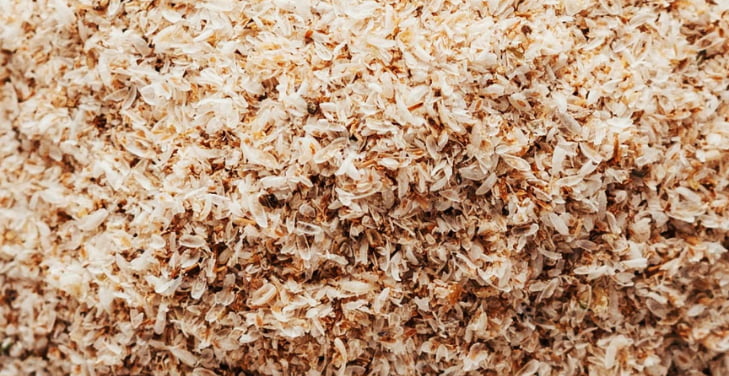
Psyllium husk dissolves into a gel-like fiber, supporting digestion and overall gut health
What Is Psyllium Husk?
A natural ingredient that can completely change how the digestive system functions when properly supplemented. Psyllium husk possesses strong water-absorbing properties, forming a gel and interacting directly with the intestinal environment. This effect underlies many applications in modern healthcare.
Botanical Origin
Psyllium husk is harvested from the outer shell of the seeds of the Plantago ovata tree. This tree thrives in hot, dry climates where it accumulates high levels of fiber. The seed shell contains soluble polysaccharides, which play a central role in its biological value.
Functional Properties
Upon contact with water, psyllium husk swells rapidly and forms a viscous gel. This gel increases intestinal volume, stimulating peristalsis and aiding elimination. This mechanism directly affects the digestive and metabolic systems.
Forms and Applications
Psyllium husk is commonly available as a fine powder, raw shell, or capsules. Mixing it with water or adding it to food makes it easier to integrate into the diet. This versatile use helps optimize daily fiber intake.
Understanding Soluble vs. Insoluble Fiber
The digestive system reacts differently to each type of fiber, creating distinct biological effects. Two main groups—soluble fiber and insoluble fiber—shape how food moves, is absorbed, and is eliminated. A clear distinction helps optimize nutrition and gut function.
Soluble Fiber Mechanism
Soluble fiber dissolves in water and forms a viscous gel in the intestines. This gel slows digestion, regulates glucose absorption, and helps control blood lipids. The gel environment also nourishes the gut microbiota, promoting a balance of beneficial bacteria.
Insoluble Fiber Function
Insoluble fiber retains its structure as it passes through the digestive system. It increases stool volume and stimulates strong bowel movements. This process speeds up waste transport and supports effective bowel cleansing.
Phytological Impact on the Body
The two types of fiber work together to create a comprehensive digestive support system. Soluble fiber impacts metabolism, while insoluble fiber promotes mechanical elimination. This balanced combination helps maintain a stable circadian rhythm and optimizes gut health.
Is Psyllium Husk a Soluble Fiber?
In the digestive environment, some types of fiber undergo pronounced structural transformations upon contact with water. Psyllium husk stands out for this characteristic, producing a strong, clearly directed biological effect in the gut.
Solubility Profile
Psyllium husk contains a high content of soluble fiber, primarily polysaccharides with high water-absorbing capacity. When dissolved, it forms a viscous gel that coats the intestinal mucosa and directly participates in the digestive process.
Gel-Forming Action
The gel-forming ability of psyllium husk is central to its function. The gel slows the movement of food while maintaining stable moisture levels in the intestine. This mechanism supports blood sugar control and improves stool softness.
Dual Fiber Characteristics
Psyllium husk exhibits additional properties of an insoluble fiber, increasing stool bulk. This combination creates a dual effect: it both regulates metabolism and promotes elimination. This makes psyllium husk a comprehensive source of fiber in modern nutrition.
How Psyllium Husk Works in the Body
Upon entering the digestive system, a series of biological reactions occurs with considerable intensity. Psyllium husk interacts directly with water, the intestinal mucosa, and the microbiome, creating multiple layers of simultaneous action. The body responds quickly to changes in viscosity and volume within the intestinal lumen.
Water Absorption and Expansion
Psyllium husk strongly absorbs water and swells rapidly. Its volume increases significantly, creating physiological pressure on the intestinal wall. This process stimulates peristalsis and promotes the transport of waste.
Gel Formation and Nutrient Modulation
The gel layer forms, enveloping food in the small intestine. This structure regulates the rate of glucose and lipid absorption, helping to maintain stable energy levels. The viscous environment also supports the activity of beneficial bacteria.
Transit and Elimination Support
The gel mass travels through the large intestine and helps retain moisture in the stool. The stool becomes softer and more uniform in texture, facilitating smooth elimination. This effect helps establish a regular, consistent bowel movement pattern.
Key Health Benefits of Psyllium Husk
Many body systems respond positively when soluble fiber levels are increased appropriately. Psyllium husk activates a range of biological mechanisms involved in digestion, metabolism, and energy regulation. The effects are evident in the steady changes in internal functions.
Digestive Health Support
Psyllium husk improves bowel motility by increasing stool volume and moisture. The gel mass facilitates smooth bowel movements, leaving you feeling light and comfortable after each.
Cholesterol Regulation
The gel in the intestines binds bile acids, helping eliminate excess cholesterol. The liver responds by using blood cholesterol to resynthesize bile acids, thereby helping to balance blood lipids.
Blood Sugar Control
Psyllium husk slows glucose absorption in the small intestine. Blood sugar levels rise more steadily after meals, helping to maintain consistent energy levels and limit sudden fluctuations.
Psyllium Husk vs. Other Fiber Sources
Not all types of fiber produce the same biological effects in the body. The difference lies in solubility, viscosity, and how they interact with the digestive system. Psyllium husk exhibits unique characteristics, defining its prominent role in the fiber-rich food group.
Comparison with Oat and Chia Fiber
Oat and chia seeds provide soluble fiber along with additional nutrients such as protein and healthy fats. Psyllium husk primarily focuses on its gelling properties and its role in digestive regulation. The viscous effect of psyllium is more pronounced and occurs more quickly in a watery environment.
Difference from Wheat Bran
Wheat bran mainly contains insoluble fiber, which promotes bowel movements through mechanical action. Psyllium husk has a deeper impact on absorption and metabolism due to its gel structure. This provides a multi-layered effect in the digestive system.
Unique Functional Advantage
Psyllium husk combines strong gelling ability with a stool volume-enhancing effect. This versatility allows it to adapt to a variety of health goals, from digestion to the control of energy metabolism.
How to Use Psyllium Husk Effectively
The effectiveness of fiber depends heavily on how it's used and when it's supplemented. Psyllium husk maximizes its benefits when used at the correct dose, in the right way, and in accordance with the body's circadian rhythm. Consistency makes a significant difference in results.
Proper Dosage and Timing
Users should start with a small dose, then gradually increase it as their digestive system adapts. Using it in the morning or before meals helps activate bowel movements and supports hunger control. Regular use creates a stable foundation for the digestive system.
Mixing and Consumption Method
Psyllium husk needs to be mixed with sufficient water to activate swelling. The mixture should be consumed immediately after stirring to ensure a consistent texture. Users can add it to smoothies or soft foods for added convenience.
Hydration and Consistency
The body needs sufficient water for psyllium husk to function effectively. Water supports gel formation and maintains stool softness. A habit of drinking enough water daily optimizes the entire mechanism of action of this fiber.
Potential Side Effects and Precautions
The body reacts noticeably to a rapid increase in fiber intake over a short period. Psyllium husk offers numerous biological benefits by activating several adaptive responses in the digestive system and throughout the body. Understanding these responses helps to better manage the user experience.
Digestive Reactions
Psyllium husk increases intestinal volume, leading to a feeling of fullness or mild bloating in the initial stages. Increased bowel motility results in changes in bowel frequency. The digestive system gradually adjusts and stabilizes with regular use.
Hydration Sensitivity
The strong water-absorbing capacity of psyllium husk makes it highly dependent on the presence of water. Adequate water helps the gel form smoothly and supports its movement through the intestines. Maintaining fluid balance optimizes effectiveness and creates a feeling of well-being.
Population Considerations
Individuals needing blood sugar or cholesterol control often respond positively to psyllium husk. Beginners should adjust their dosage according to their body's adaptation. Individual monitoring helps maintain efficacy and ensure long-term safety.
Who Can Benefit Most from Psyllium Husk
The need for fiber increases in many different health situations, especially when the digestive and metabolic systems require active support. Psyllium husk flexibly addresses the needs of many groups of people by regulating the gut environment and stabilizing biological markers.
Individuals with Digestive Irregularity
Individuals experiencing irregular bowel movements see significant improvement with psyllium husk supplementation. The gel mass provides moisture and increases stool volume, helping to establish a regular bowel rhythm. A feeling of lightness in the stomach is clearly noticeable after consistent use.
People Managing Metabolic Health
Those concerned about blood sugar and cholesterol levels effectively utilize psyllium husk's mechanism of slowing absorption and lipid binding. The body maintains stable energy levels and supports lipid balance in the blood through elimination.
Low-Fiber Diet Groups
Diets lacking fiber lead to inefficient digestive system function. Psyllium husk supplements provide essential soluble fiber, helping to improve meal structure and enhance overall digestive quality.
Conclusion
Psyllium husk has established itself as a source of soluble fiber with profound effects on the digestive and metabolic systems. The body responds positively through improved bowel motility, blood sugar control, and lipid balance.
Proper use produces noticeable and lasting effects. Regular supplementation combined with sufficient water helps optimize all biological benefits.
A simple, powerful choice suitable for many modern health needs.
Frequently Asked Questions (FAQs)
- Is psyllium husk truly a soluble fiber? – Psyllium husk is a soluble fiber that absorbs water to form a gel, supporting digestion, slowing nutrient absorption, and promoting a balanced gut microbiome.
- Can psyllium husk be used daily? – Daily use supports digestive regularity when taken with adequate water and appropriate dosage, helping maintain a stable gut routine.
- How does psyllium husk help lower cholesterol? – Psyllium husk binds bile acids in the gut, promoting cholesterol excretion and supporting improved lipid balance.
- Does psyllium husk help control blood sugar? – The gel formed by psyllium husk slows glucose absorption, supporting steadier blood sugar levels and more consistent energy.
- When is the best time of day to take psyllium husk? – Morning or before meals supports digestion and satiety, with consistent timing helping maintain long-term effectiveness.
