
Radiofrequency ablation is reshaping the management of chronic pain with a precise, concise, and clinically impactful approach. This method directly targets the source of pain signals, opening up opportunities for significant rehabilitation and improved quality of life.
The appeal of this procedure stems from its proven effectiveness, relatively quick procedure time, and ability to integrate into individualized treatment plans. By understanding the advantages, limitations, and associated risks, patients make treatment decisions with greater confidence.
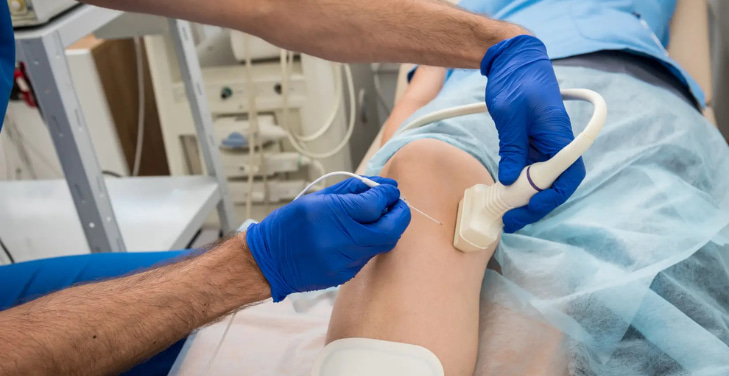
Radiofrequency ablation treats targeted pain areas by disrupting nerve signals with heat.
What Is Radiofrequency Ablation?
Radiofrequency ablation is an interventional technique that uses radiofrequency energy to generate controlled heat at a very precise location in the body. This method is commonly used to treat chronic pain, especially when the pain originates from small nerves around the spine, joints, or specific tissue areas.
How the Treatment Works
The doctor inserts a specialized needle into the target area under image guidance. Radiofrequency energy passes through the needle tip, generating heat in the identified nerve tissue. This heat disrupts pain-signal pathways, thereby reducing pain sensation and improving mobility.
Common Medical Uses
Radiofrequency ablation is commonly applied to neck pain, back pain, sacroiliac joint pain, pain from facet joint degeneration, and some cardiovascular arrhythmias. Each indication is based on a clear clinical assessment and the lesion's specific location.
Why It Matters
This technique offers a precise, concise, and focused approach to the source of symptoms. Many people choose this method to better manage pain, improve their quality of life, and maintain more stable daily activities.
Who May Be a Good Candidate for Radiofrequency Ablation?
Radiofrequency ablation is suitable for a very specific group of patients whose pain has a clear location, mechanism, and duration. When the right candidates are selected, this technique opens up a sharp, practical, and clinically valuable approach to symptom control in long-term treatment planning.
Clinical Profiles That Often Fit
Suitable candidates are often those with neck pain, lower back pain, sacroiliac joint pain, or facet joint pain lasting for months. This group typically describes localized, recurring pain that increases with rotation, extension, or changes in posture. Physicians usually identify them through a clear medical history, thorough physical examination, and appropriate imaging.
Signs of Stronger Treatment Potential
Individuals who respond well to a diagnosed nerve block often have a higher prognosis for radiofrequency ablation. Pain relief following this exploratory step indicates that the pain signal originates from the target nerve region. At that point, the indications become more stringent, the treatment direction becomes clearer, and the potential for improving daily function becomes more promising.
How the Procedure Is Performed
The radiofrequency ablation procedure is performed in a precise, step-by-step manner, aiming for highly accurate control of the intervention site and targeted therapeutic impact on the painful area. The entire procedure is usually relatively short, but each step requires concentration, clinical experience, and clear image guidance.
Pre-Procedure Preparation
The doctor reviews symptoms, examination results, diagnostic films, and the target pain area before beginning. The patient dons procedure attire, lies in the correct position, and is monitored for pulse, blood pressure, and respiratory rate throughout the procedure.
Imaging Guidance
The doctor uses fluoroscopy or ultrasound to determine a safe entry point. The guided images help the needle approach the nerve branch requiring treatment with high accuracy.
Target Confirmation
The doctor verifies the site using sensory and motor stimulation. This step helps to correctly identify the target structure and reinforce the reliability of the procedure.
Heat Delivery
After local anesthesia, the doctor delivers radiofrequency energy through the needle tip to create therapeutic heat. The heat acts on the target nerve, disrupting pain signals and helping to reduce symptoms over time.
Key Pros of Radiofrequency Ablation
Radiofrequency ablation has attracted significant attention in chronic pain management because it targets the pain pathway precisely and produces clear functional effects in many suitable cases. When properly indicated, the benefits of this procedure are very real, ranging from symptom reduction to increased mobility and restoration of daily life.
Targeted Pain Relief
Radiofrequency ablation targets the nerve branch that carries pain signals from the affected area. This approach provides direct, concise, and targeted pain relief. Many patients experience a gradual reduction in pain intensity after the procedure, allowing them to bend, twist, stand for prolonged periods, or walk with greater ease.
Minimally Invasive Convenience
The procedure is performed through a specialized needle, with a small entry point and close monitoring. Patients typically experience a short intervention, minimal disruption to their daily lives, and a quick return to their familiar routines. This factor enhances the practicality of outpatient treatment.
Functional and Medication Benefits
As pain subsides, the quality of movement often improves significantly. Patients sleep better, rehabilitation exercises are more effective, and they maintain more active daily activities. Many cases also reduce the need for long-term pain medication, thereby optimizing long-term care plans.
Main Cons of Radiofrequency Ablation
Radiofrequency ablation offers many clear benefits, but its limitations must also be fully considered to ensure that treatment decisions are well-thought-out, practical, and clinically sound. The value of the procedure lies in selecting the right person, the right location of pain, and the right treatment expectations.
Temporary Discomfort and Variable Relief
After the procedure, some people experience mild soreness, burning, tightness, or increased pain in the treated area for the first few days. This sensation makes the recovery experience less pleasant, especially when the treated area is near the spine or frequently used joints. The degree of pain relief also varies from person to person, as pain mechanisms, tissue damage levels, and nerve responses are highly individual.
Limited Duration and Repeat Procedures
The effects of radiofrequency ablation usually last for a certain period, after which nerve fibers may regenerate and pain signals reappear. When that happens, the doctor will consider repeating the procedure as part of a long-term pain management plan. This increases costs, the number of interventions, and requires closer medical monitoring.
Potential Risks and Side Effects
Radiofrequency ablation requires high precision, as it directly affects nerve structures and surrounding tissues using controlled thermal energy. A thorough risk assessment from the outset allows patients to better understand the post-procedure course, correctly identify their body's reactions, and be more proactive in monitoring their health.
Common Short-Term Reactions
Some reactions appear relatively early after the procedure, such as pain at the needle puncture site, mild burning sensation, localized swelling, or transient numbness. These manifestations reflect the tissue response in the treated area and are usually evident within the first few days.
Nerve-Related Symptoms
The heat applied to the target nerve sometimes produces tingling, increased sensitivity, or pain radiating along the associated nerve pathway. If these symptoms persist, the doctor will reassess the treatment site and the level of nerve response.
Procedure-Associated Complications
Minor bleeding, soft tissue irritation, and infection at the intervention site are complications to watch for. Each factor is directly related to aseptic technique, surgical skill, and patient characteristics.
Why Monitoring Matters
Close post-procedure monitoring helps detect abnormalities early, optimize recovery care, and ensure the treatment outcome stays on track with clinical outcomes.
How Long Do Results Usually Last?
The effects of radiofrequency ablation usually last long enough for patients to notice changes in mobility, sleep, and quality of life. However, the duration of the results is always linked to the pain mechanism, the treatment site, the extent of damage, and the ability of nerve fibers to regenerate after intervention.
Typical Duration of Relief
Many cases report significant pain relief within 6 to 12 months, sometimes longer, when the pain area is well localized and responds strongly to treatment. This timeframe creates a valuable recovery window, allowing patients to become more active and participate in rehabilitation programs more effectively.
Factors That Influence Longevity
The duration of results is influenced by the cause of pain, the accuracy of target nerve selection, the degree of inflammation in the periarticular tissue, and daily activity habits. Individuals with a clear diagnosis and a good response to the diagnosed block usually achieve more lasting results.
When Repeat Treatment Makes Sense
As nerve regeneration occurs and pain signals return, a doctor may consider repeating the procedure as part of a long-term pain management strategy. This decision is based on previous pain relief levels, current functional status, and individual treatment goals.
Recovery and Aftercare Tips
The recovery phase after radiofrequency ablation is crucial for consolidating treatment results and restoring the body to a stable rhythm of movement. With proper care, patients often experience a smoother, clearer recovery, creating a strong foundation for long-lasting pain relief during daily activities.
What to Expect in the First Days
In the first 24 to 72 hours, the treated area may experience mild soreness, burning, or discomfort. Patients should prioritize rest, maintain a routine, and closely monitor their body's sensations. Pain sensations usually gradually improve, leading to a more comfortable phase as the tissue stabilizes.
Smart Aftercare Habits
Patients should keep the treatment area clean, engage in gentle exercise, drink plenty of water, and gradually return to daily activities. Short walks, moderate stretching, and adherence to medical instructions help the body adapt better. If fever, widespread swelling and redness, significantly increased pain, or noticeable muscle weakness occur, contacting a doctor immediately will help manage the situation promptly and accurately.
Radiofrequency Ablation vs. Other Pain Treatments
Radiofrequency ablation holds a unique position in pain management because it focuses on the source of the pain signal rather than merely providing short-term symptom relief. Compared with other familiar options, this technique offers a clearer, deeper understanding of the appropriate treatment approach for each individual.
Compared With Medications
Pain relievers provide rapid, convenient relief at many stages of symptom control. Radiofrequency ablation takes a more targeted approach, especially when pain is related to a clearly defined nerve branch. This option often supports strategies to reduce the burden of long-term medication use.
Compared With Steroid Injections
Steroid injections help reduce inflammation and alleviate pain in some acute or subacute phases. Radiofrequency ablation aims to disrupt the pain pathway at the target nerve and is therefore often considered when a longer-lasting effect is needed in localized chronic pain.
Compared With Physical Therapy
Physical therapy lays the foundation for restoring mobility, posture, and muscle strength. Radiofrequency ablation expands opportunities for more effective rehabilitation by reducing pain intensity, thereby enabling patients to participate more actively in functional rehabilitation.
Compared With Surgery
Surgery is suitable for situations with significant structural damage and more in-depth intervention goals. Radiofrequency ablation is well-suited for many chronic pain cases requiring precise, concise, and practical control within a personalized treatment plan.
Conclusion
Radiofrequency ablation opens up a precise, modern, and highly practical approach to pain management for many localized chronic pain conditions. When physicians correctly identify the source of pain and select the right candidate, this procedure can lead to significant improvements in mobility, sleep, and quality of life.
Each treatment decision becomes more sound when patients thoroughly understand the benefits, risks, duration of results, and post-procedure care plan. A proactive, individualized approach closely aligned with clinical assessment always provides a strong foundation for long-term effectiveness.
Frequently Asked Questions (FAQs)
- Is radiofrequency ablation painful? – During the procedure, the doctor uses local anesthesia, so pain is usually mild and short-lived. After the procedure, some people experience mild soreness, burning, or tightness in the treated area for the first few days.
- How long does the effect of radiofrequency ablation last? – Many people maintain pain relief for about 6 to 12 months. Some cases achieve longer durations when the source of pain is clearly localized, the treatment is accurate, and a regular post-procedure rehabilitation program is followed.
- Who is usually suitable for radiofrequency ablation? – Patients with neck, back, sacroiliac joint, or facet joint pain are generally more suitable when the source of pain is clearly identified. Good results after a diagnosed nerve block also reinforce the value of this treatment option.
- What care is needed after radiofrequency ablation? – Patients should rest as much as possible, keep the treated area clean, engage in light exercise, and drink plenty of fluids in the first few days. Closely monitoring for pain, swelling, redness, or changes in muscle strength will help support a stable recovery.
- Does radiofrequency ablation need to be repeated? – The targeted nerve can regenerate over time, so pain may return months later. If a patient responded well to the previous procedure, the doctor may include radiofrequency ablation in a future treatment plan.
