
Astaxanthin has generated significant interest in the field of antioxidant and cellular health optimization. This red pigment molecule directly impacts oxidative balance, athletic performance, and skin appearance. The nutritional supplement market is growing rapidly and attracting great interest.
Scientific facts, clinical data, and practical usage shape a clear understanding of this active ingredient. Correct understanding leads to informed choices and the maximization of its long-term biological value.
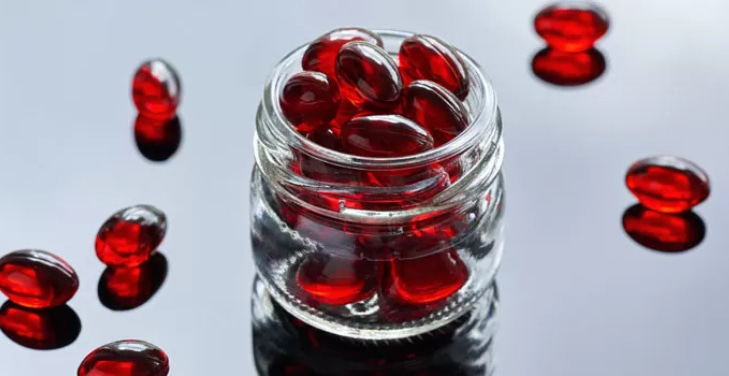
Astaxanthin has research-backed benefits, but marketing claims can exaggerate its effects.
What Is Astaxanthin and Why the Buzz?
Astaxanthin is frequently discussed in relation to antioxidants, physical performance, and skincare. Its distinctive orange-red color has captivated both researchers and the supplement market. This surge in interest is fueled by molecular biology data, the trend of beauty from within, and the need to optimize cellular health.
A Unique Marine Carotenoid
Astaxanthin belongs to a group of fat-soluble carotenoids produced naturally by the microalgae Haematococcus pluvialis. This molecule accumulates in salmon, shrimp, and shellfish, contributing to their vibrant color and potent biological activity. Its molecular structure allows astaxanthin to bind to cell membranes, supporting membrane stability and regulating oxidative reactions.
Why It’s Trending in Supplements
The supplement market has seen high demand for this powerful antioxidant and restorative agent. Astaxanthin is associated with sustained energy, radiant skin, and eye protection. Small- and medium-scale clinical studies reinforce consumer confidence. Modern marketing strategies boost brand awareness and spread rapidly globally.
Why Some People Think Astaxanthin Is a Scam
Astaxanthin generated a strong wave of interest in the health community, while simultaneously sparking skepticism among knowledgeable consumers. The supplement market grew rapidly, advertising was abundant, and expectations of immediate results fueled heated debate.
Influencer Hype and Viral Claims
Many advertising campaigns used striking conversion imagery and emotionally charged personal stories. Content spread rapidly on social media, creating high expectations. Followers received constant information and formed strong opinions about its multi-purpose effects.
Overpromised Health Outcomes
Some advertising messages attributed astaxanthin to comprehensive support for skin, eyes, and physical performance. Marketing language emphasized noticeable results in a short time. Consumers were exposed to a lot of information and expected significant improvements.
Skepticism from Supplement Fatigue
Modern consumers are exposed to numerous antioxidant products and similar marketing campaigns. Personal experiences with past supplement trends shape a cautious mindset. A highly competitive market and abundant information drive more rigorous evaluations.
What the Science Actually Says
Research on astaxanthin has grown rapidly in the last two decades, building an increasingly substantial database. Clinical trials, biochemical analyses, and observations in adults provide concrete insights into its antioxidant activity, its effects on the inflammatory response, and its role in physical recovery. Scientific evidence shapes realistic expectations and helps to correctly interpret the biological role of this compound.
Clinical Findings on Oxidative Stress
Numerous intervention trials have shown that astaxanthin helps reduce markers of oxidative stress in plasma and muscle tissue. Its free radical neutralizing activity is evident in lipid peroxidation levels and cell membrane damage. Participants maintaining a stable supplemental dose have shown improved endogenous oxidative status.
Inflammation and Recovery Data
Several studies in athletes and regularly active individuals have shown that astaxanthin supports the regulation of inflammatory cytokines and accelerates recovery after high-intensity exercise. Indicators such as CRP and IL-6 decrease with regular use. Muscle fatigue is reduced, and athletic performance remains stable.
Claimed Benefits vs. Evidence-Based Benefits
Astaxanthin entered the market with a host of attractive promises. Consumers accessed information from multiple sources, ranging from scientific research to emotionally charged advertising messages. The difference between claimed benefits and proven benefits created a significant perception gap.
Marketing-Driven Claims
Some brands linked astaxanthin to overall rejuvenation, superior endurance, and rapid vision improvement. Advertising messages used strong language, emphasizing outstanding results and noticeable changes. Visual imagery and personal testimonials amplified expectations.
Evidence from Clinical Research
Clinical trials focused on oxidative stress, low-level inflammation, and post-exercise muscle recovery. Data showed that astaxanthin reduced oxidative markers and improved several biological parameters. The effects appeared to be consistent with specific dosages and durations of use.
Realistic Outcome Expectations
Users clearly benefit when they understand the true scope of biological impact. Astaxanthin acts as a potent antioxidant in cell membranes and the circulatory system. Expectations grounded in scientific evidence help guide informed, sustainable choices.
Potential Benefits of Astaxanthin
Astaxanthin has numerous notable biological effects on the skin, eyes, and muscles. This carotenoid molecule participates in the endogenous antioxidant network, supporting the balance of inflammatory responses and maintaining cellular performance. Research into its applications is rapidly expanding in the fields of physical fitness and beauty care from within.
Skin Health and UV Support
Astaxanthin accumulates in the epidermis and subcutaneous fat, helping to stabilize cell membranes against oxidative stress caused by light. Regular supplementation contributes to increased skin hydration, improved elasticity, and support for brighter skin pigmentation. Indicators of UV damage decrease with continuous use.
Eye and Vision Support
Astaxanthin enters the ocular circulation and supports retinal microcirculation. Users report feeling comfortable working with high-intensity screens. Eye strain indices are reduced, and contrast sensitivity is improved in some intervention studies.
Exercise Recovery and Oxidative Balance
Astaxanthin helps regulate free radicals generated during high-intensity exercise. Exercisers maintain consistent endurance and experience faster muscle recovery. Oxidative stress and inflammation levels gradually decrease with consistent supplementation.
Limitations and Gaps in Research
Research on astaxanthin is rapidly developing and generating valuable data, while also raising many scientific questions that require deeper answers. Current clinical trials offer positive signals, but scope and methodology still need to be expanded to ensure long-term reliability.
Small and Specialized Study Populations
Many studies recruit healthy adult populations or specialized athletes. Small sample sizes generate detailed data in a narrow context. Other age groups, diverse health conditions, and broader clinical contexts require more data.
Dosage Variability Across Trials
Doses used in trials vary considerably, ranging from low to moderate levels over several weeks. Differences in astaxanthin source, formulation, and intervention duration create a diverse spectrum of outcomes. Standardizing doses and duration of use helps increase consistency in interpretation.
Long-Term Outcome Data Needs
Long-term studies with multi-year follow-up designs will clarify the cumulative impact on cellular health and organ function. Long-term biological indicators, large population efficacy, and interactions with overall nutrition provide directions for further research.
Possible Side Effects and Safety Considerations
Astaxanthin is deeply involved in lipid metabolism and the endogenous antioxidant system, so its use should be based on a clear understanding of dosage and individual health context. Users are concerned about safety, tolerability, and biointeractions when supplementing long-term.
Digestive and Sensory Responses
Some people experience mild bloating, changes in stool color, or a slight increase in skin orange color at high doses. The body gradually adapts when maintaining a stable dose within the recommended range. The digestive system responds according to individual characteristics and dietary fat intake.
Dosage and Individual Factors
Common doses range from a few milligrams to over 10 milligrams per day, depending on the intended use. Body mass, activity level, and health status influence individual needs. Maintaining an appropriate dose optimizes bioavailability.
Medication and Health Context
Astaxanthin affects the immune system and lipid metabolism. Users who are monitoring blood pressure or blood lipids, or who are using immunosuppressant medications, should consult a healthcare professional. Their individual health context will guide safe and effective use.
How to Spot Quality Astaxanthin Supplements
The quality of astaxanthin directly determines its biological efficacy and long-term safety. Discerning consumers rely on the source of raw materials, manufacturing processes, and transparency of information to choose the right product. A diverse market offers a wide range of choices and requires careful evaluation.
Source and Extraction Clarity
Natural astaxanthin from the microalgae Haematococcus pluvialis provides a highly bioactive form. Reputable manufacturers clearly disclose the cultivation source, extraction method, and purity standards. Transparent information on the label helps identify the origin and quality.
Third-Party Testing and Certifications
Independent testing and certification confirm the active ingredient content, purity, and microbiological safety. International testing organizations provide clear certification marks. Test reports help users assess the reliability of the product batch.
Label Transparency and Formulation
Quality product labels accurately display the astaxanthin content in milligrams, the carrier oil, and the excipients. The stable formulation with fat enhances absorption. Dosage information, usage duration, and target audience recommendations provide clear guidance.
Conclusion
Astaxanthin holds a prominent position among carotenoids due to its potent antioxidant activity and multifaceted biological effects. Research data reinforces its role in supporting skin, eye, and physical recovery when used at the correct dosage. Users clearly benefit from access to scientific information and the selection of quality products.
Reasonable expectations lay the foundation for a positive experience. Smart choices, appropriate dosage, and monitoring of bodily responses optimize long-term effectiveness. Astaxanthin becomes a tool for sustainable health support in a holistic care strategy.
Frequently Asked Questions (FAQs)
- Is astaxanthin really effective, or is it just a trend? - Astaxanthin demonstrates strong antioxidant activity within cell membranes and plasma. Clinical research reports improvements in oxidative stress markers, muscle recovery, and skin support. Noticeable effects depend on appropriate dosing, consistent use, and alignment with individual health goals.
- How long does it take to feel the effects of astaxanthin? - Most users report noticeable changes after several weeks of consistent supplementation. Astaxanthin gradually accumulates in adipose tissue and cell membranes. The level of improvement depends on dosage, dietary fat intake, and daily physical activity intensity.
- Who is astaxanthin suitable for? - Astaxanthin is often chosen by adults concerned about skin health, eye function, and physical recovery. Athletes, individuals exposed to prolonged screen time, and those focusing on cellular antioxidant protection may benefit when using an appropriate dose consistently.
- When is the best time of day to take astaxanthin? - Astaxanthin is best absorbed when taken with a meal containing dietary fat. Morning or lunchtime supplementation can help maintain stable blood levels. Consistent daily timing supports optimal distribution and utilization.
- How to choose a quality astaxanthin product? - A quality astaxanthin product clearly identifies its microalgae source, precise dosage, and third-party testing certification. Oil-based formulations enhance absorption. Transparent labeling regarding batch number, manufacturing standards, and safety verification supports informed purchasing decisions.
