
Can a succulent leaf nourish the skin, aid digestion, and soothe the body every day? Aloe vera has been featured in numerous health and beauty rituals for thousands of years. This question opens the door to exploring the rich biological value of this extraordinary plant.
Modern consumers turn to aloe vera to build a balanced lifestyle. Fresh gel, juice, and extract products offer a refreshing, nutrient-rich experience suitable for a variety of body care goals.
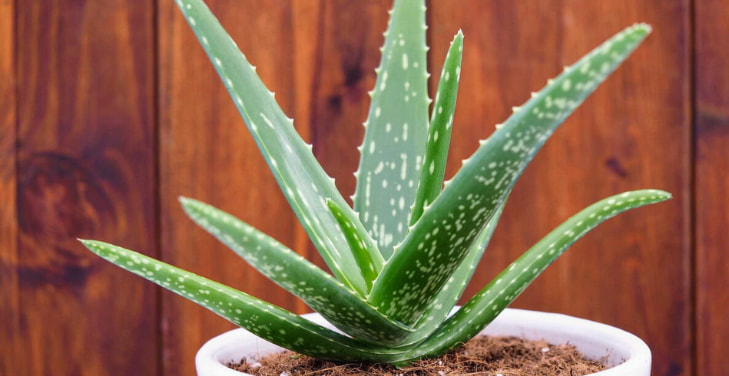
Aloe vera is a succulent plant valued for its soothing gel and wellness uses.
What Is Aloe Vera? Plant Origins and Definition
Aloe vera is widely recognized as a symbol of natural healing across many cultures. Its succulent leaves contain a cool, refreshing gel rich in bioactive compounds. Medicinal herb growers value this plant for its adaptability to hot, dry climates and its holistic health benefits.
Botanical Identity and Classification
Aloe vera belongs to the Asphodelaceae family, a group of succulent plants that thrive in subtropical regions. The plant forms dense clusters of leaves with serrated edges, storing a gel rich in polysaccharides. Compounds such as acemannan, enzymes, and vitamins contribute to its medicinal reputation. Researchers view aloe vera as a versatile bio-ingredient for skincare and digestive support.
Geographical Origins and Cultivation
Aloe vera originated in the Arabian Peninsula and spread throughout North Africa, the Mediterranean, and then Asia. Farmers cultivate the plant in well-drained soil with strong sunlight and stable temperatures. The plant grows vigorously, accumulating nutrients in its leaves, creating a source of fresh gel used in pharmaceuticals, cosmetics, and functional foods.
Historical Uses in Traditional Medicine and Skincare
Aloe vera is deeply rooted in the healing history of many civilizations. Ancient peoples valued its clear gel as a natural, nutrient-rich, and readily applicable body care product. Ancient records describe the use of fresh leaves in skin care rituals, wound protection, and nourishing healthy skin.
Ancient Healing Practices
Ancient Egyptian physicians used aloe vera gel to soothe skin and aid recovery after injury. Greek and Roman medicine recognized the value of the leaves in treating burns, moisturizing, and softening skin tissue. Traditional medical manuscripts in the Middle East and India mention aloe vera as a medicinal herb that aids digestion and balances the body.
Traditional Skincare Rituals
People in many tropical regions apply fresh gel to their skin to increase moisture and maintain a smooth skin surface. Traditional beauticians combine the gel with herbs to create face masks and hair care products, and to soothe skin after sun exposure. Aloe vera has become a familiar ingredient in personal care formulas, passed down through generations.
Aloe Vera Plant Structure: Gel, Latex, and Leaf Components
Aloe vera leaves contain a complex structure rich in bioactive compounds. Each tissue layer plays a specific role, creating a valuable resource for skincare and health support. The thick, succulent leaves store nutrients in hot, dry climates, making them well-suited for a wide range of applications.
Inner Gel Composition
The transparent gel at the center of the leaf is rich in polysaccharides, enzymes, and vitamins. This gel provides moisture, soothes the skin surface, and supports tissue regeneration. The bioactive compounds in the gel promote cell regeneration and maintain a balanced skin environment.
Aloe Latex Layer
The yellow latex layer near the leaf's outer layer contains anthraquinone and other potent active compounds. This component stimulates bowel movements and aids in the body's cleansing process. Users should carefully control the dosage and purpose when harvesting the latex.
Leaf Rind and Protective Tissues
The thick leaf rind protects the gel and latex from environmental damage. The outer fibrous tissue provides a strong structure, maintains internal moisture, and supports nutrient transport throughout the leaf.
Nutritional Profile and Key Bioactive Compounds
Aloe vera provides a multi-layered source of nutrients with a remarkable density of bioactive compounds. The fresh gel carries water, vitamins, and plant compounds that support the body's balance. The plant's nutritional structure comprises essential minerals and active molecules, providing the basis for many health care applications.
Vitamins and Minerals Content
Aloe vera gel contains vitamin C, vitamin E, vitamin A precursors, and B vitamins. Minerals such as calcium, magnesium, zinc, and potassium contribute to maintaining energy metabolism and stabilizing cellular systems. Its high water content helps the body absorb nutrients efficiently.
Polysaccharides and Enzymes
The polysaccharide acemannan plays a prominent role in supporting immunity and tissue repair. Natural enzymes participate in biodegradation, promoting digestive balance and supporting micronutrient absorption. These active molecules contribute to the functional value of aloe vera in modern nutrition.
Aloe Vera Benefits for Women
Women find many benefits for their body care from natural aloe vera gel. Its rich nutrient profile supports skin, hair, and the digestive system. Many are interested in the health benefits of aloe vera for women when building a daily personal care routine.
Skin Hydration and Radiance
Aloe vera gel deeply hydrates the skin, increasing softness and maintaining the natural protective barrier. Polysaccharides and vitamin C promote cell regeneration, helping skin become brighter, healthier, and more even-toned. Users apply a thin layer of gel after cleansing to increase elasticity and a feeling of freshness.
Hormonal Balance and Comfort
Aloe vera provides plant compounds that support homeostasis. The juice from the fresh gel helps soothe the digestive system and create a feeling of lightness during the menstrual cycle. Minerals and enzymes support energy metabolism, helping the body maintain a stable state.
Hair and Scalp Care
The fresh gel nourishes the scalp, increases moisture, and supports healthy hair follicles. Vitamins and enzymes create a clean environment, helping hair become shiny, smooth, and easy to style. Hair care professionals combine gel with vegetable oils to enhance its moisturizing effect.
Aloe Vera Benefits for Men
Men utilize aloe vera gel as a comprehensive body care aid. Its bioactive components support skin, muscles, and the digestive system. Many are interested in the benefits of aloe vera for men when building an active lifestyle and maintaining daily fitness.
Post-Workout Recovery and Muscle Comfort
Aloe vera gel provides a cooling sensation to muscles after strenuous exercise. Minerals and enzymes contribute to soft tissue recovery, maintaining flexibility and comfort. Those who exercise apply the gel to their skin for comfort and post-workout body care.
Skin Care and Shaving Support
The fresh gel soothes the skin surface after shaving, increasing moisture and reducing dryness. Vitamin E and polysaccharides help maintain healthy skin and support the recovery of areas subjected to friction. Men use the gel as a light moisturizer to keep skin soft and radiant.
Digestive and Metabolic Wellness
Aloe vera juice provides enzymes and micronutrients that support a smoothly functioning digestive system. Its bioactive components help the body absorb nutrients efficiently, maintaining energy and alertness throughout the day.
Popular Forms: Fresh Gel, Juice, Supplements, and Topicals
Aloe vera comes in many forms, each serving different care goals. Consumers choose fresh gel, juice, capsules, or topical products depending on their needs. This diversity creates a broad application ecosystem, from personal care to daily nutritional support.
Fresh Gel for Direct Application
Fresh gel extracted from the leaves provides instant hydration and a cooling sensation on the skin. Users apply it directly to the skin surface to increase softness and support recovery. Pure gel retains natural polysaccharides and enzymes, helping to maintain biological efficacy.
Aloe Vera Juice and Drinkable Forms
Aloe vera juice provides hydration and essential micronutrients. Users add it to their diet to support digestion and promote a sense of lightness in the body. Bottled beverage formulations retain the active ingredients and a refreshing flavor.
Topical Products and Supplements
Creams, serums, and masks containing aloe vera provide intensive skin care. Oral supplements and extract powders offer convenient forms for busy individuals, helping maintain a regular, flexible usage routine.
How to Use Aloe Vera Safely and Effectively
Aloe vera offers noticeable benefits when applied correctly and in the right dosage. Fresh gel and extract products work effectively when suited to individual skincare goals. A clear application process helps the body absorb nutrients and maintain balance.
Choosing Quality Sources
Users should choose fresh, thick, juicy leaves or products from reputable sources. A clear gel with a mild scent and a smooth texture reflects good quality. Product labels clearly show the extraction ratio and ingredients to ensure effectiveness.
Topical Application Techniques
Users should cleanse the skin before applying a thin layer of gel. The gel absorbs quickly, creating a cooling sensation and helping to maintain moisture. Repeating this process daily helps maintain healthy and soft skin.
Internal Use and Daily Intake
Aloe vera juice should be used in moderation as part of a balanced diet. It should be combined with light meals to aid digestion and hydration. Regular use provides consistent benefits to the body.
Potential Side Effects, Interactions, and Precautions
Aloe vera offers many health benefits when users understand the plant's biological properties. The gel and extracts contain potent active ingredients, so the body reacts noticeably with regular use. Many people are concerned about the risks of using aloe vera and are developing safe, reasonable usage habits.
Digestive Responses and Sensitivity
The latex in the leaves contains anthraquinone, which affects bowel motility. Strong digestive reactions occur with high doses. Users prefer products that have been processed to remove latex to maintain a comfortable, stable feeling.
Skin Reactions and Application Care
Sensitive skin reacts to fresh gel when applied directly over a large area. Users should test on a small area of skin before applying it to the whole body. This process helps determine compatibility and maintain skin balance.
Medication Interactions and Special Groups
Aloe vera extract affects the absorption of sugars and electrolytes. Patients taking blood glucose-metabolizing medications or diuretics should monitor their dosage carefully. Pregnant women and individuals with underlying medical conditions should consult a healthcare professional for appropriate dosage adjustments.
Aloe Vera Pros and Cons
Aloe vera has garnered significant attention in modern health and beauty care. Its rich bioactive components produce many noticeable effects on the skin and digestive system. Consumers often research the pros and cons of aloe vera to develop a rational usage habit that suits their personal needs and body care goals.
Key Benefits for Daily Wellness
Aloe vera gel provides deep hydration, supports skin surface restoration, and maintains elasticity. Polysaccharides and vitamins promote cell regeneration, resulting in brighter skin. The juice extracted from the gel contributes to hydration, supports smooth digestive function, and creates a feeling of lightness in the body.
Limitations and Considerations
The latex contains potent active ingredients that cause noticeable digestive reactions when used in high amounts. Sensitive skin reacts to fresh gel upon direct contact. Users should choose processed products, control dosage, and maintain a planned usage routine to optimize care effectiveness.
Conclusion
Aloe vera offers a rich source of active plant nutrients and versatile applications in body care. Fresh gel, juice, and extracts support skin health, the digestive system, and a healthy lifestyle.
Proper use optimizes the plant's biological value. Users should consistently choose quality ingredients, appropriate dosages, and a consistent care routine. Aloe vera becomes part of a balanced lifestyle, leading to sustainable health and a feeling of freshness every day.
Frequently Asked Questions (FAQs)
-
Can aloe vera be used daily for skin and digestion?
Aloe vera can be used every day when the dosage and product quality are properly controlled. The gel hydrates and soothes the skin, while aloe juice supports hydration and digestive comfort, helping the body maintain natural balance. -
What are the differences in effectiveness between fresh aloe vera gel and bottled products?
Fresh aloe gel delivers natural enzymes and polysaccharides for quick cooling and hydration. Bottled products are more convenient and consistent, offering longer shelf life and easier daily use depending on individual preferences. -
How does aloe vera support digestion?
Aloe vera contains enzymes and bioactive compounds that encourage gentle bowel function and better nutrient absorption. Regular use of aloe juice can help maintain digestive comfort and steady energy levels. -
Can aloe vera be applied directly to the face every day?
Yes. A thin layer of aloe vera gel applied after cleansing helps keep the skin moisturized and refreshed. Daily use supports softness, elasticity, and a calm, healthy complexion. -
Who should be cautious when using aloe vera in their health care regimen?
Individuals using blood sugar–related medications, pregnant women, and those with highly sensitive skin should take extra care. Monitoring reactions and selecting high-quality products help ensure safe and effective use.
