
Cat's claw has long attracted attention due to its reputation as a natural herbal remedy and its history of use in traditional medicine. Behind this familiar image lie layers of complex biological processes that directly impact the immune system, digestion, and homeostasis.
These stated benefits are accompanied by warning signs regarding safety. Approaching cat's claw from a medical perspective, the potential reactions, individual tolerance levels, and risks of drug interactions reveal a complex and challenging health picture.
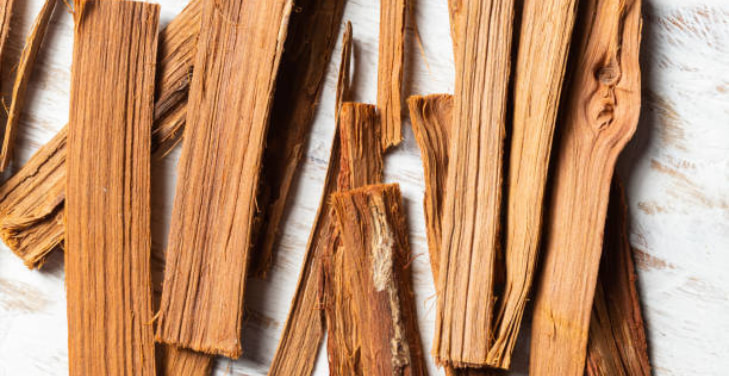
Cat’s claw may cause risks for certain users when taken improperly or long-term.
Safety Concerns Around Cat's Claw
Cat's claw has garnered significant attention due to its herbal origins and traditional applications. However, modern medical perspectives emphasize safety, particularly when the product is used at high doses or for extended periods. Understanding these safety concerns allows users to be more proactive in their health care.
Biological Activity and Potency
Cat's claw contains numerous alkaloids and potent bioactive compounds. These substances directly impact the immune system and inflammatory processes. Their high potency produces significant biological effects, while also requiring careful dose control.
Individual Response Variability
Each individual reacts differently to cat's claw. Genetic factors, underlying health conditions, and usage patterns determine tolerance levels. Individual differences result in diverse and unpredictable physiological responses.
Medical Oversight Importance
Using cat's claw under professional medical supervision ensures long-term safety. Assessing medical history and monitoring bodily responses provides a foundation for responsible herbal use.
Common Side Effects Reported With Cat's Claw
Cat's claw offers several notable biological effects but also has documented side effects in clinical practice and user experience. Early identification of common symptoms helps to make the usage process more proactive and safer.
Gastrointestinal Disturbances
Many users report gastrointestinal discomfort when using cat's claw. Common symptoms include nausea, bloating, and changes in bowel habits. This reaction is directly related to the effect of alkaloids on the intestinal mucosa.
Neurological and Systemic Responses
Some cases have experienced headaches, dizziness, and general fatigue. These reactions reflect the nervous system's adaptation to the strong biological activity of cat's claw, especially in the initial stages of use.
Skin and Sensory Changes
The skin may become more sensitive, accompanied by itching or mild rashes. These sensory changes indicate the body's reaction to the active compounds, requiring close monitoring to adjust the dosage accordingly.
Digestive Reactions and Sensitivity Issues
Cat's claw significantly impacts the digestive system due to its high content of bioactive compounds. In medical practice, digestive reactions and intestinal sensitivities often appear early, especially in individuals with sensitive constitutions or weak digestive systems. Identifying the reaction mechanism helps ensure the safe and controlled use of this herb.
Impact on Gastric Function
Cat's claw stimulates gastric activity and digestive fluid secretion. This stimulation increases feelings of gnawing, burning, and discomfort in the epigastric region in some users.
Intestinal Sensitivity Response
Alkaloid compounds directly affect intestinal motility. The intestines react more strongly, leading to changes in bowel rhythm and mild cramping sensations.
Microbiome Interaction
Cat's claw helps regulate the intestinal microbiome. Changes in the gut microbiota produce a pronounced adaptive response in the initial period of use.
Individual Digestive Tolerance
Each exhibits different levels of tolerance. Age, diet, and digestive history determine the intensity of the reaction to cat's claw exposure.
Effects on the Immune System
Cat's claw exerts a profound influence on the immune system through its characteristic bioactive compounds. In medicine, this herb is considered a potent immunomodulator, so understanding its effects is crucial for overall health and safety.
Immune Cell Activation
Cat's claw promotes the activity of leukocytes and macrophages. This activation increases the innate immune response, allowing the body to react more quickly and strongly to intrinsic biological signals.
Cytokine Regulation
The alkaloids in cat's claw directly affect cytokine production. The immune system exhibits a marked adjustment in response intensity, creating significant changes in the systemic inflammatory environment.
Immune Balance Sensitivity
The immune system maintains a dynamic equilibrium when exposed to cat's claw. Those with sensitive immune systems often report a more pronounced response, reflecting the profound impact of this herb on the body's natural defense mechanisms.
Potential Interactions With Medications
Cat's claw exhibits strong biological activity; its potential interactions with medications are of particular concern to medical professionals. In medical practice, the simultaneous use of this herb with conventional drugs produces significant physiological changes, directly affecting the effectiveness and safety of treatment regimens.
Interactions With Immunosuppressive Drugs
Cat's claw stimulates immune activity at multiple levels. When combined with immunosuppressive drugs, the body exhibits a marked adjustment in the immune response, altering the overall biological effects.
Effects on Anticoagulant and Blood Pressure Medications
The compounds in cat's claw affect circulation and inflammatory responses. This effect alters the body's response to anticoagulants and blood pressure medications, requiring close monitoring of vital signs.
Liver Enzyme Modulation
Cat's claw is involved in liver drug metabolism. Modulation of liver enzymes alters the rate of drug absorption and excretion, thereby directly affecting drug concentrations in the blood.
Risks for Autoimmune Conditions
Cat's claw directly impacts immune regulatory mechanisms; individuals with autoimmune diseases should be carefully considered when using this herb. In medical practice, enhanced immune responses play a central role in the risks associated with autoimmune conditions.
Immune Overactivation Pathways
Cat's claw promotes the activity of many key immune components. This stimulation increases endogenous inflammatory signaling and the intensity of the immune response, thereby significantly affecting the progression of existing autoimmune diseases.
Disease Activity Fluctuation
In individuals with autoimmune diseases, the immune system is already in a highly sensitive state. Cat's claw induces significant biological changes, leading to fluctuations in disease activity levels, including systemic symptoms and inflammatory responses at target organs. Close clinical monitoring helps to proactively and safely manage these responses.
Use During Pregnancy and Breastfeeding
Cat's claw raises several important considerations during pregnancy and breastfeeding due to its potent biological activity and potential systemic effects. In medicine, assessing the safety for both mother and child is always a top priority when approaching any herbal remedy.
Hormonal and Uterine Response
Cat's claw affects biological balance and endocrine signaling. These effects are directly related to uterine activity and the physiological environment during pregnancy, requiring extreme caution.
Placental and Fetal Exposure
The active compounds in cat's claw are systemically distributed. This process facilitates biological contact between the mother and the fetus, underscoring the importance of controlling the source of intake.
Breast Milk Transfer Considerations
During breastfeeding, cat's claw may affect the biological composition of breast milk. This change directly impacts the immature immune and digestive systems of newborns.
Long-Term Use and Dosage Concerns
Cat's claw is often used continuously to support long-term health. However, from a medical perspective, prolonged use and dosage control are crucial to overall safety. Its strong biological activity requires significant adaptation time for the body.
Cumulative Biological Effects
Long-term use of cat's claw leads to cumulative biological effects. The immune and digestive systems continuously respond to alkaloid compounds, leading to changes in physiological function over time.
Dosage Sensitivity Threshold
Dosage directly affects the intensity of the body's response. When the individual tolerance threshold is exceeded, cat's claw triggers pronounced systemic reactions, including fatigue and changes in circadian rhythms.
Adaptation and Monitoring Needs
The body develops adaptation mechanisms when exposed to cat's claw for extended periods. Regular monitoring helps assess the biological response, thereby adjusting the dosage to suit each stage of health.
Quality, Purity, and Supplement Variability
Cat's claw on the market is available in many supplement forms, with varying levels of quality and purity. From a medical perspective, these differences directly affect safety, bioavailability, and the risk of adverse reactions with long-term use.
Raw Material Sourcing
The origin of the raw material determines the content of active ingredients in cat's claw. Growing conditions, harvest time, and geographic region strongly influence the concentrations of alkaloids and key bioactive compounds.
Processing and Extraction Methods
The extraction process directly affects the product's purity. Modern processing methods create more stable preparations while better controlling the content of bioactive impurities.
Supplement Formulation Differences
Capsule, powder, and liquid extract forms have different absorption characteristics. The diversity of formulations leads to significant variations in physiological responses between products.
Contamination and Quality Control
A rigorous inspection process plays a key role in ensuring safety. Controlling heavy metals and microorganisms helps minimize potential health risks.
Conclusion
Cat's claw exhibits potent biological activity and multifaceted effects on various organ systems. The use of this herb requires a thorough understanding of safety, dosage, and individual health context.
Factors such as immune status, medications, and duration of use directly influence the body's response. A controlled approach to cat's claw maximizes benefits while maintaining long-term physiological stability.
Frequently Asked Questions (FAQs)
-
Does cat's claw cause any common side effects?
Some users may experience digestive discomfort, mild headaches, fatigue, or general body changes, especially when first starting cat's claw. -
Who should be cautious when using cat's claw?
People with immune sensitivity, autoimmune diseases, pregnancy, or breastfeeding should carefully evaluate use based on their individual health background. -
Does cat's claw interact with medications?
Cat's claw may affect immune response and medication metabolism, particularly when combined with immunosuppressive, blood-thinning, or heart-related drugs. -
Is long-term use of cat's claw safe?
Long-term use requires attention to dosage and regular monitoring to help maintain stability and minimize unwanted effects. -
How does the quality of cat's claw products affect safety?
Differences in sourcing, extraction, and quality control directly influence purity, effectiveness, and safety during continued use.
