
Boswellia is increasingly featured in health discussions due to its apparent biological effects. Nutritionists note that the plant's resin extract can directly influence inflammatory responses, digestion, and the immune system when used regularly.
Recent studies focusing on boswellic acid show that this active ingredient is deeply involved in cellular regulatory mechanisms. New scientific data reinforces the role of Boswellia, while also highlighting the need to understand potential side effects and safety warnings before supplementation.
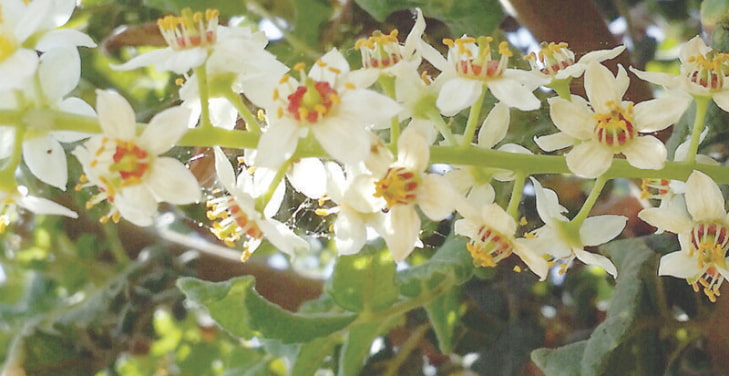
Boswellia may cause side effects and should be used with caution in certain people and health conditions.
What Is Boswellia and Why It Used
In the context of many people actively seeking herbal solutions for long-term health, natural extracts are gaining attention for their ability to support the body's adaptation to physiological stress. Boswellia has become a familiar choice in this group due to its long history of use and clear biological reactions when introduced into the body.
Botanical Source and Traditional Use
Boswellia serrata resin is harvested from the trunk of trees growing in arid climates. For thousands of years, indigenous people have used this resin in body care rituals and to maintain flexibility.
Key Bioactive Components
Boswellia contains boswellic acid, a group of highly bioactive compounds. These active ingredients directly regulate inflammation and support the balance of the immune response.
Common Wellness Applications
Many supplement formulations incorporate Boswellia into products for joint health, mobility, and respiratory health. Users are seeking comfort, flexibility, and a more stable lifestyle.
Growing Popularity in Supplements
Boswellia is widely featured in modern dietary supplements due to its clear origin and ease of integration into daily health care routines.
Common Boswellia Side Effects
When incorporating a herbal extract into your daily routine, your body often responds in various ways. Boswellia produces noticeable physiological reactions, especially in the initial stages of use or when the body is sensitive to concentrated plant-based active ingredients.
Mild Gastrointestinal Responses
Some people experience a mild burning sensation in the upper abdomen or changes in bowel movements. This reaction involves the interaction of boswellic acid with the digestive system and gastric juices, especially when taken with a high-fat meal.
Head Sensation and Body Awareness
Boswellia is sometimes accompanied by a transient feeling of heaviness in the head or heightened body awareness. This reflects the biological adjustment as the active compounds begin to act on the inflammatory system.
Skin and Sensory Changes
In some cases, the skin may feel warm or slightly itchy. This manifestation indicates that the immune system is responding to the natural resin-derived component.
These reactions often occur individually and reflect individual physiological adaptation.
Digestive-Related Reactions
The digestive system often reflects early on how the body responds to a new substance. When supplementing with concentrated herbal extracts, sensations in the stomach and intestines carry many notable physiological signals. Boswellia directly impacts the digestive environment through its bioactive compounds.
Stomach Sensation and Gastric Response
After use, some people experience a mild warming sensation in the stomach or a short-term feeling of fullness. This reaction concerns the activation of gastric juices and the interaction of boswellic acid with the digestive mucosa. The timing of use and individual digestive background significantly affect the level of sensation.
Bowel Activity and Digestive Rhythm
Boswellia may alter bowel contractions during the initial adjustment period. Some individuals report increased bowel motility and a more pronounced sensation of movement in the lower abdomen. These symptoms reflect the physiological adjustments the digestive system makes as it adapts to components derived from natural tree sap.
Allergic and Sensitivity Concerns
Allergic reactions and individual sensitivities often occur when the body comes into contact with highly active plant compounds. Boswellia is derived from tree resin, so the immune system in some people responds noticeably from the first few uses.
Immune System Activation
When boswellic acid enters the body, the immune system may activate its natural recognition mechanisms. This process creates a noticeable difference, especially in people with a predisposition to herb sensitivity.
Skin Reactions and Sensory Signals
The skin reflects early signs of sensitivity through mild itching, warmth, or tingling sensations. These signals indicate that the body is processing the bioactive compound derived from the tree resin.
Respiratory Awareness
Some people experience mild changes in the upper respiratory tract, including transient dryness or tightness. This reaction is related to the natural volatility of the compounds in Boswellia.
Individual Sensitivity Patterns
Each individual develops a unique response pattern to Boswellia. Genetic factors, allergy history, and the level of prior exposure to the herb significantly shape the intensity of the reaction.
Potential Drug Interactions
Combining herbs with conventional medicines produces significant biological changes in the body. Upon entering the bloodstream, Boswellia directly participates in metabolic processes, thereby providing potential for interaction with many groups of active substances commonly used in treatment.
Interaction With Anti-Inflammatory Medications
Boswellia acts on inflammatory pathways similar to those of some anti-inflammatory drugs. The simultaneous presence of these two groups of active substances enhances physiological responses in tissues and joints, creating noticeable changes in bodily sensations.
Influence on Blood-Thinning Agents
The compounds in Boswellia help regulate inflammatory responses and circulation. When used with blood-thinning agents, the body exhibits changes in circadian rhythms and overall sensations.
Effects on Liver Metabolism
The liver plays a central role in the metabolism of drugs and herbs. Boswellia affects liver enzyme activity, thereby regulating the rate of drug processing and the intensity of the physiological effects of concomitant medications.
Warnings for Specific Health Conditions
Some health conditions create a specific physiological environment, causing the body to react more strongly to herbal active ingredients. In this context, Boswellia warrants extra attention due to its direct impact on the body's internal regulatory systems.
Inflammatory and Autoimmune Conditions
Individuals with chronic inflammation or autoimmune disorders often possess a highly sensitive biological response. Boswellia activates inflammatory regulatory pathways, thereby producing noticeable changes in tissue, joint, and systemic immune responses.
Hormonal and Metabolic Disorders
Endocrine and metabolic disorders strongly affect how the body processes bioactive substances. Boswellia is involved in cellular regulatory mechanisms, thus impacting circadian rhythms, energy levels, and overall well-being in this group.
Accurately identifying one's health background enables a more proactive, personalized use of Boswellia.
Dosage - Related Risks and Overuse
Dosage directly shapes the physiological experience when supplementing with herbs. With active ingredients of pronounced biointensity, adjusting the amount used is central to daily bodily sensations. Boswellia responds strongly when boswellic acid levels increase in circulation.
Absorption and Systemic Load
At high doses, rapid absorption causes significant metabolic stress. The body registers a spreading warmth sensation and changes in overall circadian rhythms.
Digestive Threshold Awareness
The digestive system reflects early on the level of Boswellia absorption. The stomach and intestines show clear physiological signals when the dose exceeds the individual's tolerance threshold.
Cumulative Intake Effects
Continuous use at high doses leads to the accumulation of the active ingredient in tissues. This phenomenon enhances systemic sensations and increases biointensity.
Individual Dosage Sensitivity
Each body has its own tolerance threshold. Weight, metabolism, and lifestyle habits determine the appropriate Boswellia dose for each individual.
Conclusion
Boswellia offers clear value in the health care journey, but requires a high level of understanding when used. Understanding side effects, interactions, and warnings helps users proactively adjust their supplement habits.
Each body responds differently to highly bioactive herbal ingredients. Choosing the right dosage and observing physiological signals forms the foundation for a safe experience.
Mindfulness in deciding to use Boswellia helps sustainably balance benefits and body sensation.
Frequently Asked Questions (FAQs)
-
Does Boswellia cause frequent side effects?
Boswellia may cause mild, temporary changes such as digestive shifts, skin sensations, or general body awareness as the body adjusts to the herbal active compounds. -
Who should be cautious when using Boswellia?
Individuals with sensitive systems, chronic conditions, immune concerns, or those receiving ongoing treatment should introduce Boswellia carefully and monitor their response. -
Does Boswellia interact with existing medications?
When combined with certain anti-inflammatory, circulatory, or liver-metabolized medications, Boswellia may influence how the body responds, making awareness and monitoring important. -
Is long-term use of Boswellia safe?
Long-term use may require attention to dosage and cycling. Observing your body’s signals helps maintain a steady and individualized supplementation approach. -
How to reduce risks when supplementing with Boswellia?
Using a moderate starting dose, taking it with food, and considering your personal health profile can help make Boswellia use safer and more effective over time.
