
Ceylon cinnamon represents the essence of natural spices, where delicate aroma and nutritional value coexist. This type of cinnamon attracts the attention of those pursuing a healthy lifestyle and refined cuisine.
What makes Ceylon cinnamon different and considered true cinnamon in food science and nutritional tradition?
When a spice is both a staple in the everyday kitchen and closely associated with the concept of proactive health care, where does its value come from?
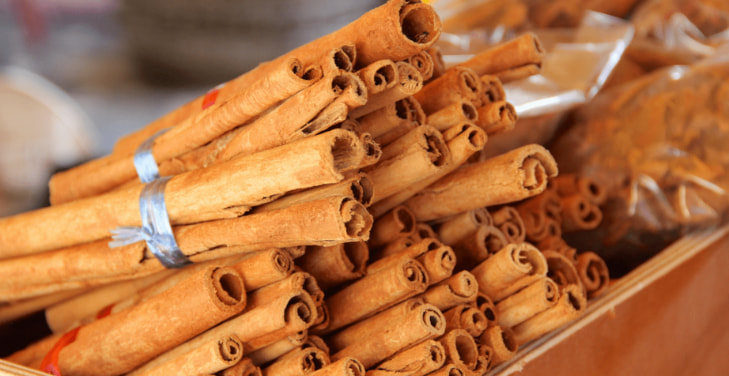
Ceylon cinnamon is a mild, aromatic spice prized for its purity and wellness uses.
What Is Ceylon Cinnamon?
Ceylon cinnamon represents a group of pure spices, highly valued in nutrition and cuisine for its mild aroma, delicate texture, and stable biological value. This type of cinnamon is associated with the concept of "true cinnamon" in food science and modern health literature.
Botanical Identity
Ceylon cinnamon, scientifically known as Cinnamomum verum, belongs to the Lauraceae family. Its bark is thin, naturally rolled into many layers, light yellowish-brown, and easily powdered. This characteristic reflects its slow growth process and precise manual harvesting techniques.
Why It Is Called "True Cinnamon"
The term "true cinnamon" stems from its historical origins and botanical authenticity. Ceylon cinnamon is used in traditional medicine, classic cuisine, and original herbal recipes in South Asia.
Role in Nutrition and Wellness
In nutrition, Ceylon cinnamon holds consistent value due to its natural essential oil content, polyphenols, and antioxidant compounds. These properties support the trend of using the spice as part of a long-term health-focused lifestyle.
Botanical Origin and Cultivation
The botanical origin of Ceylon cinnamon is linked to a stable tropical ecosystem and long-standing cultivation traditions. Soil, climate, and human intervention all contribute to shaping the unique biological qualities of this cinnamon.
Native Growing Regions
Ceylon cinnamon grows naturally in Sri Lanka and some areas of South Asia. Mineral-rich soil, high humidity, and consistent rainfall create ideal conditions for the cinnamon tree to develop thin bark rich in aromatic essential oils.
Climate and Soil Conditions
The tropical monsoon climate with moderate temperatures helps the tree maintain a continuous growth cycle. Loose, well-drained soil supports a healthy root system and the accumulation of active compounds in the bark.
Traditional Cultivation Practices
Cinnamon growers employ traditional cultivation methods and select the optimal harvesting time based on the tree's age. This process preserves the bark structure and natural aroma.
Harvesting and Processing
Cinnamon bark is carefully peeled, naturally dried, and rolled into thin layers. This processing method maintains its stability and long-term nutritional value.
Ceylon Cinnamon vs. Cassia Cinnamon
Ceylon cinnamon and cassia cinnamon represent two popular cinnamon varieties in food and nutrition. Each has its own botanical characteristics, sensory properties, and intended uses in daily life.
Sensory and Physical Characteristics
Ceylon cinnamon has a thin, tightly rolled, multi-layered bark, a light brown color, and a mild, sweet aroma. Cassia cinnamon has a thicker bark, a harder structure, a dark brown color, and a strong, warm aroma. These characteristics directly influence how it is prepared and perceived during use.
Chemical Profile and Culinary Applications
Ceylon cinnamon contains a high concentration of delicate essential oils, rich in polyphenols and natural antioxidants. Cassia cinnamon is known for its strong flavor, making it suitable for dishes that require a distinct cinnamon aroma. In modern nutrition, each type is selected according to specific health goals and culinary styles.
Flavor Profile and Aroma Characteristics
Ceylon cinnamon's flavor profile leaves a subtle mark on nutrition and culinary art. Its gentle aroma spreads, creating a naturally warm sensation and a pleasant experience with regular use.
Natural Sweetness
Ceylon cinnamon exhibits a delicate sweetness derived from plant oils and phenolic compounds. This flavor opens up a sense of balance and harmony, making it suitable for many beverage, dessert, and functional food recipes.
Soft Aroma Layers
The aroma of Ceylon cinnamon develops in multiple layers. The top notes are light and clean. The middle notes are warm and well-rounded. The base notes leave a relaxing, pleasant, and stable feeling.
Influence on Culinary Experience
The subtle flavor of Ceylon cinnamon allows it to blend naturally into dishes. This spice enhances sensory depth, supports overall flavor control, and creates a gentle impact on a health-focused diet.
Nutritional Components and Active Compounds
Ceylon cinnamon provides a stable nutritional foundation through its rich array of natural compounds. The bioavailability of this cinnamon attracts attention in the fields of functional nutrition and proactive health care.
Polyphenols and Antioxidants
Ceylon cinnamon contains many active polyphenols, including flavonoids and phenolic acids. These compounds support oxidative balance, helping maintain a healthy metabolic state and cellular stability.
Essential Oil Profile
Ceylon cinnamon essential oil is formed from cinnamaldehyde, eugenol, and linalool in a harmonious ratio. This combination creates a mild aroma and plays an important biological role in food and dietary supplements.
Micronutrients and Plant Compounds
Ceylon cinnamon provides manganese, calcium, and natural plant fiber. These micronutrients, combined with plant compounds, make this spice a comprehensive nutritional support component in a health-focused diet.
Potential Health Benefits
Ceylon cinnamon attracts attention in nutrition due to its close connection with the body's natural biological mechanisms. The use of this spice aligns with the trend toward proactive, long-term, balanced health care.
Digestive Support
The plant compounds in Ceylon cinnamon promote rhythmic digestion. Its warm aroma stimulates digestive enzymes and creates a pleasant feeling after meals.
Metabolic Balance
Polyphenols and natural essential oils participate in metabolic regulation. Ceylon cinnamon is often included in diets aimed at energy control and maintaining a stable circadian rhythm.
Antioxidant Protection
The antioxidant content supports the body's maintenance of healthy cellular states. These compounds help protect biological structures from environmental damage.
Daily Wellness Integration
Ceylon cinnamon is suitable for daily use. This spice is easy to incorporate into drinks and meals, laying the foundation for a lifestyle focused on holistic health.
Common Culinary Uses
Ceylon cinnamon plays a versatile role in cuisine thanks to its mild flavor, delicate texture, and ability to blend naturally. This spice is widely used in both traditional and modern recipes, especially in health-focused diets.
Beverages and Infusions
Ceylon cinnamon is often added to herbal teas, coffee, and warm beverages. Its subtle aroma enhances the flavor and makes the drinks more enjoyable.
Desserts and Baked Goods
In cakes and desserts, Ceylon cinnamon provides a natural sweetness. This spice helps balance flavors and creates subtle sensory depth.
Savory Dishes and Culinary Pairings
Ceylon cinnamon harmonizes well with savory dishes, soups, and sauces. This spice enhances the overall flavor, adding a warm and refined touch to everyday meals.
Forms Available on the Market
Ceylon cinnamon is available on the market in various forms, meeting the needs of modern culinary, nutritional, and health care. Each form has its own characteristics in terms of convenience, application, and value.
Cinnamon Sticks
Cinnamon sticks clearly show the characteristic thin, multi-layered structure. This product is suitable for making tea, slow cooking, and decorating dishes, while maintaining a stable aroma over time.
Ground Cinnamon Powder
Ground Cinnamon powder offers high convenience in daily cooking. The powder form easily blends into recipes for cakes, beverages, and functional foods, creating a consistent flavor.
Capsules and Extracts
Ceylon cinnamon in capsule and extract form serves the purpose of controlled nutritional supplementation. These products are often found in proactive health care regimens and modern lifestyles.
Safety, Dosage, and Daily Use
Ceylon cinnamon is suitable for long-term use in health-focused diets. This spice is highly bioavailable and easily integrated into daily routines.
General Consumption Guidance
Common usage amounts range from moderate to moderate in cooking and beverage preparation. Even distribution throughout the day helps maintain a mild and consistent flavor experience.
Suitability for Daily Intake
Ceylon cinnamon is suitable for regular use due to its delicate compound structure. This spice supports a balanced lifestyle when combined with a varied diet and moderate daily activities.
Use in Supplements and Wellness Routines
In dietary supplements, Ceylon cinnamon is often available as a standard powder or extract. This method of use offers convenience and clear dosage control in proactive health care.
Conclusion
Ceylon cinnamon demonstrates superior value due to its clear botanical origin, delicate flavor, and stable compound structure. This spice aligns with the nutritional trend emphasizing balance and sustainability.
In culinary and healthcare settings, Ceylon cinnamon plays a versatile, easily applicable role with rich biological depth. Regular use contributes to a lifestyle focused on harmony, simplicity, and proactive daily nutrition.
Frequently Asked Questions (FAQs)
-
What is Ceylon cinnamon, and why is it called true cinnamon?
Ceylon cinnamon comes from the bark of the Cinnamomum verum tree. Its thin layers, mild aroma, and long history give it the title of “true cinnamon,” reflecting its authentic botanical origin. -
How does Ceylon cinnamon differ from cassia cinnamon in everyday use?
Ceylon cinnamon has a softer, less pungent flavor than cassia. This makes it ideal for frequent use in foods and drinks that aim for subtle, balanced taste profiles. -
What dishes are commonly used with Ceylon cinnamon?
It is widely used in teas, coffee, pastries, desserts, and certain savory recipes. Its gentle aroma adds warmth while keeping overall flavors harmonious. -
What role does Ceylon cinnamon play in nutrition and a healthy lifestyle?
Ceylon cinnamon contains polyphenols and natural plant compounds that align well with a proactive approach to nutrition and long-term lifestyle balance. -
Can Ceylon cinnamon be used daily?
Yes, Ceylon cinnamon is well suited for daily culinary use. Regular inclusion supports a pleasant eating experience and complements a diverse, balanced diet.
