
Sodium benzoate is a subtle presence in many familiar everyday products. This preservative is used in food, beverages, and even pharmaceuticals, providing a stable foundation for the modern consumer supply chain.
Have you ever wondered why such a small compound is so widespread? Its role as a preservative, its biological mechanisms, and its health effects offer many thought-provoking perspectives.
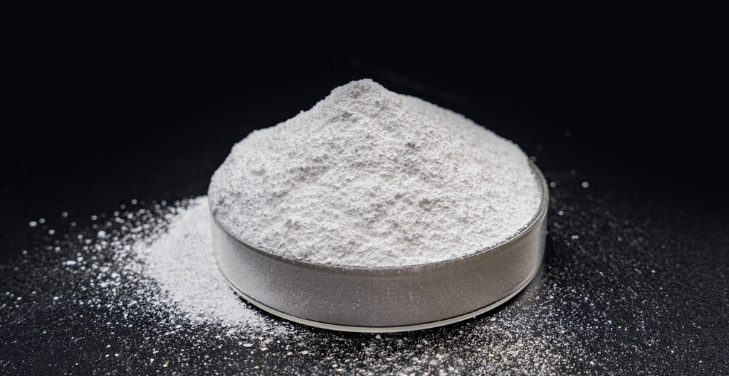
Sodium benzoate is a common preservative that prevents spoilage in foods and beverages.
What Is Sodium Benzoate?
Sodium benzoate is a widely used compound in modern food and pharmaceutical products. It frequently appears on product labels due to its effective preservative and stabilizing properties. Understanding the nature of sodium benzoate helps consumers correctly recognize its function and applications in daily life.
Chemical Definition
Sodium benzoate is the sodium salt of benzoic acid, with the chemical formula C₇H₅NaO₂. This compound exists as a white crystalline powder, is easily soluble in water, and is suitable for many different product systems.
Physical and Functional Properties
Sodium benzoate is highly effective in acidic environments. This property allows the preservative to maintain the stability of liquid foods, beverages, and processed products.
Industrial Classification
In the classification of food additives, sodium benzoate has the code E211. This symbol helps manufacturers and regulatory agencies clearly identify the compound's technical role in the global food supply chain.
Why Sodium Benzoate Is Used as a Preservative
Sodium benzoate plays a core role in modern food preservation systems. It helps products maintain stable quality throughout their shelf life. The food industry chooses sodium benzoate for its clear biological efficacy and versatile applications.
Action in Acidic Environments
Sodium benzoate exhibits optimal activity in acidic environments. Low pH conditions activate its ability to control microorganisms, thereby extending the shelf life of food and beverages.
Control of Microbial Growth
This compound directly affects the growth of bacteria, yeasts, and molds. This mechanism helps limit spoilage and preserve the product's sensory characteristics.
Stability in Processing
Sodium benzoate maintains high stability during heating, bottling, and storage. This property supports large-scale production with consistent quality.
Compatibility with Formulations
This preservative is easily integrated into a variety of formulations. Its good solubility makes sodium benzoate suitable for beverages, sauces, and liquid products.
Common Foods and Products Containing Sodium Benzoate
Sodium benzoate is widely used in many familiar products due to its effective preservative properties and ease of application. Consumers are often exposed to this compound through their daily diets and personal care products. Identifying common product groups helps to understand the scope of this preservative's use.
Beverages and Processed Foods
Sodium benzoate is widely used in carbonated soft drinks, bottled fruit juices, and canned teas. It is also present in sauces, ketchup, jams, and processed foods to maintain freshness and flavor.
Cosmetics and Personal Care Products
In cosmetics and personal care products, sodium benzoate helps protect formulas from microorganisms. Lotions, shampoos, and body washes often use this compound to maintain quality throughout their shelf life.
Pharmaceutical Applications
The pharmaceutical industry uses sodium benzoate in cough syrups and oral solutions. Its stability and high solubility make it suitable for liquid formulations.
How the Body Processes Sodium Benzoate
When sodium benzoate enters the body, the biological system processes it through a clear, organized cycle. This process occurs rapidly, helping the body maintain homeostasis and control the preservative's concentration after consumption.
Absorption and Metabolism
Sodium benzoate is absorbed through the digestive tract and quickly enters the bloodstream. In the liver, it conjugates with glycine to form hippuric acid. This metabolic mechanism is efficient and consistent with the physiological capacity of a healthy body.
Excretion Pathways
Hippuric acid is then transported to the kidneys and excreted in the urine. Excretion occurs continuously, helping to maintain stable concentrations in the body. This cycle of absorption, metabolism, and excretion reflects the body's biological adaptability to sodium benzoate in the daily diet.
Is Sodium Benzoate Safe for Consumption?
The safety of sodium benzoate is a major concern in the medical and nutritional fields. This preservative is evaluated based on toxicity data, exposure levels, and biological reactions in the human body. Current scientific conclusions reflect strict and consistent control.
Regulatory Approval
Sodium benzoate is approved for use by the U.S. Food and Drug Administration and the European Food Safety Authority. These agencies clearly define the scope of application and appropriate levels of use in food and beverages.
Acceptable Daily Intake
The daily intake limit is established based on long-term research. The World Health Organization provides ADI values to ensure public safety when consumed regularly.
Safety in Normal Diets
When used correctly, sodium benzoate is highly safe. The body processes and eliminates this compound efficiently, helping maintain physiological stability during a normal diet.
Potential Side Effects and Sensitivity
Sodium benzoate produces varying biological reactions depending on individual physiology and sensitivity levels. In a medical context, these reactions are considered specific physiological responses rather than universal phenomena. Discover the potential dangers of sodium benzoate and how it may impact your health.
Individual Sensitivity Responses
Some people exhibit sensitivity to sodium benzoate. Common manifestations include mild discomfort, transient physiological changes, and short-lived skin reactions. These responses reflect differences in individual metabolism.
Neurological and Behavioral Observations
A small group of subjects reported changes in alertness or mild stimulation. This is related to biochemical interactions in the nervous system and is influenced by the dose of exposure.
Allergic-Type Manifestations
In medical literature, sodium benzoate has been noted to be associated with allergic-like reactions in susceptible individuals. These signs are clear and easily recognizable shortly after exposure.
Sodium Benzoate and Children's Health
Children's health is always a central focus in food additive safety assessments. Sodium benzoate is under scrutiny due to frequent exposure among children through beverages and processed foods. Existing scientific data provides a clear insight into how this compound interacts with the developing body.
Exposure Patterns in Childhood
Children primarily ingest sodium benzoate from soft drinks, bottled fruit juices, and convenience foods. The high frequency of consumption in their daily diets creates a steady level of exposure. Children's bodies process this compound through physiological metabolic pathways similar to those of adults.
Research on Behavior and Attention
Several studies have focused on the link between sodium benzoate and behavior in children. Observations have noted changes in attention levels in the context of diets rich in the additive. These findings prompt experts to continue monitoring and updating nutritional guidelines for children.
Sodium Benzoate vs. Natural Preservatives
The discussion of sodium benzoate and natural preservatives reflects a trend toward selecting additives based on effectiveness, stability, and consumer perception. From a health perspective, each group of preservatives demonstrates its own value in protecting food and public health.
Functional Performance
Sodium benzoate provides consistent preservation in acidic environments. It maintains significant microbial control in beverages and processed foods. Natural preservatives, such as plant extracts, exhibit biological activity suitable for fresh produce.
Stability and Shelf Life
Sodium benzoate maintains high stability throughout production and storage. This characteristic supports long shelf life and consistent quality. Natural preservatives play a role in short-term product systems.
Consumer Perception
Consumers are increasingly concerned about the origin of ingredients. Sodium benzoate represents a tightly controlled technical solution, while the natural preservative offers a sense of familiarity and friendliness in modern nutritional trends.
Reducing Sodium Benzoate Intake in Daily Diets
Controlling sodium benzoate intake in daily diets reflects a proactive and conscious eating trend. From a health perspective, strategies to reduce additive exposure focus on sustainable food choices and consumption habits.
Reading Ingredient Labels
Consumers actively read ingredient labels to identify sodium benzoate or the symbol E211. This skill supports accurate purchasing decisions that align with individual nutritional goals.
Choosing Fresh and Minimally Processed Foods
Fresh, home-cooked, and minimally processed foods offer high nutritional value. This food group helps maintain a natural balance in daily diets.
Beverage Selection Habits
Prioritizing filtered water, herbal teas, and homemade beverages effectively reduces intake of additives. This habit lays the foundation for stable metabolic health.
Long-Term Dietary Awareness
Developing long-term nutritional awareness helps individuals maintain a selective diet. This approach strengthens the positive link between food and overall health.
Conclusion
Sodium benzoate plays a crucial role in modern food preservation systems. It helps maintain the safety, quality, and stability of many everyday consumer products.
From a medical perspective, sodium benzoate is efficiently processed by the body through well-established biological mechanisms. Its use within permitted limits aligns with international safety standards.
Proactive nutritional awareness helps consumers make informed choices. A balanced approach forms the foundation for long-term and sustainable health.
Frequently Asked Questions (FAQs)
- What is sodium benzoate, and what is it used for? – Sodium benzoate is a common preservative used in foods and beverages. It helps control microbial growth, extends shelf life, and maintains product quality during storage.
- Is sodium benzoate safe for health? – When used within approved limits, sodium benzoate is considered safe. The body processes it through normal metabolic pathways involving the liver and kidneys.
- Can children consume sodium benzoate? – Children may consume sodium benzoate through certain processed foods and drinks. Their bodies generally process it effectively, while research continues to observe potential long-term effects.
- What foods commonly contain sodium benzoate? – Sodium benzoate is often found in soft drinks, bottled juices, sauces, processed foods, and some medications to help maintain freshness and safety.
- How can you reduce sodium benzoate intake in your diet? – Choosing fresh, home-prepared meals, checking ingredient lists, and opting for natural beverages can help limit sodium benzoate consumption and support a balanced diet.
