
St. John's wort produces powerful biological changes that go far beyond those of a typical herbal remedy.
The plant's active compounds directly affect the nervous system, hormones, and drug metabolism. These effects range from mood and sleep to skin reactions and endocrine function.
Understanding side effects, drug interactions, and safety factors allows users to be more proactive in their health management. Accurate medical knowledge is crucial when approaching St. John's wort.
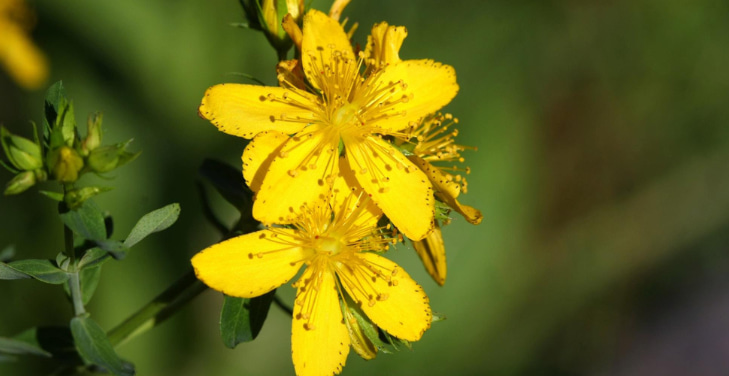
St John's wort can cause side effects and serious drug interactions affecting mood and medications.
What Is St. John's Wort and Why Is It Used
St. John's wort is a traditional herbal remedy with a long history of use in European medicine. The plant's bioactive compounds have a noticeable effect on the nervous system and emotions. In modern clinical practice, this herb is commonly found in products that support mental well-being and mood balance.
Botanical Origin and Traditional Background
St. John's wort is native to Europe and Western Asia and thrives in full sunlight. Folk medicine recognizes this herb as a natural remedy for sadness, mental stress, and emotional fatigue.
Common Therapeutic Uses Today
Today, St. John's wort is widely used to support the treatment of mild depression, improve mood, and enhance sleep quality. Many people choose this herb as a supplement to their mental health care.
Why do people choose herbal mood support
Users often prefer St. John's wort for its natural origin and its multifaceted effects on emotions, mental energy, and daily stress coping.
How St John's Wort Works in the Body
St John's wort directly impacts biological systems involved in emotions, cognition, and stress responses. The active compounds in this herb are deeply involved in neuroregulation and cellular metabolism, thereby producing a noticeable effect on mental state.
Effects on Neurotransmitter Activity
The active compounds hypericin and hyperforin help maintain balance among serotonin, dopamine, and norepinephrine in the brain. This process supports emotional stability, improves mental motivation, and maintains cognitive alertness.
Influence on Stress-Response Pathways
St John's wort affects the neuroendocrine axis, helping the body adapt effectively to psychological pressure. The stress response system becomes more flexible and regulated.
Impact on Liver Enzyme Activity
This herb activates liver enzymes involved in the metabolism of drugs and nutrients. This mechanism explains the far-reaching influence of St. John's wort on systemic physiology.
Systemic effects on mood regulation
The interplay among the nervous, endocrine, and metabolic systems underlies St. John's wort's comprehensive impact on mood and mental energy.
Most Common St. John's Wort Side Effects
St. John's wort produces noticeable physiological reactions upon entering the body, especially during the initial period of use. Side effects often appear early, reflecting how this herb simultaneously affects the digestive and nervous systems and overall energy levels.
Digestive and Gastrointestinal Responses
Many people report gastrointestinal discomfort, including nausea, bloating, and changes in bowel movements. These reactions are related to the strong biological activity of the herb's compounds on the digestive system.
Fatigue, Dizziness, and Physical Sensations
St. John's wort directly affects the central nervous system, leading to feelings of fatigue, mild dizziness, and decreased concentration. Some people experience dry mouth and changes in bodily sensations during daily activities.
These side effects reflect the positive interaction between the herbal remedy and the biological system, requiring careful monitoring during use.
Mood, Anxiety, and Sleep-Related Effects
St. John's wort profoundly affects emotional states and daily circadian rhythms. As its active ingredients impact the central nervous system, users often experience noticeable changes in mood, anxiety levels, and sleep quality.
Emotional Regulation and Mood Shifts
This herb promotes emotional regulation by modulating neurotransmitter activity. Some people experience increased emotional sensitivity and a more responsive reaction to their surroundings.
Anxiety-Related Responses
The biological activity of St. John's wort activates the stress response system. The body exhibits feelings of restlessness, increased mental energy, and prolonged alertness.
Sleep Pattern Alterations
St. John's wort directly affects the sleep-wake cycle. Users may notice changes in sleep onset time, shallower sleep, and earlier morning awakenings.
These effects reflect the powerful role of herbs in regulating mental state and sleep.
Photosensitivity and Skin Reactions
St. John's wort produces a noticeable skin reaction through photosensitivity. The active compounds accumulate in skin tissue and interact strongly with ultraviolet light, thereby altering the skin's response to both natural and artificial sunlight.
Increased Sensitivity to Sunlight
Hypericin promotes photosensitivity at the cellular level. Upon sun exposure, the skin exhibits redness, burning, and a stinging sensation more quickly than usual. This reaction is often more pronounced in exposed areas such as the face, neck, and hands.
Common Skin-Related Manifestations
Users of St. John's wort may experience mild rashes, itching, and surface irritation. Some cases may show temporary tanning and changes in pigmentation after short-term exposure to strong sunlight.
These skin reactions reflect the characteristic biological effects of St. John's wort on the skin's protective barrier and its photoregulatory mechanisms.
Serious Drug Interactions to Know About
St. John's wort strongly influences drug metabolism, leading to numerous clinically significant pharmacological interactions. These interactions directly affect treatment efficacy and blood drug concentrations.
Interaction with antidepressant medications
St. John's wort alters the activity of neurotransmitters. When used concurrently with antidepressants, it can cause excessive stimulation of the nervous system, leading to emotional disturbances and strong physiological reactions.
Effects of hormonal contraceptives
This herb promotes liver enzymes involved in hormone metabolism. This process reduces circulating hormone levels and directly affects the effectiveness of birth control.
Influence on blood thinners and heart drugs
St. John's wort affects the rate of metabolism of cardiovascular drugs and anticoagulants. Drug concentrations in the blood fluctuate, leading to changes in physiological effects.
Broad impact on prescription medications
The enzyme-inducing mechanism of St. John's wort causes it to interact with many different drug classes. Therefore, systemic therapeutic effects are profoundly affected and require close monitoring.
Hormonal and Reproductive Concerns
St. John's wort directly affects the endocrine system and reproductive function through its profound biochemical effects. The herb's active compounds regulate hormones, leading to significant changes in reproductive physiology in both men and women.
Hormonal Metabolism and Balance
St. John's wort activates liver enzymes involved in steroid hormone metabolism. This process alters circulating estrogen and progesterone levels, impacting circadian rhythms and hormonal stability throughout the cycle.
Effects on Contraceptive Effectiveness
The enzyme-inducing activity promotes the breakdown of contraceptive hormones in the body. This mechanism leads to decreased effectiveness of birth control and alters the physiological response of the female reproductive system.
Reproductive System Responses
In some individuals, St. John's wort can alter menstrual cycles, reproductive energy levels, and physiological sensations. These responses reflect the close relationship between herbal medicine and the endocrine-reproductive axis.
Neurological and Cognitive Side Effects
St. John's wort directly impacts the central nervous system, leading to noticeable changes in sensation, thinking, and information processing. These neurological responses result from the strong regulation of neurotransmitters and bioelectrical activity in the brain.
Headache and Sensory Responses
Many people experience headaches, dizziness, and increased sensitivity to sound or light. These manifestations reflect the widespread neural activation as the herb enters the cerebral circulation.
Cognitive Processing and Mental Clarity
St. John's wort affects the speed of thought, concentration, and information processing. Some people experience rapid thinking, continuous ideas, and increased alertness.
Nervous System Stimulation
The bioactive compounds stimulate neural activity, creating feelings of restlessness, nervous tension, and a stronger bodily response to external stimuli.
Coordination and alertness changes
Changes in neural signals affect motor coordination and alertness, especially during activities that require sustained concentration.
Long-Term Use and High-Dose Risks
Long-term or high-dose use of St. John's wort causes cumulative biological changes in the body. Metabolic organs and the nervous system are continuously affected, thereby increasing the risk of systemic reactions and prolonged physiological fluctuations.
Cumulative effects on liver function
St. John's wort strongly activates liver enzymes responsible for the metabolism of drugs and hormones. Prolonged activity disrupts circadian metabolic rhythms, placing physiological stress on the liver and detoxification system.
Neurochemical imbalance over time
Continuous effects on serotonin, dopamine, and norepinephrine alter the neurochemical balance. The body exhibits changes in emotions, mental energy levels, and neuroadaptability over time.
Dose-related systemic responses
High doses induce widespread physiological responses, including persistent fatigue, marked photosensitivity, and changes in endocrine function. These manifestations reflect the body's biological limits when receiving herbal remedies at high intensity.
Who Should Avoid St. John's Wort
St. John's wort has a strong biological effect, so certain groups need to be especially cautious when using this herb. Physiological characteristics, medical conditions, and underlying medications play a crucial role in determining safety.
Individuals on long-term medications
Those using chronic medications are directly affected by St. John's wort's enzyme-inducing mechanisms. Treatment effectiveness changes significantly as the herb affects drug metabolism.
People with mental health conditions
St. John's wort profoundly affects the nervous system. Individuals with a history of mental disorders, emotional disturbances, or significant mood swings should be carefully evaluated before use.
Pregnant and breastfeeding women
This herb is involved in hormone and nervous system regulation. Pregnant or breastfeeding women should seriously consider the potential effects on maternal and infant physiology.
Patients with liver sensitivity
Individuals with sensitive liver function are susceptible to the cumulative effects of St. John's wort's potent metabolic activity.
Conclusion
St. John's wort exerts powerful biological effects on the nervous, endocrine, and metabolic systems. This herb has a profound impact on mood, skin, hormones, and neurological function when used regularly.
Understanding side effects, drug interactions, and the appropriate target population enhances safety. An informed approach and close medical monitoring support the responsible and proactive use of St. John's wort in healthcare.
Frequently Asked Questions (FAQs)
- Does St. John's wort cause common side effects? – St. John’s wort may lead to fatigue, mild dizziness, dry mouth, and digestive changes, reflecting its active interaction with the nervous system and metabolism.
- How does St. John's wort affect other medications I'm taking? – By activating liver enzymes that metabolize drugs, St. John’s wort can change blood drug levels and reduce or alter treatment effectiveness.
- Does St. John's wort affect mood and sleep? – Its active ingredients influence neurotransmitters, which may improve mood while also altering alertness and sleep patterns, including the timing of sleep onset.
- What are the risks of long-term use of St. John's wort? – Prolonged use may stress the liver, nervous system, and endocrine balance, leading to cumulative physiological changes as the body continuously adapts.
- Who needs to be cautious when using St. John's wort? – Individuals on prescription medications, pregnant women, and those with liver or mental health conditions should seek professional evaluation due to increased sensitivity and interaction risks.
