
Serrapeptase has emerged as a biological agent that raises many questions in modern health. This enzyme operates silently at the molecular level, where proteins are processed and restructured through sophisticated mechanisms.
Behind serrapeptase lies a mysterious scientific story. Its microbial origins, its systemic effects, and how the enzyme interacts with the biological environment create a special fascination for medical researchers and those interested in in-depth health studies.
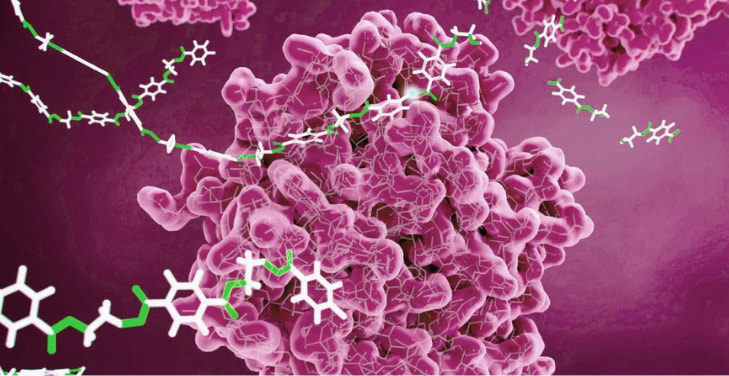
Serrapeptase is a proteolytic enzyme studied for systemic effects on proteins and inflammation.
What Is Serrapeptase?
Serrapeptase is a biological enzyme that has attracted significant attention in modern medicine and enzyme science. This substance is primarily studied for its ability to interact directly with proteins in the human body systematically and selectively. In complementary medicine, serrapeptase is often described as a highly bioactive enzyme that acts beyond the scope of normal digestion.
Biochemical Identity
Serrapeptase is a proteolytic enzyme, meaning it breaks down protein structures into smaller units. The molecular structure of this enzyme allows it to recognize and act on specific proteins in the biological environment.
Natural Enzyme Source
This enzyme is derived from the bacterium Serratia, a microorganism that has been studied in biological research for decades. Modern purification processes ensure serrapeptase achieves high purity and stability in supplement forms.
Systemic Enzyme Concept
Serrapeptase is considered a systemic enzyme that can function when properly formulated. This characteristic underlies many research directions on the role of enzymes in biological balance and protein regulation.
Origin and Discovery Background
The origin of serrapeptase is linked to fundamental scientific observations in microbiology. This enzyme emerged from early studies on the relationship between bacteria and natural protein degradation, opening a new approach to applied enzyme science.
Bacterial Origin
Serrapeptase was discovered in the bacterium Serratia marcescens, a strain with strong enzyme-secreting capabilities. The enzyme activity of this bacterium attracted attention due to its specificity and high biological efficiency.
Early Scientific Observation
Scientists noted the role of serrapeptase in the breakdown of protein tissue in biological environments. These observations laid the foundation for the isolation and laboratory-scale study of the enzyme.
Enzyme Isolation Process
The technique for isolating serrapeptase has been gradually perfected through many stages of biotechnology development. This process helps maintain the enzyme's stable structure and consistent biological activity.
Transition to Medical Interest
Serrapeptase has rapidly attracted the attention of the medical community due to its potential applications in systemic enzyme research. This has spurred further studies on the enzyme's mechanisms and biological characteristics.
Classification as a Proteolytic Enzyme
In the biological enzyme classification system, serrapeptase is clearly defined based on its function and molecular mechanism of action. This classification clarifies how the enzyme interacts with proteins in the biological environment and why it is of interest in systemic enzyme research.
Protease Enzyme Group
Serrapeptase belongs to the protease group, which are enzymes that catalyze the cleavage of peptide bonds in protein chains. This group of enzymes plays a central role in many biological activities related to protein metabolism and restructuring.
Functional Enzyme Characteristics
Functionally, serrapeptase exhibits highly selective proteolytic activity. Its conformation allows it to recognize specific protein structures and participate in protein regulation within complex biological systems.
The classification of serrapeptase as a proteolytic enzyme provides a solid scientific foundation for further research. This approach helps professionals better understand the role of enzymes in applied biology.
How Serrapeptase Works at a Biological Level
At the biological level, serrapeptase exhibits enzymatic activity through subtle and clearly directed molecular interactions. This enzyme directly participates in protein processing in the endogenous environment, contributing to shaping how the body manages and restructures protein components over time.
Protein Interaction Mechanism
Serrapeptase binds to target protein chains through specific active sites. This binding activates peptide bond cleavage, altering the protein structure to make it easier to process at the cellular level.
Systemic Enzyme Activity
When properly formulated, serrapeptase acts as a systemic enzyme. It travels through the circulatory system and reaches various tissues, thereby participating in systemic biological processes.
Cellular-Level Processing
At the cellular level, serrapeptase supports the breakdown and reorganization of proteins in the extracellular space. This activity contributes to maintaining a flexible biological environment, facilitating the smooth and efficient functioning of physiological processes.
Common Uses of Serrapeptase
In modern supplemental practice, serrapeptase is widely used due to its systemic biological properties. Common uses focus on how this enzyme is introduced into the body and on its role in research and general healthcare contexts.
Dietary Supplement Applications
Serrapeptase is often used as an enzyme supplement. Users approach this enzyme as part of a biological support strategy for protein homeostasis.
Research and Experimental Contexts
In the scientific field, serrapeptase is used as a research tool for proteolytic enzymes. Experimental models exploit their protein-digesting properties to observe biological responses at multiple levels.
Systemic Enzyme Use
Serrapeptase is classified as a systemic enzyme, meaning it acts beyond the digestive system. This usage reflects an interest in enzyme activity in the circulation and peripheral tissues.
Integrated Health Practices
In integrated medicine, serrapeptase is included in supportive regimens as a specific enzyme component. This approach emphasizes the role of enzymes in overall biological regulation.
Potential Benefits Under Scientific Study
In the context of scientific research, serrapeptase is considered a highly promising enzyme with many expanding biological research directions. The potential benefits of this enzyme are approached at a conceptual level, focusing on its mechanism and biological role rather than specific clinical applications.
Inflammation-Related Research
Many scientific studies examine the relationship between serrapeptase and biological processes involved in inflammatory responses. This enzyme is being investigated for its ability to interact with proteins involved in inflammatory pathways at the molecular level.
Protein Regulation Pathways
Serrapeptase has attracted attention in studies of protein regulation. The enzyme's selective degradation activity opens up hypotheses about its role in maintaining protein balance in complex biological environments.
Tissue Remodeling Interest
Some research focuses on the potential role of serrapeptase in tissue remodeling. This approach views the enzyme as a factor influencing protein kinetics in the extracellular space.
Systemic Biological Effects
Scientists continue to explore the systemic effects of serrapeptase. This approach places the enzyme within the broader context of physiology and overall biological regulation.
Possible Side Effects and Tolerability
During serrapeptase use, the body's tolerance becomes a particular concern for professionals. The biological reactions associated with this enzyme often reflect how the body receives and processes a highly bioactive protein in its endogenous environment.
Gastrointestinal Response
Some users report gastrointestinal side effects when taking serrapeptase. These manifestations reflect the physiological adaptation of the digestive system to the systemic proteolytic enzyme.
Individual Sensitivity Factors
Individual biological characteristics influence tolerance to serrapeptase. Constitution, endogenous enzyme status, and the body's protein environment contribute to shaping the overall biological response.
Systemic Reaction Awareness
At the systemic level, serrapeptase can produce widespread biological reactions. These responses provide crucial data for assessing the safety and tolerability of the enzyme in the context of long-term use.
Monitoring these responses helps strengthen the scientific understanding of serrapeptase tolerance.
Drug Interactions and Safety Precautions
In the context of serrapeptase use, drug interactions and safety measures play a central role in medical evaluation. This enzyme is involved in systemic biological processes, so its combination with other pharmaceuticals always requires careful scientific consideration.
Interaction with Pharmacological Agents
Serrapeptase can affect the body's protein environment, thereby indirectly impacting how some drugs exert their biological activity. The simultaneous presence of the enzyme and the pharmaceutical agent produces noticeable biological changes in circulation and peripheral tissues.
Population-Specific Safety Considerations
Specific groups, such as those undergoing medical treatment, pregnant women, or individuals with special physiological conditions, require careful consideration when using serrapeptase. Professional consultation helps ensure appropriateness and safety in each specific case.
A proactive and controlled approach optimizes the safety of serrapeptase use.
Dosage Forms and Supplement Characteristics
In the field of enzyme supplementation, serrapeptase is developed in various formulations to optimize absorption and maintain biological activity. The characteristics of each formulation reflect how the enzyme is designed to function effectively in a complex physiological environment.
Capsule-Based Formulation
Serrapeptase is often available in capsule form, allowing for dose control and protecting the enzyme structure during use. This formulation offers convenience and high stability.
Enteric Coating Technology
Many serrapeptase products utilize enteric coatings. This technology helps the enzyme pass through the stomach and into the small intestine, where absorption is more efficient.
Enzyme Potency Indicators
The potency of serrapeptase is expressed in terms of specific enzyme units. This parameter helps users and professionals assess the product's biological activity.
Supplement Quality Standards
The quality of serrapeptase depends on the manufacturing process, purification, and control of raw materials. High manufacturing standards help ensure the consistency and reliability of the enzyme product.
Conclusion
Serrapeptase represents a biological enzyme with a clear scientific basis and a specific mechanism of action. Its microbial origin, proteolytic classification, and ability to participate in protein processing make it a notable subject in modern biomedical research.
The use of serrapeptase requires an understanding of formulation, tolerability, and safety. A knowledge-based approach optimizes the enzyme's scientific value and supports proactive, targeted, and context-appropriate decisions regarding its use.
Discover the potential dangers of serrapeptase and what to watch out for before using it.
Frequently Asked Questions (FAQs)
-
What is serrapeptase, and what group does it belong to?
Serrapeptase is a proteolytic enzyme of microbial origin. It belongs to the protease group and is studied for its ability to break down proteins and influence systemic biological processes. -
In what contexts is serrapeptase commonly used?
Serrapeptase is commonly found in dietary supplements and enzyme-related research. It is used as a biological tool to explore protein regulation and non-digestive enzyme activity. -
How does serrapeptase work?
Serrapeptase binds to protein chains and catalyzes peptide bond cleavage. This action modifies protein structures in the extracellular space and supports regulatory biological functions. -
Does serrapeptase cause any notable biological reactions?
Some users experience biological responses that reflect individual tolerance. These reactions help assess how the enzyme behaves and is absorbed in the body. -
What factors should be considered when using serrapeptase?
Dosage, formulation, product quality, and personal health conditions are key considerations. Professional guidance helps ensure responsible and appropriate enzyme use.
