
The liver plays a central role in all of a dog's life processes, from nutrient metabolism to toxin elimination. When the liver is under stress, the entire body's biological systems are immediately and profoundly affected.
Milk thistle has long been considered an herb associated with liver health, leading to conflicting opinions in pet care. Scientific evidence shows that the active ingredient silymarin has clear biological value and is increasingly used in modern veterinary nutrition.
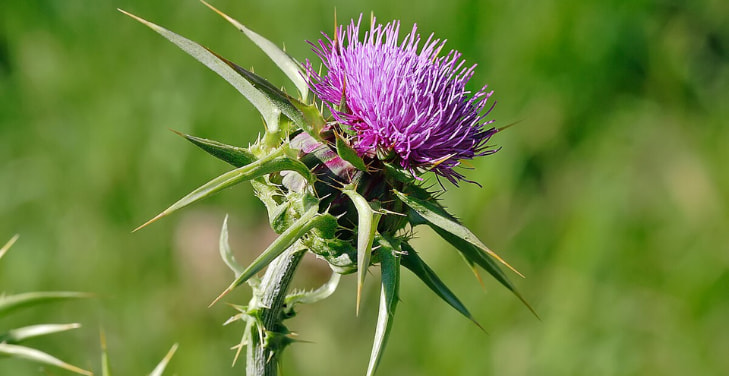
Milk thistle may support canine liver health when used carefully and responsibly.
What Is Milk Thistle?
Milk thistle is a prominent medicinal herb in functional nutrition, widely used for liver health in humans and animals. This plant possesses high biological value due to its ability to support cell protection, maintain metabolic function, and enhance endogenous immunity. In veterinary nutrition, milk thistle is considered a scientifically sound supplementary solution.
Botanical Overview
Milk thistle, scientifically known as Silybum marianum, belongs to the Asteraceae family. It thrives in the Mediterranean region, with green leaves edged in white and characteristic purple flowers. The seeds are the most commonly used part in supplement preparations.
Active Compound: Silymarin
Silymarin is a highly bioactive flavonolignan complex. This compound promotes liver cell protection, enhances antioxidant capacity, and supports liver tissue regeneration.
Why It Is Used in Pets
Milk thistle is used in pets to support stable liver function, enhance toxin processing, and maintain overall metabolic balance.
Why Milk Thistle Is Used for Dogs
In modern veterinary nutrition, liver support solutions for dogs are increasingly considered part of a proactive healthcare strategy. Supplementing with highly bioactive herbs helps dogs maintain metabolic balance, enhance physiological adaptability, and lay a foundation for long-term health. The presence of milk thistle in the supplement reflects a science-based approach and practical effectiveness.
Liver Detox Support
Liver function is optimized through mechanisms that support natural detoxification and regulate endogenous metabolism. The compound silymarin helps strengthen liver cell structure, promote the processing of metabolic products, and maintain stable biological function.
Antioxidant and Cellular Protection
The powerful antioxidant properties help liver cells maintain a stable state in the face of biological stressors. This cellular-level protection supports tissue repair, enhances the innate immune response, and improves overall metabolic health in dogs.
Milk Thistle for Canine Liver Conditions
In canine liver care, supporting the proper biological mechanisms helps the body maintain stable, sustainable function over time. Liver-related conditions are often linked to metabolism, detoxification, and homeostasis. The application of milk thistle provides a comprehensive nutritional foundation to support liver function and is suitable for various health scenarios in dogs.
Elevated Liver Enzymes
Elevated liver enzymes reflect ongoing metabolic stress in liver cells. Silymarin promotes cell membrane stability, supports enzyme function, and maintains optimal liver physiology.
Toxin Exposure Support
When the body is exposed to toxins from the environment, food, or medication, the liver plays a central role in biological processing. The active ingredients in milk thistle enhance the ability to neutralize and eliminate metabolic stress compounds.
Chronic Liver Stress Management
Prolonged liver stress impairs tissue regeneration. Silymarin's cell-protective mechanism supports liver structural recovery and maintains stable physiological adaptation.
Cellular Recovery Enhancement
Liver cell regeneration is promoted through antioxidant activity and biological anti-inflammatory regulation, helping the liver maintain its function over time.
Additional Potential Benefits for Dogs
Besides its role in supporting liver function, milk thistle also affects many other functional systems in the dog's body. Supplementing with this herb contributes to strengthening overall health, enhancing physiological adaptability, and supporting the maintenance of stable homeostasis during growth and aging.
Digestive Health Support
The digestive system benefits from its ability to regulate bile secretion and support enzyme activity. Nutrient absorption becomes more efficient while maintaining a harmonious biological environment in the gut, facilitating stable energy metabolism.
Inflammation Balance
The biological activity of silymarin contributes to regulating inflammatory responses at the cellular level. This mechanism helps soft tissues maintain flexibility, supporting mobility and enhancing physiological endurance over time.
Overall Metabolic Wellness
Metabolism is optimized through the coordinated efforts of the liver, digestive system, and immune system. A stable metabolic foundation helps the dog maintain energy, a balanced physique, and long-term biological health.
Proper Dosage of Milk Thistle for Dogs
Determining the appropriate dosage is central to the effectiveness of nutritional supplementation for dogs. The correct dosage ensures optimal absorption of the bioactive compounds, while maintaining metabolic stability and supporting sustainable liver function. A veterinary-based dosing approach provides a foundation for long-term safety and effectiveness.
Weight-Based Dosing Guidelines
Milk thistle dosages are adjusted according to weight to ensure physiological compatibility. Small, medium, and large dogs require different dosages to meet their individual metabolic needs, allowing silymarin to exert its bioactive effects in a balanced manner.
Form and Frequency Considerations
Standardized extracts generally offer high absorption rates, while herbal powders are suitable for gentle daily supplementation. Regular use helps maintain stable concentrations of bioactive compounds, supporting the liver's adaptation and efficient functioning in line with its natural circadian rhythm.
How to Give Milk Thistle to Dogs
The appropriate method of administration directly determines the absorption and bioavailability of milk thistle in dogs. Choosing a flexible form of supplementation helps dogs receive nutrients naturally, maintain stable eating habits, and support efficient liver function in line with their daily physiological rhythm.
Capsules and Tablets
Capsules and tablets provide precise dosages and are convenient for dogs accustomed to supplements. This form helps maintain a consistent level of silymarin in the body.
Liquid Extracts
Liquid forms facilitate rapid absorption and easy dose adjustment. The active ingredient dissolves well, allowing the body to effectively absorb silymarin directly from the upper digestive tract.
Mixing with Food
Mixing with daily food helps dogs receive milk thistle more naturally. This method helps maintain consistency and reduces stress during supplementation.
Consistency and Timing
Consistency in timing helps synchronize with your circadian rhythm. A consistent supplementation routine supports optimal long-term liver health.
Safety, Side Effects, and Risks
Safety is always a core factor when supplementing a dog's nutrition as part of a long-term health care regimen. Scientifically guided use of milk thistle helps the dog's body absorb the active ingredients harmoniously, while maintaining physiological stability and sustainable metabolic adaptation over time.
Digestive Response
The digestive system reacts flexibly to bioactive herbal compounds. Some dogs may experience slight changes in bowel movements or digestive sensations at the start of supplementation, reflecting the body's natural adaptation process.
Allergic Sensitivity
Individual physiology determines the level of biological response. Dogs with high sensitivity to plants in the Asteraceae family may sometimes exhibit characteristic physiological reactions, highlighting the importance of close monitoring during the initial stages of use.
Quality and Purity Considerations
Product quality directly impacts safety. High-quality milk thistle, with its traceable origin and clearly defined active ingredient content, helps reduce the risk of accumulation and effectively supports overall health care for dogs.
When to Consult a Veterinarian
The involvement of a veterinarian is crucial to the care of a dog's liver health. Professional consultation helps personalize supplementation strategies, ensuring physiological suitability and optimizing nutritional effectiveness according to each stage of development and specific health conditions.
Pre-Existing Health Conditions
Dogs with underlying liver, kidney, or metabolic disorders require a comprehensive assessment before supplementing with milk thistle. The veterinarian provides guidance based on the clinical record, balancing supportive needs with the body's biological adaptability.
Medication Interactions and Long-Term Plans
When dogs are on medication or require long-term supplementation, the role of the veterinarian becomes even more important. Developing a suitable treatment plan helps synchronize nutrition, treatment, and preventive care, contributing to stable, sustainable health.
Conclusion
Milk thistle offers outstanding nutritional value in a liver care strategy for dogs. The bioactive compounds from this herb support cell protection, promote metabolic balance, and enhance overall physiological adaptability.
Using the correct dosage, timing, and professional guidance optimizes long-term effectiveness. The combination of scientific nutrition and veterinary advice provides a solid foundation for the dog's long-term health.
Frequently Asked Questions (FAQs)
- Is Milk Thistle suitable for all dog breeds? – Milk thistle can be used for many dog breeds and ages when administered properly. Dosage should be adjusted based on weight, physical condition, and liver health to achieve the best results.
- How does Milk Thistle support a dog's liver? – The active compound silymarin helps protect liver cells, boosts antioxidant activity, and supports tissue repair. This allows the liver to function efficiently and adapt to long-term physiological demands.
- How long does it take to see results from Milk Thistle? – Improvements tend to appear gradually with consistent use. The timeline depends on absorption, baseline liver condition, and overall diet, forming a foundation for sustained liver health.
- Can Milk Thistle be used in conjunction with veterinary medications? – Yes, but only with veterinary guidance. A veterinarian can help align milk thistle supplementation with ongoing treatments to ensure safety and effectiveness.
- Is long-term milk thistle supplementation advisable for dogs? – Long-term use may be beneficial when carefully managed. Proper dosing and high-quality products help maintain stable liver function, support general health, and improve adaptability over time.
